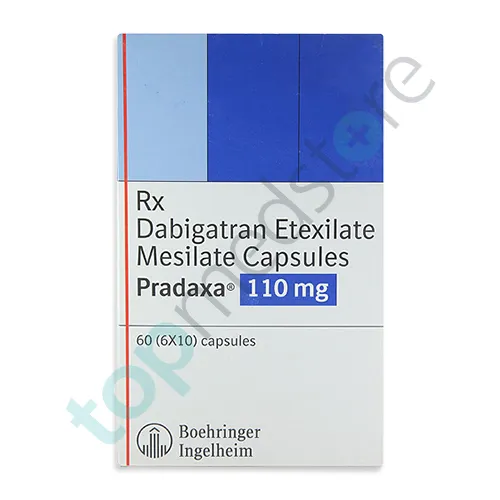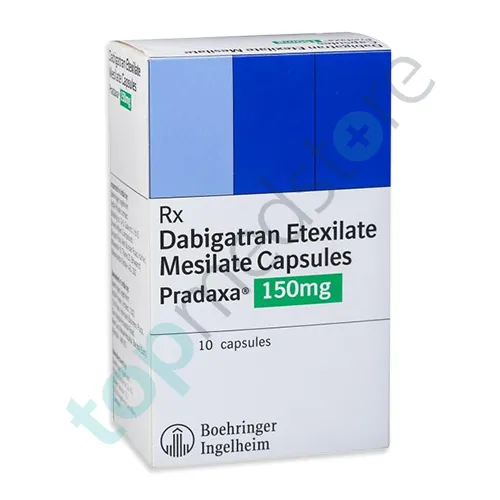
Dabigatran Etexilate Mesilate 150mg
$119.40 – $391.20
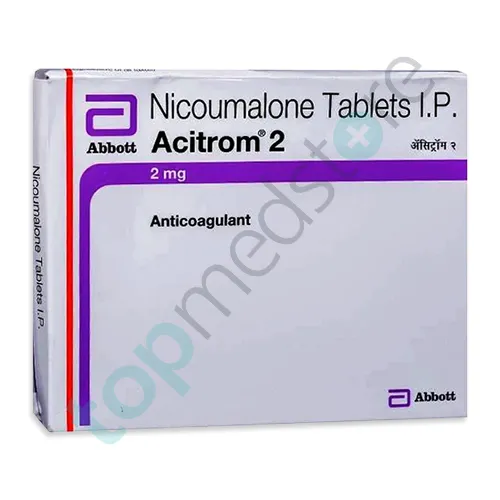
| Product name | Nicoumalone 2mg |
|---|---|
| Active Ingredient | Nicoumalone |
| Dosage | 2mg |
| Drug Type | Tablets |
| Indication | Blood Clot Prevention |
| Manufacturer | Abbott |
Total $66.00
Nicoumalone 2mg tablet is a prescription anticoagulant (blood thinner) that helps prevent harmful blood clots (thrombosis). It contains acenocoumarol, a medicine that reduces the blood’s ability to clot by affecting vitamin K–dependent clotting factors.
Doctors use this medicine in conditions where blood clots can block blood flow. These clots may lead to serious problems such as deep vein thrombosis (DVT), pulmonary embolism (PE), stroke, or heart complications.
Clots can form in the legs, lungs, or heart. Patients may notice leg pain, swelling, warmth, sudden breathlessness, chest pain, or weakness on one side of the body.
A cardiologist or physician may prescribe Nicoumalone 2mg tablets after checking clotting risk and blood test results like INR (International Normalized Ratio). The 2mg strength helps fine-tune dosing based on patient response.
This medicine supports anticoagulation therapy, clot prevention, and stroke risk reduction.
Doctors prescribe Nicoumalone 2mg tablets to prevent and treat blood clot–related conditions.
It is commonly used for deep vein thrombosis (DVT), where clots form in the legs, and pulmonary embolism (PE), where clots travel to the lungs and affect breathing.
Doctors also use it to reduce the risk of stroke in patients with atrial fibrillation, a condition where an irregular heartbeat increases the chance of clot formation.
It is often prescribed after heart valve replacement surgery or in certain heart conditions where long-term anticoagulation is needed.
Patients at risk may feel leg swelling, pain, chest discomfort, shortness of breath, or sudden fatigue. This medicine helps reduce these risks and improves blood flow.
Overall, Nicoumalone 2mg supports clot prevention, better circulation, and cardiovascular protection.
Nicoumalone 2mg works by blocking the action of vitamin K, which is essential for producing clotting factors in the liver.
It reduces the levels of clotting factors II, VII, IX, and X, which are responsible for forming blood clots.
When these clotting factors decrease, the blood takes longer to clot. This lowers the risk of dangerous clot formation inside blood vessels.
This action helps prevent blockages in veins and arteries and reduces complications like stroke and pulmonary embolism.
In simple words, this medicine slows down the clotting process and keeps blood flowing smoothly.
Nicoumalone 2mg tablet may cause side effects due to its blood-thinning action.
The most common side effect is increased risk of bleeding. Patients may notice easy bruising, nosebleeds, or bleeding gums.
Some may experience prolonged bleeding from cuts, blood in urine or stool, or heavier menstrual bleeding.
Other possible side effects include nausea, mild stomach discomfort, or skin rash.
Rare but serious side effects include internal bleeding, severe weakness, dizziness, or black/tarry stools.
Patients should contact a doctor immediately if they notice unusual bleeding, severe headache, or sudden weakness.
Doctors advise using Nicoumalone 2mg under strict medical supervision.
Patients should take the medicine at the same time every day and should not skip doses.
Regular INR monitoring is essential to keep blood clotting within a safe range.
Patients should maintain a consistent intake of vitamin K–rich foods such as green leafy vegetables. Sudden changes in diet can affect how the medicine works.
Patients should inform their doctor about all medicines, including painkillers and antibiotics, to avoid drug interactions.
Alcohol should be limited, as it can increase the risk of bleeding.
Patients should inform doctors or dentists before any surgery or dental procedure.
Always purchase Nicoumalone 2mg tablets from trusted pharmacy sources to ensure quality, safety, and correct dosage.
This content is for educational purposes only. Nicoumalone 2mg tablet should be used only under the supervision of a qualified cardiologist or physician, with regular monitoring of blood clotting levels.
$119.40 – $391.20
$234.00 – $765.60
$21.60 – $69.60
$27.00 – $88.80