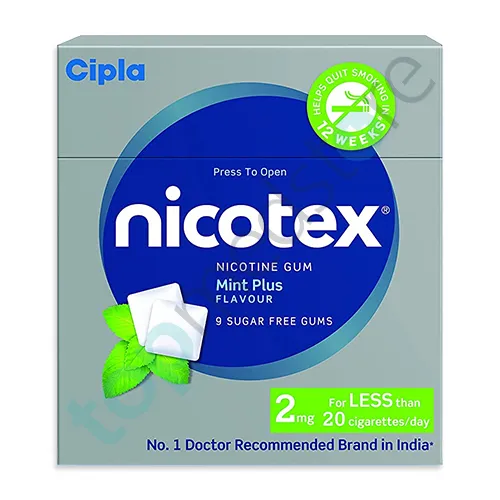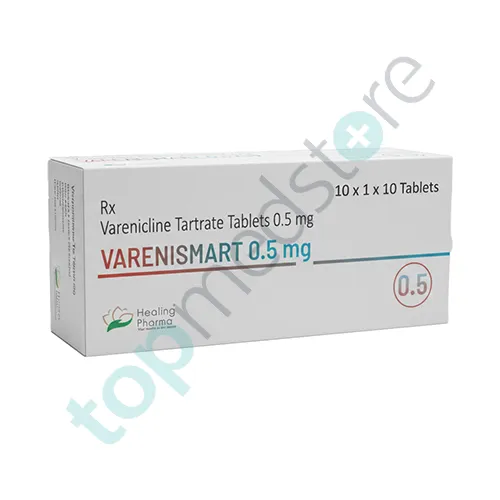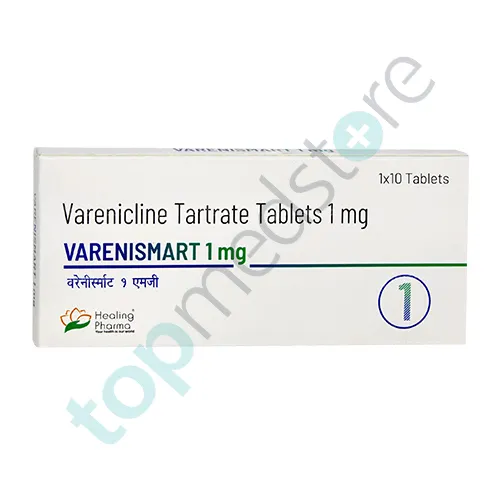
Nicotine Polacrilex 4mg
$22.00 – $72.00
Nicotine is not available to order.
Browse Mental Health & Addiction for medicines we stock.
Nicotine is a chemical found naturally in tobacco plants. It is mainly linked to cigarettes, cigars, chewing tobacco, and vaping products. Many people know nicotine because it causes addiction, which means the body and brain start depending on it regularly. However, nicotine is also used in Nicotine Replacement Therapy (NRT) products. These products help people slowly stop smoking.
Nicotine products come in different forms such as nicotine gum, nicotine patches, nicotine lozenges, nicotine nasal sprays, and nicotine inhalers. Doctors often recommend these products during a smoking cessation plan. Smoking cessation means quitting smoking safely and gradually.
When used correctly, nicotine replacement products may help reduce cigarette cravings and withdrawal symptoms. Withdrawal symptoms are uncomfortable feelings that happen when a person stops smoking. These symptoms may include irritability, anxiety, restlessness, poor focus, and strong urges to smoke.
Although nicotine itself is less harmful than cigarette smoke, it still affects the body. Cigarette smoke contains many dangerous chemicals that damage the lungs, heart, and blood vessels. Nicotine mainly acts on the brain and nervous system. Because of this, healthcare providers recommend using nicotine carefully and only as directed.
Nicotine works by affecting certain receptors in the brain called nicotinic receptors. Receptors are small areas in the body that receive signals from chemicals. When nicotine reaches the brain, it triggers the release of dopamine. Dopamine is a brain chemical linked to pleasure, reward, and mood.
This effect makes smoking feel relaxing or satisfying for some people. Over time, the brain becomes used to nicotine. The body then starts asking for more nicotine regularly. This process leads to tobacco dependence.
Nicotine replacement therapy products provide controlled amounts of nicotine without the harmful smoke from cigarettes. This helps reduce withdrawal symptoms while a person slowly lowers nicotine use. It can make quitting smoking easier for many adults.
Nicotine may also increase heart rate and blood pressure for a short time. This happens because it stimulates the nervous system. The nervous system controls important body functions such as heartbeat and breathing.
Healthcare professionals usually suggest combining nicotine replacement products with counseling or behavioral therapy. Behavioral therapy helps people understand smoking triggers and build healthier habits.
Nicotine is mainly used to help adults stop smoking or reduce tobacco use. It is commonly part of smoking cessation treatment programs. Many doctors recommend nicotine replacement therapy because it may improve the chances of quitting successfully.
Nicotine gum helps control sudden cigarette cravings. Some people use it during stressful situations where they normally smoke. Nicotine patches slowly release nicotine through the skin during the day. This helps provide steady craving control.
Nicotine lozenges dissolve slowly in the mouth and help reduce the urge to smoke. Nicotine inhalers and sprays may provide faster craving relief in certain cases. The right product depends on the person’s smoking habits, health condition, and doctor’s advice.
Nicotine replacement therapy may help people who smoke cigarettes, cigars, or use smokeless tobacco products. It may also help reduce symptoms linked to nicotine withdrawal. Common withdrawal symptoms include mood swings, trouble sleeping, frustration, and difficulty concentrating.
Some smoking cessation programs use a combination of nicotine patch therapy with short-acting nicotine products like gum or lozenges. This approach may help heavy smokers manage strong cravings more effectively.
Doctors may advise caution in people with heart disease, high blood pressure, pregnancy, or certain medical conditions. Pregnant women should only use nicotine products under medical supervision because nicotine may affect the unborn baby.
Nicotine enters the bloodstream and quickly travels to the brain. It attaches to nicotinic acetylcholine receptors. These receptors normally respond to a natural chemical called acetylcholine, which helps nerve cells communicate.
When nicotine activates these receptors, the brain releases dopamine and other chemicals. This creates temporary feelings of pleasure, relaxation, alertness, or reduced stress. Because the effect happens quickly, the brain may start depending on nicotine regularly.
Nicotine replacement products give smaller and safer nicotine doses compared to cigarettes. They help reduce cravings without exposing the body to harmful tar and toxic gases found in tobacco smoke.
Over time, doctors usually reduce the nicotine dose step by step. This gradual reduction helps the body adjust slowly. It also lowers the risk of severe withdrawal symptoms.
People should follow dosing instructions carefully. Using too much nicotine may cause side effects such as nausea, dizziness, sweating, headache, or fast heartbeat. Smoking while using nicotine replacement therapy may increase nicotine levels too much.
For best results, many healthcare experts recommend setting a quit-smoking date before starting nicotine replacement treatment. Support from family, counseling, and healthy lifestyle changes may also improve success rates.
Like all medicines, Nicotine may cause side effects in some people. Many side effects are mild and improve as the body adjusts to treatment.
Common side effects include nausea, mouth irritation, sore throat, hiccups, headache, dizziness, cough, and trouble sleeping. Nicotine patches may sometimes cause skin redness or itching where the patch is applied.
Some people may experience increased heartbeat, nervousness, sweating, or stomach discomfort. These effects may happen if the nicotine dose is too high.
Serious side effects are less common but need immediate medical attention. These may include chest pain, severe allergic reaction, irregular heartbeat, difficulty breathing, or severe dizziness.
People should avoid chewing nicotine gum too quickly because it may increase stomach irritation and hiccups. It is also important not to smoke while using nicotine replacement products unless advised by a doctor.
Children and pets should never have access to nicotine products. Even small amounts of nicotine may be dangerous if swallowed accidentally.
This content is for informational purposes only and does not replace professional medical advice, diagnosis, or treatment. Always consult a doctor, pharmacist, or smoking cessation specialist before starting or changing any nicotine replacement therapy. Use nicotine products only as prescribed or directed on the product label.
| Product name | Nicotine |
|---|---|
| Category | Mental Health & Addiction |
| Shipping offer | Free shipping on orders of $110.00 or more |
$22.00 – $72.00
$20.90 – $68.40
$72.80 – $238.56
$136.50 – $446.40