
Ipratropium Bromide-LevaSalbutamol 200 Metered Doses
$101.01 – $257.16
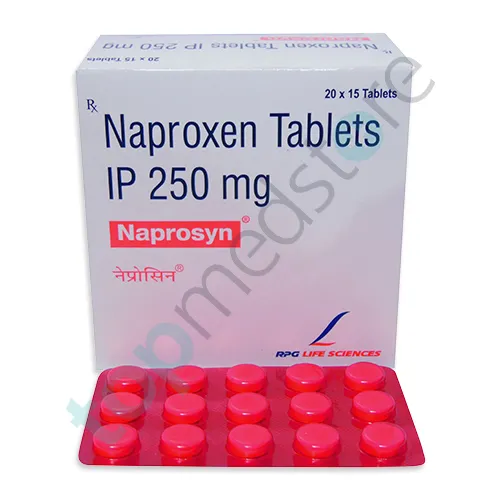
Naproxen is a pain-relief and anti-inflammatory medicine used to treat pain, swelling, stiffness, and fever. Doctors such as a general physician, orthopedic specialist, rheumatologist, or pain specialist may prescribe this medicine for different painful conditions. It belongs to a group of medicines called non-steroidal anti-inflammatory drugs (NSAIDs).
Inflammation means swelling and irritation in the body. It can cause pain, redness, warmth, and difficulty in movement. Naproxen helps reduce these symptoms and improves comfort and mobility.
This medicine is commonly used for conditions like arthritis, muscle pain, back pain, menstrual pain, gout, and headaches. It is available in tablet and suspension form. Tablets are the most commonly used form in adults.
Naproxen tablets are often used for both short-term pain relief and long-term management of chronic conditions like arthritis. It is usually taken with food to reduce stomach irritation.
Naproxen works by reducing the production of chemicals in the body that cause pain and inflammation. These chemicals are called prostaglandins.
Prostaglandins are produced when the body detects injury, infection, or inflammation. They cause swelling, pain, stiffness, and sometimes fever.
The medicine blocks enzymes called COX (cyclooxygenase) enzymes, which are needed to make prostaglandins. When these enzymes are blocked, prostaglandin levels decrease. This leads to less pain and swelling.
In arthritis, Naproxen helps reduce inflammation inside the joints. Joints are areas where two bones meet, and inflammation in these areas can make movement painful.
In menstrual pain, the medicine helps relax uterine muscles and reduces cramps. The uterus is the organ where a baby grows during pregnancy.
Because Naproxen works throughout the body, it is effective for many types of pain. However, the dose must be carefully controlled to avoid side effects.
Doctors usually recommend taking Naproxen tablets after food or with milk to reduce stomach irritation.
Naproxen is used for several painful and inflammatory conditions.
One common use of Naproxen tablets is the treatment of arthritis. Arthritis causes joint pain, stiffness, swelling, and reduced movement. The medicine helps improve comfort and mobility.
Doctors also prescribe Naproxen for menstrual pain (dysmenorrhea). Dysmenorrhea means painful periods caused by uterine muscle contractions. The medicine helps reduce cramps and discomfort.
Another use is for gout attacks. Gout is a type of arthritis caused by uric acid crystal buildup in joints. It causes sudden severe pain, swelling, and redness, often in the feet or toes.
Naproxen is also used for muscle pain, back pain, neck pain, and sports injuries. These conditions often involve inflammation of muscles or soft tissues.
Doctors may also prescribe it for headaches, dental pain, or post-surgical pain in some cases.
In chronic conditions, Naproxen may be used as part of a long-term treatment plan to control inflammation and improve quality of life.
Naproxen works by blocking the production of prostaglandins, which are responsible for pain, inflammation, and fever.
It blocks COX enzymes, which help produce these prostaglandins. When COX enzymes are blocked, inflammation and pain signals decrease.
In arthritis, Naproxen reduces swelling in the joints and helps improve movement and flexibility.
In menstrual pain, it reduces uterine contractions, which lowers cramping and discomfort.
In gout, it helps control the strong inflammatory reaction caused by uric acid crystals in the joints.
Because it works for a longer duration compared to some other painkillers, Naproxen is often taken once or twice daily depending on the condition.
Doctors usually recommend taking Naproxen tablets with food to protect the stomach lining and reduce irritation.
Like all medicines, Naproxen may cause side effects in some people. Many are mild, but some can be serious.
Common side effects include stomach pain, heartburn, nausea, vomiting, dizziness, and headache.
Because it is an NSAID, Naproxen may irritate the stomach lining. Long-term or high-dose use may increase the risk of stomach ulcers or bleeding. An ulcer is a sore in the stomach that can cause pain and discomfort.
Some patients may experience swelling in the legs, fluid retention, or increased blood pressure.
Rare but serious side effects include kidney problems, liver problems, chest pain, breathing difficulty, or severe allergic reactions.
People with asthma, heart disease, kidney disease, liver disease, or stomach ulcers should inform their doctor before using this medicine.
Patients should seek immediate medical help if they notice black stools, vomiting blood, severe stomach pain, or chest pain.
This content is for educational purposes only and should not replace professional medical advice. Naproxen should only be used under the supervision of a qualified healthcare professional such as a general physician, orthopedic specialist, rheumatologist, or pain specialist. Do not take more than the prescribed dose or use it for longer than recommended. Treatment response and side effects may vary depending on the patient’s medical condition, age, and overall health.
| Product name | Naproxen |
|---|---|
| Category | Pain Relief & Anti-Inflammatory Medicines |
| Shipping offer | Free shipping on orders of $110.00 or more |
$101.01 – $257.16
$47.69 – $156.08
$27.72 – $90.72
$40.26 – $131.76