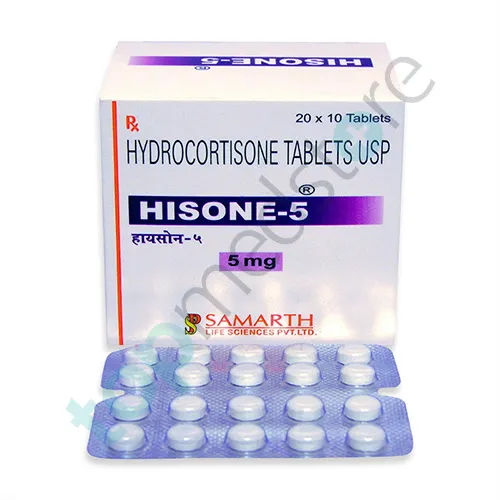
Hydrocortisone 5mg
$50.00 – $164.00
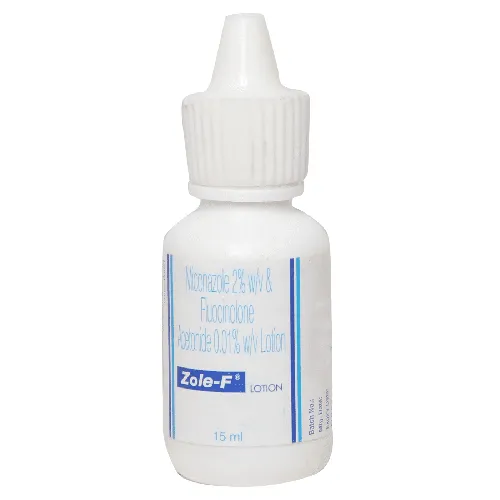
Miconazole–Fluocinolone is a combination medicine used to treat fungal skin infections with itching and inflammation. A dermatologist often prescribes this medicine when a skin infection is caused by fungus and the skin also becomes red, swollen, and very itchy.
This medicine contains two active ingredients. Miconazole is an antifungal medicine that kills fungus and stops it from growing. Fluocinolone is a mild steroid that reduces redness, swelling, and itching. Together, they treat both the infection and the uncomfortable skin reaction.
Fungal infections of the skin are common in warm and humid conditions. They may appear in areas like the groin, underarms, feet, or folds of the skin. These infections often cause itching, redness, scaling, and discomfort. This combination cream or ointment helps control these symptoms effectively.
Doctors usually prescribe this medicine for short-term use only. It is applied directly on the affected skin area. A dermatologist checks the skin condition before recommending it to ensure it is the right treatment.
Miconazole–Fluocinolone works directly on the skin where the infection is present. It does not need to affect the whole body to work effectively.
Miconazole targets the fungus causing the infection. Fungus grows by forming a protective structure in the skin. Miconazole breaks down this structure and stops the fungus from growing and spreading. Over time, the infection reduces and the skin begins to heal.
Fluocinolone works on the body’s immune response in the skin. When the skin is infected, the immune system reacts and causes redness, swelling, and itching. Fluocinolone reduces this overreaction. It calms the skin and gives relief from irritation.
Because both ingredients work together, patients experience relief from itching and redness while the infection is also treated. This dual action improves comfort and speeds up healing.
A dermatologist may advise keeping the skin clean and dry during treatment. Moisture can help fungus grow, so dryness is important for recovery.
The main use of Miconazole–Fluocinolone is the treatment of fungal skin infections with inflammation.
It is commonly used in ringworm infections, which are fungal infections that appear as red, circular patches on the skin. These patches may itch and spread if not treated.
It is also used for jock itch, a fungal infection in the groin area. This condition causes itching, redness, and discomfort, especially in warm weather or after sweating.
Another common use is athlete’s foot, a fungal infection that affects the feet, especially between the toes. It causes peeling, itching, and burning sensations.
Doctors may also prescribe it for fungal infections in skin folds, where moisture and sweat can increase fungal growth. These areas are more prone to irritation and require careful treatment.
A dermatologist may choose this combination when there is both fungal infection and strong itching or inflammation. However, it is usually not used for long periods because steroid use on the skin must be controlled carefully.
It is not used for bacterial or viral skin infections unless specifically directed by a doctor.
Miconazole–Fluocinolone works in two ways to treat infected and inflamed skin.
Miconazole stops the fungus from growing by damaging its cell structure. Fungus needs a strong outer layer to survive. When this layer is weakened, the fungus cannot spread and gradually dies. This helps clear the infection from the skin.
Fluocinolone reduces inflammation in the skin. Inflammation is the body’s natural response to infection, but it can cause itching, redness, and swelling. Fluocinolone controls this reaction and helps the skin feel more comfortable.
Together, these effects treat both the cause of the infection and the symptoms. The antifungal action removes the fungus, while the steroid action reduces discomfort.
The cream or ointment is applied directly to clean, dry skin. A thin layer is usually enough. Overuse does not improve results and may increase side effects.
A dermatologist may recommend using it for a limited time and then switching to a plain antifungal medicine once inflammation reduces.
Like all medicines, Miconazole–Fluocinolone can cause side effects, but most are mild when used correctly.
Common side effects include mild burning, stinging, dryness, or irritation at the application site. These effects usually improve as the skin adjusts.
Some patients may experience thinning of the skin if the medicine is used for too long. This happens because steroid medicines can weaken skin structure over time.
In rare cases, skin discoloration or increased hair growth at the application area may occur.
If the medicine is used on large skin areas or for long periods, more of the steroid may be absorbed into the body. This may increase the risk of hormonal side effects, although this is uncommon.
Allergic reactions are rare but possible. Symptoms may include severe redness, swelling, itching, or rash. Medical attention is needed if these symptoms appear.
A dermatologist usually limits the duration of treatment to reduce risks and ensures safe use of steroid-containing creams.
This content is for educational purposes only and does not replace professional medical advice, diagnosis, or treatment. Miconazole–Fluocinolone should only be used under the supervision of a qualified dermatologist or healthcare professional. Always follow your doctor’s instructions and use the medicine for the prescribed duration only.
| Product name | Miconazole-Fluocinolone |
|---|---|
| Category | Fungal Skin Treatments |
| Shipping offer | Free shipping on orders of $110.00 or more |
$50.00 – $164.00
$63.30 – $207.60
$82.49 – $269.96
$37.05 – $121.32