Leucovorin Calcium 15mg
$68.00 – $222.80
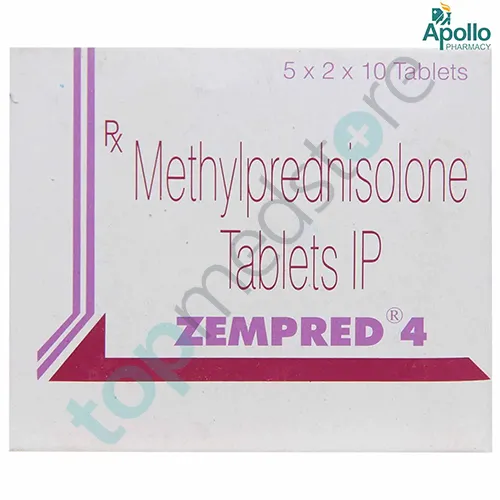
Methylprednisolone is a prescription medicine used to treat inflammation, severe allergies, and conditions where the immune system becomes overactive. A physician, rheumatologist, dermatologist, or specialist may prescribe this medicine depending on the disease.
Inflammation means the body becomes red, swollen, painful, and irritated after injury, infection, or allergy. In some diseases, this inflammation becomes too strong and starts harming healthy tissues.
Methylprednisolone belongs to a group of medicines called corticosteroids. These are strong anti-inflammatory medicines that act like natural hormones made in the body’s adrenal glands.
Doctors use this medicine in asthma attacks, skin allergies, joint pain, autoimmune diseases, and many other inflammatory conditions.
It is available as tablets and injections. In hospitals, it may also be given through a vein in severe cases.
The medicine is often used for short periods in flare-ups, but sometimes longer treatment is needed under strict medical supervision.
Methylprednisolone works by reducing inflammation and calming the immune system.
When the body is injured or exposed to allergens, it releases chemicals that cause swelling, redness, pain, and irritation.
These chemicals are called inflammatory substances.
Methylprednisolone blocks the release of these substances in the body.
It also reduces the activity of immune cells that are too active in autoimmune diseases.
Immune cells normally protect the body from infection, but in some conditions they attack healthy tissues by mistake.
This medicine helps slow down that harmful immune response.
As inflammation reduces, swelling, pain, and redness also decrease.
It also helps reduce fluid leakage from blood vessels, which lowers swelling in affected areas.
Because of these strong effects, the medicine is used when symptoms are severe or need quick control.
Doctors prescribe Methylprednisolone for many inflammatory and allergic conditions.
It is commonly used for severe allergies that cause skin rash, itching, swelling, or breathing difficulty.
The medicine is also used in asthma and COPD flare-ups. These conditions affect the lungs and make breathing difficult due to airway swelling.
Methylprednisolone helps reduce airway swelling and improves airflow.
Doctors also use it in autoimmune diseases such as rheumatoid arthritis and lupus.
Autoimmune diseases happen when the immune system attacks the body’s own joints, skin, or organs.
The medicine may also be used for severe skin diseases like eczema and psoriasis.
In some cases, it is used for eye inflammation, nerve inflammation, or other serious inflammatory conditions affecting different organs.
Treatment depends on the severity of symptoms and how the patient responds.
Methylprednisolone works by entering body cells and controlling inflammation at the gene level.
Inside the body, it attaches to specific receptors inside cells.
These receptors then move into the cell nucleus. The nucleus is the control center of the cell.
Inside the nucleus, the medicine reduces the production of inflammatory proteins.
At the same time, it increases substances that reduce inflammation.
This helps balance the immune response and reduce tissue damage.
It also makes blood vessels less “leaky,” which reduces swelling and fluid buildup in tissues.
As inflammation goes down, symptoms like pain, redness, swelling, and breathing difficulty improve.
Because the medicine is very strong, doctors adjust the dose carefully and may reduce it slowly when stopping treatment.
Like all medicines, Methylprednisolone may cause side effects, especially with long-term use or high doses.
Some patients may notice increased appetite, weight gain, or swelling due to fluid retention.
Fluid retention means the body holds extra water, which can cause puffiness in the face, hands, or feet.
Mood changes such as irritability, anxiety, or restlessness may also occur.
Some people may have difficulty sleeping or feel unusually energetic.
Blood sugar levels may increase, especially in patients with diabetes.
Long-term use may weaken bones. This condition is called osteoporosis, where bones become thin and more likely to break.
The medicine may also increase the risk of infections because the immune system becomes weaker.
Some patients may experience stomach irritation or acidity.
Rare but serious effects include severe infection, vision changes, or adrenal suppression. Adrenal suppression means the body reduces its natural steroid production.
Patients should not stop this medicine suddenly without medical advice.
Doctors may monitor blood pressure, blood sugar, weight, bone strength, and infection signs during treatment.
This content is for informational purposes only. It does not replace professional medical advice, diagnosis, or treatment. Always consult a physician, rheumatologist, dermatologist, or healthcare professional before starting or changing Methylprednisolone treatment. Use this medicine only as prescribed and follow proper medical supervision, especially during long-term therapy.
| Product name | Methylprednisolone |
|---|---|
| Category | Systemic Anti-Inflammatory Medicines |
| Shipping offer | Free shipping on orders of $110.00 or more |
$68.00 – $222.80
$62.70 – $205.20
$39.60 – $129.60
$25.80 – $84.00