Citicoline-Piracetam 500mg-800mg
$127.60 – $417.60
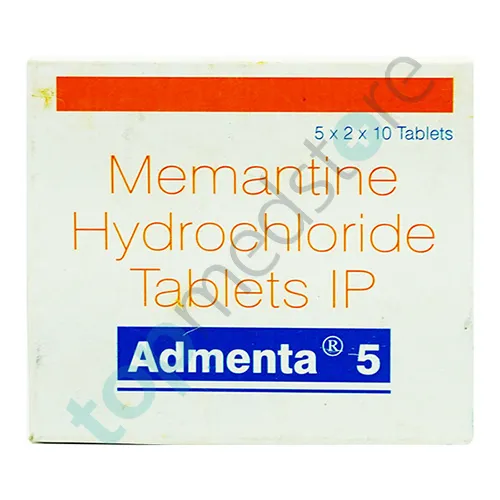
Memantine is a prescription medicine used to treat Alzheimer’s disease and memory problems. Alzheimer’s disease is a condition that slowly affects the brain. It can cause memory loss, confusion, and trouble with daily activities.
Doctors use Memantine tablets to help patients think more clearly and stay mentally active for a longer time. This medicine may also help with focus, behavior, and communication.
A neurologist is the specialist doctor who usually treats Alzheimer’s disease and other brain disorders. Some elderly patients may also receive care from a geriatric specialist. A geriatric specialist is a doctor who treats health problems in older adults.
Memantine belongs to a medicine group called NMDA receptor antagonists. These medicines help protect brain cells from damage caused by abnormal brain signals.
This medicine is available in strengths like Memantine 5 mg and Memantine 10 mg tablets. Doctors choose the right dose based on the patient’s symptoms and overall health.
People often search online for terms like memory loss medicine, Alzheimer’s treatment, brain health tablets, dementia medicine, confusion treatment, and cognitive support medicine while learning about Memantine.
Memantine works inside the brain. The brain uses natural chemicals to send messages between nerve cells. These messages help with memory, learning, speaking, and thinking.
In Alzheimer’s disease, these brain signals become weak or unbalanced. This can damage brain cells over time.
Memantine helps control a brain chemical called glutamate. Glutamate is important for learning and memory. However, too much glutamate activity can harm nerve cells. Memantine helps protect the brain by reducing this harmful activity.
As the medicine starts working, some patients may feel less confused. They may also notice better attention, improved thinking, and easier communication.
This medicine does not cure Alzheimer’s disease. However, it may slow down worsening symptoms in some patients.
Doctors usually prescribe Memantine for long-term treatment. Patients may need a few weeks before they notice improvement. Regular use is important because the medicine works slowly and steadily in the body.
Doctors mainly prescribe Memantine for moderate to severe Alzheimer’s disease. This condition is one of the most common forms of dementia.
Dementia is a word used for memory and thinking problems that affect daily life. Patients with dementia may forget names, repeat questions, lose personal items, or struggle with simple tasks.
Memantine may help patients stay more independent during daily activities. Some people find it easier to speak, remember information, or interact with family members while using this medicine.
Doctors may also use Memantine together with other Alzheimer’s medicines. Combination treatment may improve symptom control in some patients.
In certain cases, doctors may study or prescribe Memantine for other brain-related conditions. These decisions depend on the patient’s medical condition and doctor’s advice.
Online searches related to this medicine often include mental decline treatment, medicine for elderly confusion, memory support tablets, brain disorder medicine, and cognitive health treatment.
Memantine works by controlling certain brain signals linked to memory and learning.
The medicine blocks extra activity in NMDA receptors. These receptors help brain cells communicate with each other. In Alzheimer’s disease, these signals may become overactive and damage healthy nerve cells.
Memantine helps protect the brain from this damage. It supports better communication between brain cells and may help patients maintain mental skills for a longer time.
Doctors usually start with a low dose and slowly increase it. This helps reduce side effects and allows the body to adjust safely.
Patients should take Memantine exactly as prescribed. It can be taken with or without food. Taking the medicine at the same time each day may help maintain stable results.
Family members and caregivers should continue watching the patient’s symptoms during treatment. Regular doctor visits are important for monitoring progress and adjusting the dosage if needed.
Like all medicines, Memantine can cause side effects. Many side effects are mild and improve as the body adjusts to treatment.
Common side effects include dizziness, headache, tiredness, sleepiness, and constipation. Constipation means difficulty passing stool.
Some patients may also experience confusion, balance problems, nausea, or increased blood pressure. Older adults may become more sensitive to these effects.
Rare but serious side effects need immediate medical attention. Patients should contact a doctor if they develop severe dizziness, chest pain, breathing problems, seizures, or allergic reactions.
People with kidney disease should use Memantine carefully because the kidneys help remove the medicine from the body. Doctors may lower the dosage in these patients.
This content is for educational purposes only. It does not replace medical advice, diagnosis, or treatment. Always speak with a neurologist or another licensed healthcare professional before using Memantine or changing any Alzheimer’s treatment plan. Use this medicine only under proper medical supervision.
| Product name | Memantine |
|---|---|
| Category | Alzheimer's Disease Medicines |
| Shipping offer | Free shipping on orders of $110.00 or more |
$127.60 – $417.60
$198.00 – $648.00
$79.20 – $259.20
$87.15 – $285.60