Agomelatine 25mg
$80.10 – $261.60
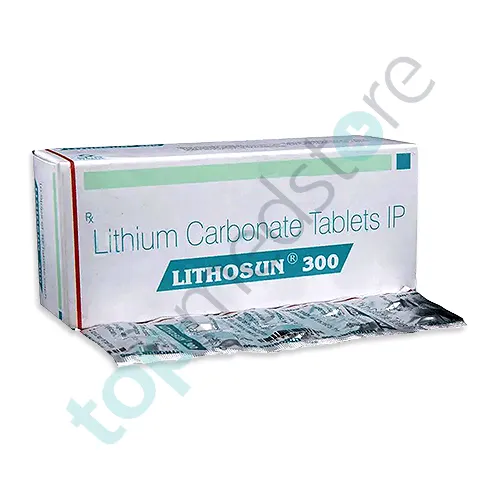
Lithium is a prescription mood stabilizer medicine mainly used to treat bipolar disorder. Bipolar disorder is a long-term mental health condition where a person experiences extreme mood changes. These include very high energy phases called mania and very low mood phases called depression.
During mania, a person may feel overly active, talkative, restless, and may take risky decisions without thinking. During depression, a person may feel very sad, tired, and lose interest in daily activities.
Doctors prescribe Lithium tablets to reduce these mood swings and help keep emotions stable over time.
A psychiatrist (mental health specialist) usually prescribes this medicine. Regular monitoring is important because Lithium works within a narrow safe range in the body.
Lithium belongs to the mood stabilizer group.
A mood stabilizer is a medicine that helps control extreme mood changes and keeps emotional balance steady.
Lithium works by stabilizing brain activity that controls mood, thinking, and behavior.
In bipolar disorder, brain signals become unstable. This leads to sudden mood shifts, such as excitement, anger, impulsive behavior, or deep sadness.
Lithium helps calm this overactive brain signaling.
It reduces excessive nerve activity during manic episodes. This helps control symptoms like fast speech, racing thoughts, agitation, and lack of sleep.
It also helps reduce the frequency and severity of depressive episodes over time.
When brain activity becomes more stable, symptoms like irritability, impulsiveness, mood swings, and emotional instability gradually improve.
Lithium does not work instantly. It needs regular daily use and medical supervision for proper effect.
Doctors mainly use Lithium for bipolar disorder.
It is used to treat mania, a condition where a person feels extremely energetic, overly confident, and may behave impulsively or aggressively.
A psychiatrist also uses Lithium for maintenance therapy in bipolar disorder. Maintenance therapy means long-term treatment to prevent future mood episodes and reduce relapse.
Lithium can also be used in some cases of treatment-resistant depression, where other antidepressant medicines do not work well or give limited improvement.
In rare cases, it may be used as an add-on treatment to improve mood stability in severe psychiatric conditions.
Lithium is not used for normal mood changes, stress, or everyday emotional ups and downs. It is strictly used for diagnosed psychiatric disorders.
Lithium works by affecting how brain cells communicate with each other.
It helps regulate chemical messengers in the brain that control mood, including serotonin and other signaling systems.
During mania, brain activity becomes too fast and overactive. Lithium slows this overactivity and helps calm the brain.
During depression phases, Lithium helps stabilize mood and reduce extreme emotional drops.
Over time, it helps make mood changes less severe and less frequent.
Because Lithium affects many body systems, doctors carefully adjust the dose for each patient.
Regular blood tests are important because the difference between a helpful dose and a harmful dose is small.
Like all medicines, Lithium may cause side effects. Some are mild, while others need medical attention and regular monitoring.
Common side effects include hand tremors, increased thirst, frequent urination, nausea, diarrhea, and mild weight gain.
Tremors mean shaking, usually in the hands.
Frequent urination means passing urine more often than usual.
Increased thirst means feeling very thirsty even after drinking enough water.
Some people may also feel tired, weak, or have mild difficulty concentrating.
Serious side effects can occur if Lithium levels become too high in the blood. These may include severe tremors, confusion, vomiting, slurred speech, or difficulty walking.
This is why doctors regularly check blood levels and kidney function during treatment.
Patients should never change the dose or stop Lithium suddenly without medical advice, as it may cause mood relapse.
A psychiatrist must supervise treatment closely for safe and effective use.
This content is for educational purposes only. It does not replace professional medical advice, diagnosis, or treatment. Always consult a psychiatrist before using Lithium. Use this medicine only under proper medical supervision.
| Product name | Lithium |
|---|---|
| Category | Bipolar Disorder Medicines |
| Shipping offer | Free shipping on orders of $110.00 or more |
$80.10 – $261.60
$73.00 – $240.00
$39.00 – $128.00
$50.40 – $165.60