
Sodium Valproate-Valproic Acid 300mg
$58.00 – $188.00
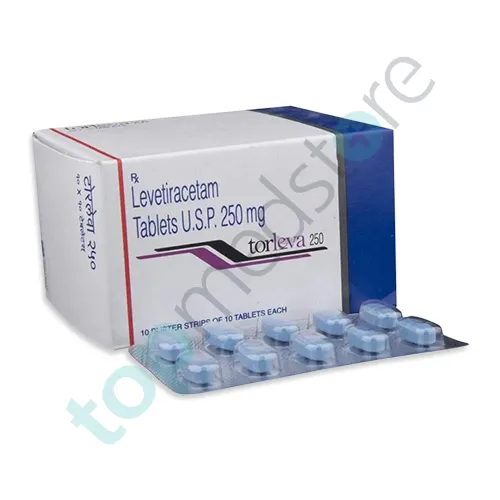
Levetiracetam is a prescription medicine used to treat epilepsy and help control seizures.
Epilepsy is a brain condition where the brain sends abnormal electrical signals again and again, which can lead to seizures.
A seizure is a sudden change in brain activity. It may cause shaking of the body, staring spells, loss of awareness, or unusual movements.
Doctors commonly prescribe Levetiracetam tablets, oral solution, or injections to reduce seizure attacks and help patients live a more stable daily life.
A neurologist is a brain and nerve specialist doctor. A neurologist usually prescribes Levetiracetam for seizure control and epilepsy treatment.
Levetiracetam belongs to a group of medicines called anticonvulsants or anti-epileptic drugs (AEDs).
An anticonvulsant medicine means a medicine that helps stop or reduce seizures by calming abnormal brain activity.
The medicine is available in strengths such as Levetiracetam 250 mg, 500 mg, and 1000 mg tablets.
Levetiracetam is used as a long-term treatment. Regular use may help reduce seizure frequency and improve safety in daily life.
Levetiracetam works by controlling abnormal electrical activity in the brain.
The brain works by sending signals using electrical impulses. These impulses help control movement, speech, thoughts, and body functions.
In epilepsy, these electrical signals become too fast or irregular. This can trigger seizures.
Levetiracetam helps calm this overactive brain activity.
It works by acting on brain cells and helping control the release of chemical messengers called neurotransmitters.
Neurotransmitters are chemicals in the brain that help nerve cells communicate with each other.
When these signals become balanced, the chance of seizures becomes lower.
This medicine does not cure epilepsy, but it helps control symptoms and reduce seizure attacks.
Doctors may slowly adjust the dose depending on the patient’s condition and response.
Regular use is very important for good seizure control.
Doctors mainly prescribe Levetiracetam for epilepsy treatment and seizure control.
It is used in both adults and children depending on age and medical need.
The medicine helps control different types of seizures.
Partial seizures are seizures that affect only one part of the brain and may cause unusual sensations or movements.
Generalized seizures affect the whole brain and may cause full-body shaking or complete loss of awareness.
Levetiracetam may be used alone or with other anti-epileptic medicines for better seizure control.
Doctors may prescribe it for long-term seizure prevention in patients with repeated seizure episodes.
The medicine helps improve safety by reducing seizure-related risks such as falls or injuries.
Patients should take the medicine regularly as stopping it suddenly may increase seizure risk.
Levetiracetam works by stabilizing nerve activity in the brain.
Nerves send signals using electrical and chemical messages. In epilepsy, these signals become unstable and too active.
Levetiracetam helps calm this abnormal nerve activity.
It binds to specific proteins in brain cells that control neurotransmitter release.
These proteins help manage how brain signals are sent.
By balancing these signals, the medicine reduces sudden electrical bursts in the brain.
As brain activity becomes more stable, seizure frequency may reduce.
Doctors usually advise taking the medicine at the same time every day.
It may take time for full benefit, especially in long-term epilepsy control.
Like all medicines, Levetiracetam may cause side effects in some people. Many side effects are mild and improve with time.
Common side effects include sleepiness, dizziness, headache, weakness, and irritability.
Sleepiness means feeling very tired or less alert than usual.
Some patients may also experience mood changes, loss of appetite, or trouble sleeping.
Rare but serious side effects require medical attention. Patients should contact a doctor if they develop severe mood changes, depression, aggression, hallucinations, or worsening seizures.
A hallucination means seeing or hearing things that are not really there.
Patients should not stop this medicine suddenly because it may increase seizure frequency.
Alcohol should be avoided because it may increase dizziness and sleepiness.
This content is for educational purposes only. It does not replace professional medical advice, diagnosis, or treatment. Always consult a neurologist or another licensed healthcare professional before using Levetiracetam or changing epilepsy treatment. Use this medicine only under proper medical supervision.
| Product name | Levetiracetam |
|---|---|
| Category | Epilepsy Medicines |
| Shipping offer | Free shipping on orders of $110.00 or more |
$58.00 – $188.00
$50.00 – $164.00
$55.80 – $183.60
$36.90 – $122.40