Amlodipine Lisinopril 5mg-5mg
$42.00 – $136.80
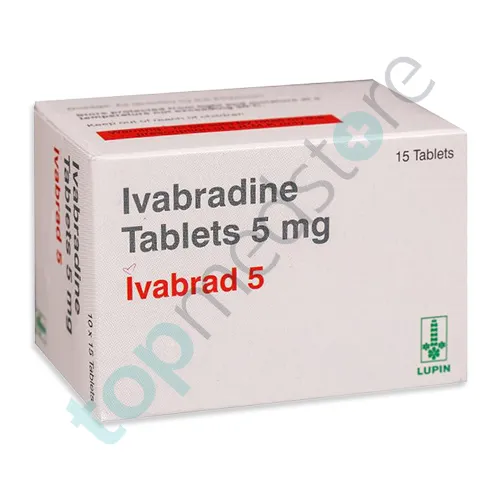
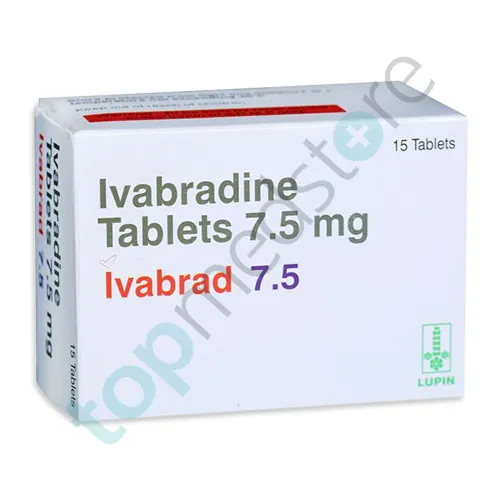
Ivabradine is a prescription medicine used to treat chronic heart failure and certain cases of angina (chest pain). A cardiologist may prescribe this medicine when the heart beats too fast and needs better rate control.
Heart rate is the number of times the heart beats in one minute. When the heart beats too fast for a long time, it can become tired and less efficient.
Ivabradine tablets help slow the heart rate without reducing blood pressure too much. This makes it useful in patients who need heart rate control but cannot tolerate other medicines well.
It is often used along with other heart medicines as part of long-term treatment.
Doctors carefully select patients for Ivabradine because it works best when heart rhythm is normal but fast.
Ivabradine works by acting on a natural electrical system in the heart.
The heart has a small area called the sinoatrial node (SA node). This node controls the heart’s rhythm and sets the heartbeat speed.
Ivabradine slows the activity of this node by blocking a special current called the “funny current” (If current).
When this current is reduced, the heart beats more slowly.
A slower heart rate allows the heart more time to fill with blood between beats. This improves efficiency and reduces strain on the heart muscle.
Unlike some other heart medicines, Ivabradine mainly affects heart rate and does not significantly lower blood pressure.
A cardiologist may monitor heart rate and rhythm during treatment to ensure safe use.
The main use of Ivabradine is the treatment of chronic heart failure.
Heart failure means the heart is weak and cannot pump blood effectively. This may cause fatigue, breathlessness, and swelling in the body.
Ivabradine helps by slowing the heart rate and improving heart efficiency in selected patients.
It is also used in some cases of chronic stable angina, which is chest pain caused by reduced blood flow to the heart.
By reducing heart rate, the medicine lowers oxygen demand of the heart. This can help reduce chest pain episodes.
Doctors may prescribe Ivabradine when beta-blocker medicines are not suitable or not enough.
Patients should take the medicine regularly as prescribed for long-term heart support.
Ivabradine works by selectively targeting the heart’s natural pacemaker.
It blocks the “funny current” in the SA node, which is responsible for starting each heartbeat.
When this current is slowed, the heart rate decreases in a controlled way.
A slower heart rate helps the heart pump more efficiently and reduces workload on heart muscles.
This improved efficiency may help reduce symptoms like fatigue and breathlessness in heart failure patients.
Ivabradine does not directly affect heart strength or blood pressure in most cases, making it different from many other heart medicines.
Doctors usually adjust the dose based on resting heart rate and patient response.
A cardiologist may perform regular checkups and ECG tests to monitor heart rhythm during treatment.
Like all medicines, Ivabradine can cause side effects. Many are mild and improve with time.
Common side effects include slow heart rate (bradycardia), headache, dizziness, and tiredness.
Some patients may experience temporary visual effects such as brief flashes of light, especially when changing light conditions.
A few people may feel low energy due to reduced heart rate.
Rare but serious side effects include very slow heartbeat, irregular heart rhythm, or worsening chest pain.
Patients should report symptoms like severe dizziness, fainting, or chest discomfort to a doctor immediately.
Ivabradine may interact with some other heart medicines, so a full medication review is important.
A cardiologist may adjust the dose or stop the medicine if heart rate becomes too low.
This content is for educational purposes only and does not replace medical advice, diagnosis, or treatment. Ivabradine should only be used under the supervision of a qualified cardiologist or healthcare professional. Always follow your doctor’s instructions regarding heart rate control, dosage, and long-term cardiac care.
| Product name | Ivabradine |
|---|---|
| Category | Angina & Chest Pain Medicines |
| Shipping offer | Free shipping on orders of $110.00 or more |
$42.00 – $136.80
$142.20 – $468.00
$164.70 – $536.40
$27.60 – $90.00