
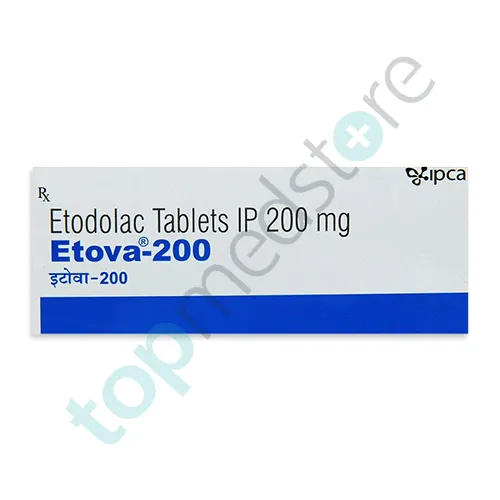
Etodolac 200mg
$38.00 – $124.00
Ibuprofen is a widely used pain relief and anti-inflammatory medicine. It is used to reduce pain, fever, swelling, and inflammation in many common health conditions.
It belongs to a group of medicines called NSAIDs (Non-Steroidal Anti-Inflammatory Drugs). NSAIDs are medicines that reduce pain and inflammation without using steroids.
People often search for Ibuprofen uses, pain relief tablets, fever medicine, headache treatment drug, muscle pain relief medicine, and anti-inflammatory tablets when learning about this medicine.
Ibuprofen is commonly used for everyday problems like headaches, tooth pain, muscle pain, menstrual pain, and fever.
A physician or general healthcare provider may recommend Ibuprofen depending on the condition and severity of symptoms.
It is generally used for short-term relief of pain and fever.
Ibuprofen works by reducing chemicals in the body that cause pain and inflammation.
When the body is injured or infected, it produces substances called prostaglandins. These chemicals cause pain, swelling, and fever as part of the body’s natural response.
Ibuprofen blocks the enzyme that produces prostaglandins. This enzyme is called COX (cyclooxygenase).
When COX is blocked, fewer prostaglandins are made. This reduces pain signals, lowers swelling, and brings down fever.
In simple terms, Ibuprofen helps “calm down” the body’s pain and inflammation response.
Doctors and healthcare providers use Ibuprofen for many types of mild to moderate pain and inflammation.
It is commonly used for headaches and migraines, helping reduce pain and pressure in the head.
It is also used for muscle pain and back pain, especially after physical strain or injury.
Ibuprofen is widely used for toothache and dental pain, where it helps reduce swelling and discomfort.
It is also used for menstrual pain (period cramps), where it relaxes uterine muscles and reduces cramping pain.
People often search for best pain relief medicine, fever reduction tablets, headache cure medicine, period pain relief tablets, and muscle pain treatment drug when learning about Ibuprofen.
It is also used to reduce fever, especially in viral or bacterial infections.
Ibuprofen works by blocking the production of prostaglandins, which are chemical messengers in the body.
Prostaglandins are responsible for sending pain signals to the brain and causing inflammation at the site of injury or infection.
Ibuprofen blocks the COX-1 and COX-2 enzymes, which are needed to produce prostaglandins.
When these enzymes are blocked, the body produces fewer pain and inflammation signals.
As a result, swelling reduces, fever comes down, and pain becomes more manageable.
This makes Ibuprofen effective for a wide range of common pain-related conditions.
Like all medicines, Ibuprofen may cause side effects, especially if used in high doses or for long periods.
Common side effects include stomach pain, acidity, nausea, dizziness, and mild heartburn.
Heartburn is a burning feeling in the chest caused by stomach acid irritation.
Some people may experience stomach irritation because Ibuprofen can affect the protective lining of the stomach.
Rare but serious side effects may include stomach ulcers, bleeding, kidney problems, or allergic reactions.
Patients should avoid taking it on an empty stomach to reduce stomach irritation.
Long-term or excessive use should only be done under medical supervision.
This information is for educational purposes only. Ibuprofen should be used under the guidance of a physician or healthcare professional. Always follow recommended dosage and avoid long-term unsupervised use.
| Product name | Ibuprofen |
|---|---|
| Category | Pain Relief & Anti-Inflammatory Medicines |
| Shipping offer | Free shipping on orders of $110.00 or more |
$38.00 – $124.00
$49.50 – $162.00
$62.00 – $202.00
$44.00 – $144.00