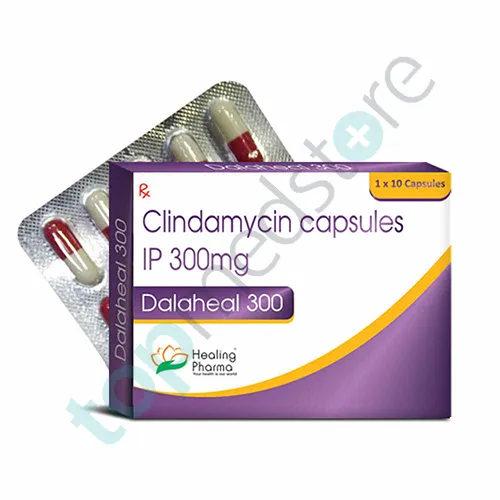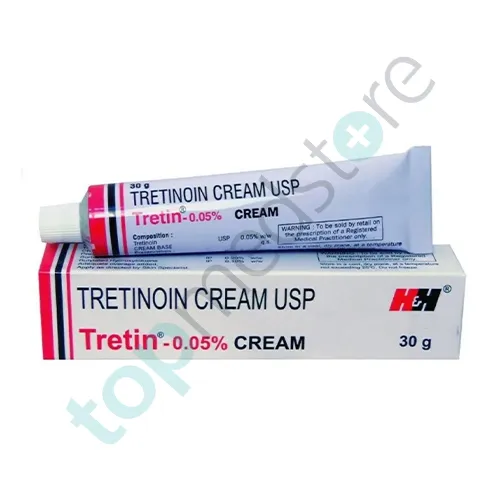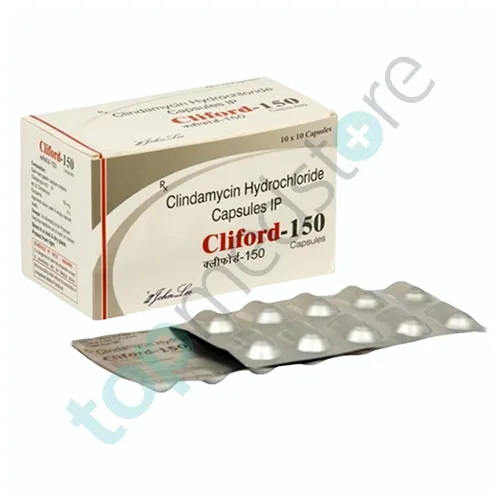
Clindamycin 150mg Capsules
$69.60 – $227.20
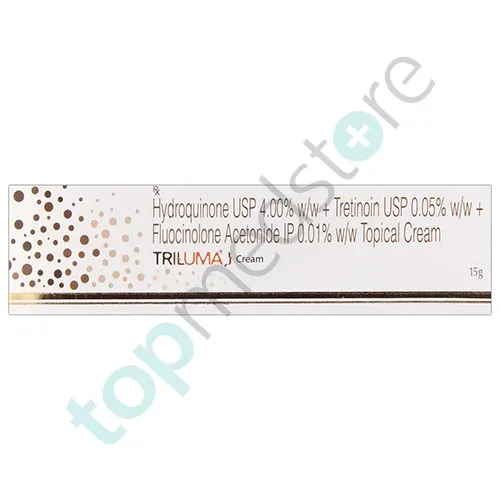
Hydroquinone–Tretinoin–Fluocinolone acetonide is a prescription topical skin cream used to treat melasma and other types of facial dark spots and hyperpigmentation. It is usually prescribed by a dermatologist after evaluating the skin condition and its severity.
Melasma is a common skin condition that causes brown or gray-brown patches on the face, especially on the cheeks, forehead, upper lip, and nose. It is often triggered by sun exposure, hormonal changes, pregnancy, or certain medications.
This combination cream works in three different ways to lighten dark patches, improve skin texture, and reduce inflammation.
It is applied in a very thin layer, usually once daily at night, as directed by a doctor. Sunscreen use during the day is very important during treatment.
This combination medicine contains three active ingredients, and each one works differently on the skin.
Hydroquinone reduces the production of melanin, the natural pigment that gives skin its color. In melasma, melanin is produced in excess, causing dark patches. Hydroquinone helps reduce this excess pigment formation.
Tretinoin is a form of vitamin A. It increases skin cell turnover, which means it helps the skin shed old, pigmented cells and replace them with new, healthier skin cells. This improves skin tone and texture over time.
Fluocinolone acetonide is a mild corticosteroid. It reduces skin inflammation, redness, and irritation that can occur during treatment. It also helps improve comfort while using the other active ingredients.
Together, these three medicines work in a balanced way to reduce pigmentation, improve skin renewal, and control inflammation.
Doctors prescribe this combination mainly for melasma, which causes uneven dark patches on the face.
It is also used for post-inflammatory hyperpigmentation, which is darkening of the skin after acne, injury, or skin inflammation.
In some cases, it may be used for other stubborn facial pigmentation disorders where multiple skin processes are involved.
This medicine is usually recommended for short-term use under strict medical supervision because of the steroid component.
It is often part of a complete skin care plan that includes sun protection, gentle cleansing, and lifestyle modifications.
Consistent use as directed by a dermatologist can gradually improve skin clarity and reduce visible dark patches.
This combination works through a multi-step process on skin pigmentation and renewal.
Hydroquinone works by blocking the enzyme tyrosinase, which is needed for melanin production. When melanin production is reduced, dark patches gradually lighten.
Tretinoin increases the speed of skin cell renewal. It helps remove pigmented skin cells faster and allows newer, evenly colored skin cells to appear on the surface.
Fluocinolone acetonide reduces inflammation in the skin. Inflammation can worsen pigmentation and slow down healing, so controlling it helps improve overall results.
By combining pigment reduction, faster skin renewal, and inflammation control, the cream gradually improves skin tone and reduces visible dark spots.
Results develop slowly and require regular, consistent use along with sun protection.
Like all topical medicines, this combination may cause side effects, especially in the early phase of treatment.
Some patients may experience mild redness, dryness, peeling, or irritation of the skin. These effects are more common during the first few weeks.
A burning or stinging sensation may also occur after application.
The skin may become more sensitive to sunlight, increasing the risk of sunburn if sunscreen is not used properly.
With prolonged or incorrect use, thinning of the skin or changes in skin color may occur due to the steroid component.
Rarely, allergic reactions such as rash, swelling, or severe irritation may develop.
Doctors usually recommend using this cream for a limited duration and under regular follow-up to avoid complications.
Daily sunscreen use and gentle skincare are very important during treatment.
This content is for informational purposes only. It does not replace professional medical advice, diagnosis, or treatment. Always consult a dermatologist before starting or changing Hydroquinone–Tretinoin–Fluocinolone acetonide. Use this medicine exactly as prescribed and follow sun protection measures for safe and effective treatment of pigmentation disorders.
| Product name | Hydroquinone-Tretinoin-Fluocinolone acetonide |
|---|---|
| Category | Dark Spots & Pigmentation Treatments |
| Shipping offer | Free shipping on orders of $110.00 or more |
$69.60 – $227.20
$37.00 – $120.80
$118.95 – $389.28
$65.00 – $212.00