Hydrocortisone 5mg
$50.00 – $164.00
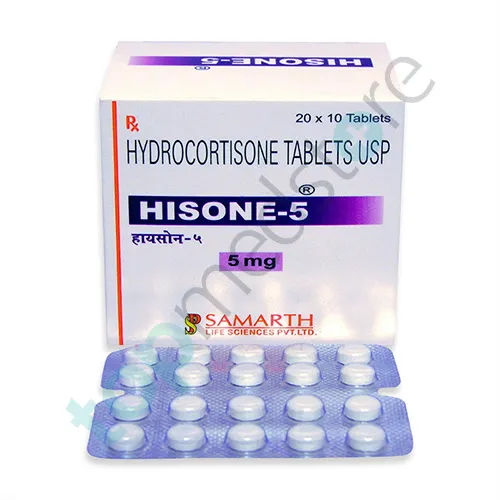
Hydrocortisone is a medicine used to reduce swelling, redness, itching, and inflammation in the body. It is a type of steroid medicine. A steroid here means a man-made form of a natural body hormone called cortisol.
Cortisol is made by small glands on top of the kidneys called adrenal glands. This hormone helps the body control stress, infection response, and inflammation.
Doctors prescribe Hydrocortisone tablets, creams, or injections depending on the problem. Cream is used on the skin. Tablets and injections are used for problems inside the body.
Many people use Hydrocortisone for skin allergies like eczema and dermatitis. These conditions cause itching, redness, and dry patches on the skin.
Eczema means skin becomes very dry and itchy. Dermatitis means skin becomes inflamed due to allergy or irritation.
This medicine is strong, so it should only be used under a doctor’s advice. Wrong use or long use can affect natural body hormones.
Hydrocortisone works by copying the action of the body’s natural hormone cortisol.
When the body faces allergy, injury, or infection, the immune system becomes active. This causes swelling, heat, redness, and pain. These are signs of inflammation.
Hydrocortisone medicine calms this overactive immune response. It slows down the release of chemicals that cause swelling and itching.
As inflammation reduces, the skin or affected area starts to feel better. Redness goes down, swelling reduces, and itching becomes less.
In people who do not produce enough natural cortisol, Hydrocortisone tablets or injections replace the missing hormone. This helps the body stay balanced and supports normal energy, blood pressure, and stress response.
In skin form, Hydrocortisone cream works only on the surface. It reduces itching and irritation directly on the skin.
Doctors use Hydrocortisone for many conditions related to inflammation and allergy.
The most common use is for skin problems like eczema, dermatitis, and allergic rashes. These conditions cause itching, redness, and discomfort.
Many patients use Hydrocortisone cream for insect bites, mild skin allergies, and irritation. It helps calm the skin quickly.
Doctors also use Hydrocortisone medicine for stronger allergic reactions in the body when needed.
In more serious cases, Hydrocortisone tablets or injections may be used for:
Shock is a serious condition where blood pressure becomes very low and organs do not get enough oxygen.
Doctors choose this medicine carefully based on how serious the condition is and how the patient responds.
Hydrocortisone works by reducing the activity of the immune system.
When the immune system becomes too active, it releases chemicals that cause swelling, redness, and itching. These chemicals are helpful in fighting infection, but too much activity can damage tissues.
Hydrocortisone medicine blocks these chemicals and slows down immune reactions. This helps reduce swelling and pain.
In skin use, Hydrocortisone cream calms the affected area directly. It reduces itching and redness at the site of application.
In tablet or injection form, it works throughout the body. It helps control inflammation in deeper tissues.
If the body does not make enough cortisol, Hydrocortisone tablets replace it. This helps maintain normal body functions like blood pressure, energy, and response to stress.
Hydrocortisone can cause side effects, especially if used for a long time or in high doses.
With Hydrocortisone cream, common effects include mild burning, dryness, or thinning of the skin. Thin skin means the skin becomes more delicate over time.
With Hydrocortisone tablets or injections, side effects may include weight gain, increased appetite, mood changes, and trouble sleeping.
Some people may notice higher blood sugar levels. This is important for people with diabetes because sugar levels may become harder to control.
Long-term use may also weaken the immune system. This means the body may get infections more easily.
Other possible effects include fluid buildup in the body, high blood pressure, and weak bones. Weak bones may increase the risk of fractures.
Rare but serious effects include severe mood changes, eye problems, or adrenal suppression. Adrenal suppression means the body reduces its own cortisol production because of long-term medicine use.
Doctors usually monitor patients to keep treatment safe and adjust the dose when needed.
This content is for educational purposes only. It is not a substitute for medical advice. Always consult a doctor before using Hydrocortisone in any form or changing your treatment plan.
| Product name | Hydrocortisone |
|---|---|
| Category | Skin Inflammation Treatments |
| Shipping offer | Free shipping on orders of $110.00 or more |
$50.00 – $164.00
$63.30 – $207.60
$82.49 – $269.96
$37.05 – $121.32