
Sodium Valproate-Valproic Acid 300mg
$58.00 – $188.00
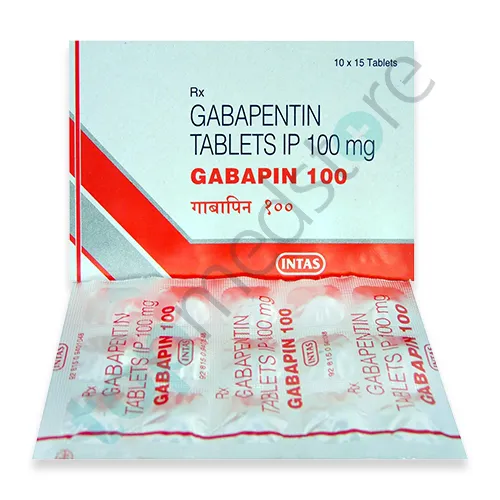
Gabapentin is a prescription medicine used to treat nerve pain, seizures, and certain long-term nerve-related conditions. It is commonly used when nerves become overactive and send pain signals even without a strong injury.
Nerve pain is different from normal pain. It feels like burning, tingling, sharp, or electric shock-like sensations.
Doctors often prescribe Gabapentin capsules or tablets for conditions such as neuropathic pain and epilepsy.
Epilepsy is a brain condition where sudden bursts of abnormal electrical activity can cause seizures. A seizure is a sudden change in brain activity that may lead to shaking, loss of awareness, or unusual movements.
A neurologist is a specialist doctor who treats brain, nerve, and seizure disorders. Neurologists commonly prescribe Gabapentin for nerve pain and epilepsy management.
Gabapentin belongs to a group of medicines called anticonvulsants. These medicines help control abnormal electrical signals in the brain and calm overactive nerves.
The medicine is available in strengths such as Gabapentin 100 mg, 300 mg, and 400 mg capsules or tablets.
Doctors may also use Gabapentin as part of long-term pain management plans for nerve-related conditions.
Gabapentin works by calming overactive nerve signals in the brain and spinal cord.
Nerves are part of the body’s communication system. They send messages between the brain and different body parts.
In nerve pain or epilepsy, these signals become too strong or irregular.
Gabapentin helps reduce the intensity of these abnormal signals.
As nerve activity becomes more stable, pain signals reduce and seizure risk may also decrease.
This helps the brain and nerves function in a more balanced way.
Many patients may notice less burning pain, reduced tingling, and improved comfort during daily activities.
The medicine does not work like a simple painkiller. Instead, it acts on the nervous system to reduce nerve overactivity.
Doctors usually adjust the dose slowly to match the patient’s response and reduce side effects.
Doctors prescribe Gabapentin for several nerve and brain-related conditions.
One major use is treating neuropathic pain. This is long-lasting nerve pain caused by conditions like diabetes, shingles, or nerve injury.
Diabetes-related nerve pain can cause burning or tingling in the hands and feet. Gabapentin may help reduce this discomfort.
The medicine is also used in epilepsy to help control seizures and reduce their frequency.
Some patients use Gabapentin for post-herpetic neuralgia, which is nerve pain that continues after a shingles infection. Shingles is a viral infection that can cause painful skin rashes.
Doctors may also prescribe Gabapentin for other nerve-related pain conditions when standard pain medicines do not work well.
In some cases, it may be used as part of long-term chronic pain management plans.
Gabapentin works by affecting how nerves send signals in the brain and spinal cord.
It helps reduce excessive nerve activity that causes pain or seizures.
The medicine does not completely block nerve signals. Instead, it calms them down so they become less intense.
This helps reduce sudden pain sensations and lowers the chance of seizure activity.
Doctors usually recommend taking Gabapentin regularly for best results.
It may take some time before full benefits are noticed, especially in nerve pain conditions.
Patients should not stop the medicine suddenly without medical advice because it may increase seizure risk or worsen symptoms.
The dose is usually increased slowly to help the body adjust and reduce side effects.
Like all medicines, Gabapentin may cause side effects in some patients. Many side effects are mild and improve over time.
Common side effects include drowsiness, dizziness, tiredness, blurred vision, and unsteady walking.
Some patients may also feel weight gain, dry mouth, or mild swelling in the hands or feet.
Drowsiness means feeling very sleepy or less alert than usual.
Rare but serious side effects need immediate medical attention. Patients should contact a doctor if they develop severe mood changes, depression, difficulty breathing, or allergic reactions such as rash or swelling.
Patients should avoid alcohol because it may increase drowsiness and dizziness.
Older adults may feel side effects more strongly, so careful dose adjustment is important.
This content is for educational purposes only. It does not replace professional medical advice, diagnosis, or treatment. Always consult a neurologist or another licensed healthcare professional before using Gabapentin or changing treatment. Use this medicine only under medical supervision.
| Product name | Gabapentin |
|---|---|
| Category | Epilepsy Medicines |
| Shipping offer | Free shipping on orders of $110.00 or more |
$58.00 – $188.00
$50.00 – $164.00
$55.80 – $183.60
$36.90 – $122.40