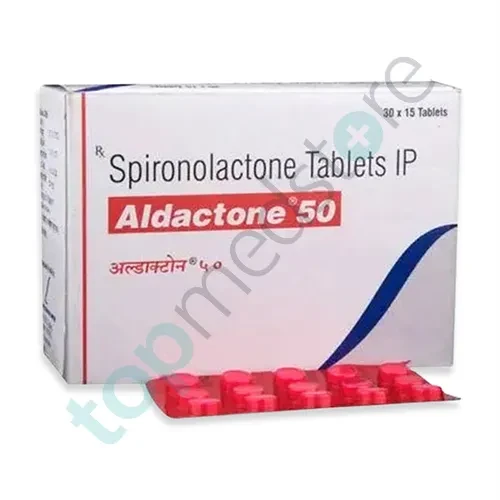
Spironolactone 50mg Tablets
$16.20 – $52.80
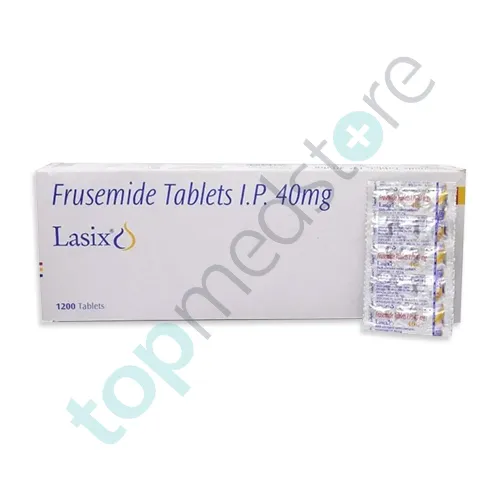
Furosemide is a medicine used to remove extra water and salt from the body. It is commonly prescribed for swelling (edema) and high blood pressure.
Edema means swelling caused by fluid buildup in tissues. This can happen in the legs, ankles, lungs, or other parts of the body.
Furosemide is a strong diuretic medicine. A diuretic is also called a “water pill” because it helps the body pass extra water through urine.
People often search for Furosemide uses, water pill for swelling, diuretic tablets, edema treatment medicine, or blood pressure diuretic drug when learning about this medicine.
A cardiologist or physician usually prescribes Furosemide. A cardiologist is a doctor who treats heart and blood pressure problems.
This medicine helps reduce fluid overload and improves breathing and comfort in many medical conditions.
Furosemide works on the kidneys to increase urine production.
The kidneys are organs that filter waste and extra fluid from the blood and make urine.
Furosemide helps the kidneys remove more salt (sodium) and water from the body. When salt is removed, water follows it, so more urine is produced.
This reduces extra fluid buildup in the body. It helps decrease swelling in the legs, ankles, and other areas.
It can also reduce fluid in the lungs, which helps improve breathing in some patients.
By removing excess fluid, the medicine also helps lower blood pressure and reduces strain on the heart.
Doctors may monitor kidney function and electrolyte levels during treatment.
Doctors prescribe Furosemide for conditions where the body holds too much fluid.
It is commonly used for edema, which is swelling caused by heart failure, kidney disease, or liver problems.
It is also used in high blood pressure (hypertension) when fluid overload is present.
In some cases, it helps reduce fluid buildup in the lungs, improving breathing.
People often search for best water pill, swelling treatment tablets, diuretic for blood pressure, fluid retention medicine, or leg swelling treatment drug when learning about this medicine.
Doctors usually adjust the dose based on the level of swelling and patient condition.
Furosemide works by acting on a specific part of the kidney called the loop of Henle.
This part of the kidney controls how much salt and water is kept or removed in the body.
Furosemide blocks the reabsorption of sodium and chloride. When these salts are not reabsorbed, they are removed through urine.
Water follows these salts, so urine output increases.
This helps reduce excess fluid in the body, decreases swelling, and lowers blood pressure.
By reducing fluid load, the heart does not have to work as hard, which improves overall circulation and breathing comfort.
The effect usually starts quickly, so doctors often monitor patients closely after starting treatment.
Like all medicines, Furosemide may cause side effects in some people. Most are related to fluid and salt loss.
Common side effects include frequent urination, dizziness, dehydration, muscle cramps, and low blood pressure.
Some people may feel weakness or tiredness due to loss of electrolytes.
Electrolytes are important minerals like potassium and sodium that help the body function properly.
Rare side effects may include severe dehydration, irregular heartbeat, hearing changes, or kidney problems.
Patients should contact a doctor if they feel extreme dizziness, muscle weakness, confusion, or very low urine output.
Doctors may recommend blood tests to monitor kidney function and electrolyte balance during treatment.
This information is for educational purposes only. Furosemide should only be used under the supervision of a physician or cardiologist. Always follow prescribed instructions and attend regular medical checkups during treatment.
| Product name | Furosemide |
|---|---|
| Category | Heart Failure & Fluid Retention Medicines |
| Shipping offer | Free shipping on orders of $110.00 or more |
$16.20 – $52.80
$58.50 – $190.80
$36.90 – $118.80
$40.50 – $133.20