
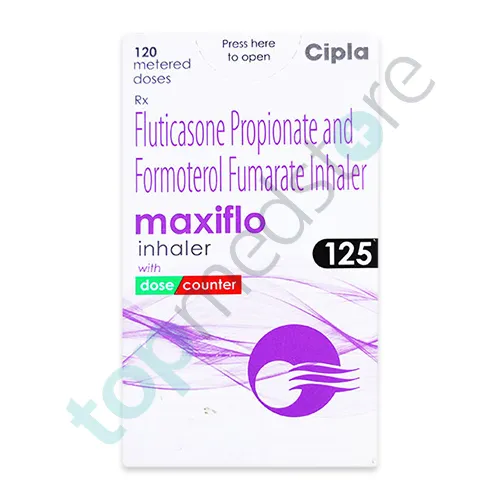
Formoterol-Fluticasone Propionate
- Discreet PackagingPlain, unbranded parcels
- Secure PaymentsEncrypted checkout
- Customer SupportMonday – Saturday, 8 am EST to 8 pm PST
Product Information
What Is Formoterol–Fluticasone Propionate
Formoterol–Fluticasone Propionate is a combination inhaler medicine used for long-term control of asthma and chronic obstructive pulmonary disease (COPD). It helps improve breathing, reduce wheezing, and prevent sudden breathing problems.
Asthma is a condition where the airways in the lungs become swollen and narrow, making breathing difficult.
COPD is a long-term lung disease that slowly blocks airflow and causes ongoing breathlessness and cough.
This medicine is used as a maintenance inhaler, which means it is taken regularly every day to control symptoms. It is not used for sudden asthma attacks or emergency breathing relief.
People often search for Formoterol Fluticasone inhaler uses, asthma control medicine, COPD inhaler treatment, breathing improvement inhaler, or preventer inhaler for asthma when learning about this medicine.
A pulmonologist or physician usually prescribes this medicine. A pulmonologist is a doctor who treats lung and breathing disorders.
What This Medicine Does in the Body
This medicine works in two ways to improve airflow and control inflammation in the lungs.
Fluticasone Propionate reduces inflammation inside the airways. Inflammation means swelling, irritation, and extra mucus that make the airways narrow and sensitive. When inflammation decreases, breathing becomes easier and the lungs react less to triggers like dust, smoke, or pollution.
Formoterol helps relax the muscles around the airways. These muscles can tighten during asthma or COPD, making it hard for air to pass through. When Formoterol relaxes these muscles, the airways open wider and stay open for a longer time.
Together, these two actions improve airflow, reduce breathlessness, and help maintain steady breathing throughout the day and night.
Uses of Formoterol–Fluticasone Propionate / Used For
Doctors prescribe Formoterol–Fluticasone Propionate mainly for long-term management of asthma and COPD.
In asthma, it helps prevent attacks and reduces symptoms like wheezing, coughing, chest tightness, and shortness of breath. It also helps reduce sensitivity of the airways to common triggers such as cold air, dust, or exercise.
In COPD, it helps improve daily breathing, reduces mucus buildup, and lowers the risk of sudden flare-ups. Flare-ups are episodes where breathing becomes suddenly worse due to infection or irritation.
People often search for best asthma inhaler, COPD breathing treatment inhaler, long-term asthma control medicine, breathing difficulty relief inhaler, or preventer inhaler for COPD when learning about this medicine.
This medicine is used daily for control and prevention, not for immediate relief during emergencies.
How Formoterol–Fluticasone Propionate Works
Formoterol–Fluticasone Propionate works by combining anti-inflammatory action with long-lasting airway relaxation.
Fluticasone Propionate reduces swelling and irritation in the airways. It also lowers mucus production, which helps clear blocked breathing passages and improves airflow.
Formoterol works by relaxing smooth muscles in the airways. Smooth muscles are small muscles that control how wide or narrow the airways become. When these muscles relax, breathing becomes easier and air can move freely in and out of the lungs.
Together, these effects help improve lung function, reduce breathing effort, and prevent sudden worsening of symptoms.
Regular use helps maintain stable control of asthma or COPD and supports better quality of life.
Side Effects of Formoterol–Fluticasone Propionate
Like all medicines, Formoterol–Fluticasone Propionate may cause side effects in some people, although most are mild.
Common side effects include throat irritation, hoarseness of voice, cough, headache, dry mouth, and mild tremors. Some patients may feel mild discomfort in the throat after inhalation.
A common side effect is oral thrush, a fungal infection in the mouth that can cause white patches, soreness, or discomfort while eating.
Rare side effects may include fast heartbeat, chest discomfort, dizziness, or temporary worsening of breathing symptoms.
Patients should contact a doctor if they experience severe chest pain, irregular heartbeat, or serious breathing difficulty.
Rinsing the mouth after using the inhaler can help reduce throat and mouth-related side effects.
Medical Disclaimer
This information is for educational purposes only. Formoterol–Fluticasone Propionate should only be used under the supervision of a pulmonologist or qualified healthcare provider. Always follow prescribed instructions and do not use it for sudden breathing attacks.
Product Details
| Product name | Formoterol-Fluticasone Propionate |
|---|---|
| Category | Asthma & COPD Medicines |
| Shipping offer | Free shipping on orders of $110.00 or more |