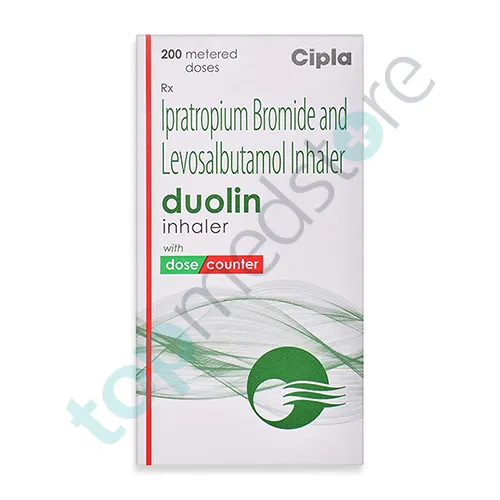
Ipratropium Bromide-LevaSalbutamol 200 Metered Doses
$101.01 – $257.16
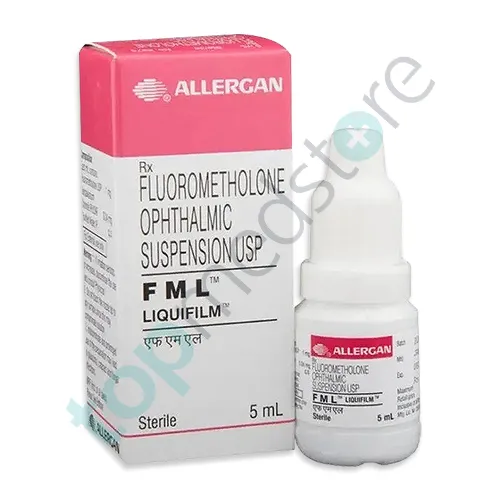
Fluorometholone is a steroid eye medicine used to reduce eye inflammation, redness, swelling, irritation, and allergic reactions. Doctors such as an ophthalmologist, eye specialist, or allergy specialist may prescribe Fluorometholone for different inflammatory eye conditions. This medicine belongs to a group of medicines called corticosteroids.
Eye inflammation can happen because of allergies, infections, surgery, injury, or irritation. When the eyes become inflamed, symptoms may include redness, pain, watering, burning, light sensitivity, or swelling. Fluorometholone helps calm these symptoms and improves eye comfort.
This medicine is commonly available as eye drops or ophthalmic suspension. Ophthalmic means the medicine is specially made for use in the eyes. Doctors may prescribe it for short-term treatment to control inflammation and prevent worsening of symptoms.
Fluorometholone eye drops are often used after eye surgery or for allergic eye conditions. Since steroid eye medicines can cause side effects if misused, patients should follow the doctor’s instructions carefully.
The medicine should not be shared with other people because eye conditions may differ from person to person.
Fluorometholone works by reducing inflammation inside the eyes. Inflammation is the body’s natural response to irritation, allergy, injury, or infection. It can cause redness, swelling, pain, and discomfort.
The medicine blocks inflammatory chemicals that trigger eye irritation and swelling. When these chemicals are reduced, the eyes become less red, less swollen, and more comfortable.
In allergic eye conditions, the immune system reacts strongly to allergens such as dust, pollen, smoke, or pet hair. Fluorometholone helps calm this immune response and reduces allergy symptoms.
When used after eye surgery, the medicine helps lower inflammation and supports healing. Reduced inflammation may also help improve comfort during recovery.
The eye drops mainly work locally in the eyes. Local action means the medicine works mostly in one area instead of affecting the whole body strongly.
Because steroid eye medicines can increase pressure inside the eyes with long-term use, doctors may monitor patients during treatment.
Fluorometholone is used for several inflammatory and allergic eye conditions.
One common use of Fluorometholone eye drops is the treatment of allergic conjunctivitis. Conjunctivitis means inflammation of the thin membrane covering the white part of the eye. Allergic conjunctivitis can cause redness, itching, watering, and irritation.
Doctors also prescribe this medicine for eye inflammation caused by surgery, injury, or irritation.
Another use of Fluorometholone ophthalmic suspension is the treatment of inflammation affecting the outer part of the eye. This may include swelling, redness, burning sensation, or light sensitivity.
Some patients use the medicine after eye procedures to reduce swelling and improve healing comfort.
Doctors may also recommend Fluorometholone for certain inflammatory conditions involving the eyelids or eye surface when steroid treatment is needed.
The medicine is usually prescribed for short-term use because long-term steroid use in the eyes may increase side effects.
Fluorometholone works by blocking inflammatory substances in the eyes. These substances are responsible for redness, swelling, pain, and irritation.
The medicine reduces the activity of immune cells that trigger inflammation. This helps calm allergic reactions and lowers swelling inside the eye tissues.
In allergic eye conditions, Fluorometholone eye drops reduce itching and redness by controlling the body’s inflammatory response.
After eye surgery or injury, the medicine helps decrease tissue swelling and discomfort. Lower inflammation can improve healing and reduce irritation.
Doctors usually advise washing hands before using the eye drops. Patients should avoid touching the dropper tip to prevent contamination. Contamination means germs entering the medicine bottle.
The medicine should be used exactly as prescribed. Using steroid eye drops too often or for too long may increase the risk of complications.
Like all medicines, Fluorometholone may cause side effects in some people. Most side effects are mild and improve after treatment ends.
Common side effects include temporary burning, stinging, blurred vision, eye irritation, or watery eyes after applying the drops.
Some people may feel mild discomfort or sensitivity to light for a short time after use.
Long-term use of Fluorometholone eye drops may increase pressure inside the eyes. Increased eye pressure can damage the optic nerve and may lead to glaucoma. Glaucoma is an eye disease that can affect vision.
In some patients, prolonged steroid use may increase the risk of cataracts. Cataracts make the eye lens cloudy and can reduce clear vision.
Rarely, the medicine may increase the risk of eye infection because steroids reduce immune activity.
Patients should contact a doctor if they experience severe eye pain, major vision changes, swelling, or signs of infection.
People who wear contact lenses should ask their doctor about proper lens use during treatment.
This content is for educational purposes only and should not replace professional medical advice. Fluorometholone should only be used under the supervision of a qualified healthcare professional such as an ophthalmologist, eye specialist, or allergy specialist. Do not use the medicine longer than prescribed or share it with others. Treatment response and side effects may vary depending on the patient’s eye condition, medical history, and overall health.
| Product name | Fluorometholone |
|---|---|
| Category | Eye Infection & Inflammation Treatments |
| Shipping offer | Free shipping on orders of $110.00 or more |
$101.01 – $257.16
$47.69 – $156.08
$27.72 – $90.72
$40.26 – $131.76