Empagliflozin 25mg
$165.00 – $420.00
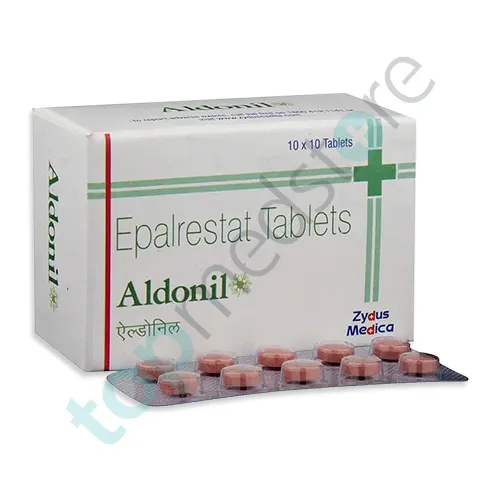
| Product name | Epalrestat 50mg |
|---|---|
| Active Ingredient | Epalrestat |
| Dosage | 50mg |
| Drug Type | Tablets |
| Indication | Diabetic Neuropathy |
| Manufacturer | Zydus Cadila |
Total $65.00
Epalrestat 50mg Tablet is a prescription medicine used for the treatment of diabetic nerve damage, also called diabetic neuropathy. It contains Epalrestat, which belongs to a class of medicines known as aldose reductase inhibitors.
This medicine is mainly prescribed by a diabetologist or physician in patients who have long-term Type 2 diabetes mellitus and develop nerve-related symptoms like burning pain, tingling, numbness, or weakness in hands and feet.
Epalrestat is not a painkiller. It does not give instant relief. It works slowly by protecting nerves from ongoing damage caused by high blood sugar levels.
Epalrestat 50mg Tablet works inside the body by preventing damage caused by excess sugar in nerve cells.
When blood sugar stays high for a long time, glucose enters nerve cells and is converted into a substance called sorbitol. This process is controlled by an enzyme called aldose reductase.
In diabetic patients, too much sorbitol builds up inside nerves. This leads to water retention inside nerve cells, causing swelling, stress, and gradual nerve damage. This is one of the main reasons for diabetic neuropathy symptoms.
Epalrestat blocks the aldose reductase enzyme, which reduces sorbitol formation. This helps prevent nerve swelling and protects nerve cells from further damage.
Over time, this supports better nerve function and may reduce symptoms such as burning sensation, pins and needles, numbness, and nerve pain, especially in the lower limbs.
Since nerve recovery is slow, the medicine works gradually and requires consistent use along with good diabetes control.
Epalrestat 50mg Tablet is mainly used for the treatment and management of diabetic peripheral neuropathy.
This condition occurs when long-term high blood sugar levels damage the peripheral nerves, especially in the feet and legs.
It is used to help reduce symptoms such as burning pain, tingling sensation, numbness, reduced sensitivity, and electric shock-like pain in limbs.
Doctors prescribe this medicine when early signs of nerve damage appear, with the goal of slowing disease progression and improving nerve health.
It is also used as part of a diabetes complication management plan, along with strict blood sugar control, diet modification, and regular physical activity.
In some cases, it may help improve nerve conduction and quality of life in diabetic patients by reducing discomfort caused by nerve damage.
However, it is important to understand that Epalrestat does not cure diabetes or reverse severe nerve damage completely. It mainly helps protect nerves from further deterioration.
Epalrestat works by targeting a harmful chemical process inside nerve cells caused by diabetes.
In normal conditions, glucose is used for energy in the body. But in uncontrolled diabetes, excess glucose enters nerve cells and is converted into sorbitol through the action of the enzyme aldose reductase.
When sorbitol accumulates, it causes osmotic stress, meaning water gets pulled into nerve cells. This leads to swelling, reduced oxygen supply, and gradual nerve damage.
Epalrestat blocks the aldose reductase enzyme, reducing the formation of sorbitol. This helps prevent nerve swelling and protects nerve fibers from further injury.
By improving nerve cell environment, it supports better nerve signal transmission and reduces neuropathic pain symptoms.
Since nerve repair takes time, results are gradual and depend heavily on long-term diabetes control.
Epalrestat 50mg Tablet is generally well tolerated when used under proper medical supervision.
Common side effects include nausea, mild stomach discomfort, loss of appetite, or headache. These effects are usually mild and temporary.
Some patients may experience mild changes in liver enzymes, so doctors may recommend periodic liver function tests during treatment.
Rare side effects include skin rash, itching, or allergic reactions. If such symptoms occur, medical attention should be taken.
In very rare cases, digestive discomfort or fatigue may be noticed during early treatment.
Regular monitoring is important, especially in long-term therapy, to ensure safe and effective use.
This content is for educational purposes only and is not a substitute for professional medical advice. Epalrestat 50mg Tablet should only be used under the supervision of a qualified healthcare professional such as a diabetologist or physician. Do not start, stop, or change the dose without medical guidance. Proper blood sugar control, lifestyle management, and regular medical follow-up are essential for safe and effective treatment of diabetic neuropathy.
$165.00 – $420.00
$77.00 – $252.00
$70.00 – $229.60
$60.20 – $197.12