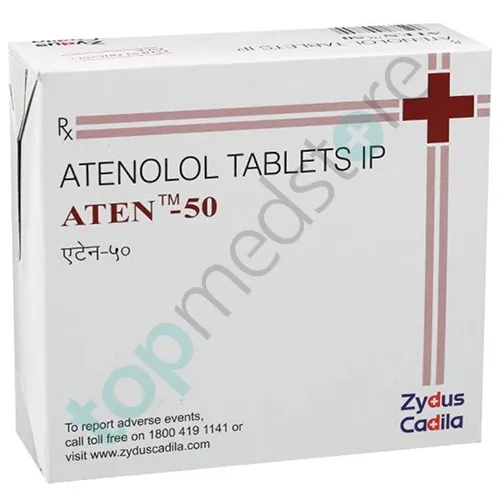
Atenolol 50mg
$50.40 – $129.92
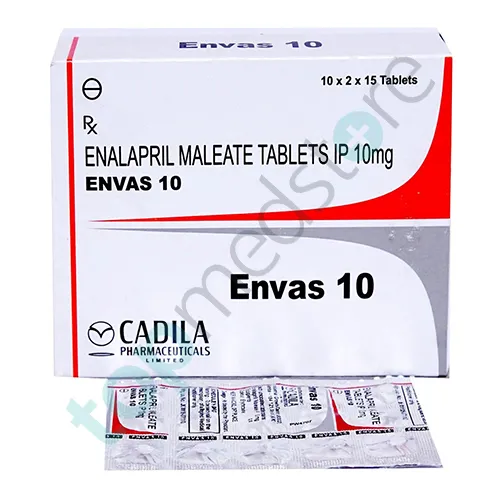
| Product name | Enalapril 10mg |
|---|---|
| Active Ingredient | Enalapril |
| Dosage | 10mg |
| Drug Type | Tablets |
| Indication | Hypertension |
| Manufacturer | Cadila Pharmaceuticals Ltd |
Total $60.00
Enalapril 10mg is a prescription medicine used to treat high blood pressure (hypertension), heart failure, and to support heart function in certain cardiovascular conditions. It is commonly prescribed by a physician or cardiologist for long-term blood pressure control and heart protection.
This medicine belongs to a group called ACE inhibitors (Angiotensin-Converting Enzyme inhibitors, which are medicines that help relax blood vessels and reduce blood pressure).
In simple words, Enalapril helps lower blood pressure and reduces strain on the heart so blood can flow more easily through the body.
Blood pressure in the body is controlled by hormones that regulate how tight or relaxed the blood vessels are. One important system involved is the renin-angiotensin system (a hormone system that controls blood pressure and fluid balance in the body).
Within this system, the body produces a hormone called angiotensin II (a natural chemical that tightens blood vessels and increases blood pressure). When this hormone is active, blood vessels become narrow and the heart has to work harder to pump blood.
Enalapril works by blocking the enzyme called ACE (Angiotensin-Converting Enzyme, which is responsible for producing angiotensin II).
When ACE is blocked, the level of angiotensin II decreases. This causes blood vessels to relax and widen, allowing blood to flow more smoothly and reducing blood pressure.
At the same time, it reduces the workload on the heart, making it easier for the heart to pump blood efficiently.
In simple words, this medicine helps relax blood vessels and reduces pressure on the heart so circulation improves.
Enalapril 10mg is mainly used for high blood pressure (hypertension), helping to keep blood pressure under control and reduce the risk of stroke and heart complications.
It is also used in heart failure, a condition where the heart becomes weak and cannot pump blood effectively, leading to fatigue, breathlessness, and fluid buildup.
Doctors may prescribe it to support patients with cardiovascular risk factors, helping protect the heart and blood vessels over time.
In some cases, it is used after a heart attack to support recovery and improve long-term heart function.
In clinical practice, a cardiologist or physician uses this medicine when strong and sustained blood pressure control and heart protection are required.
Enalapril belongs to a class of medicines called ACE inhibitors (drugs that block the enzyme responsible for producing a blood vessel–narrowing hormone).
By blocking ACE, the formation of angiotensin II is reduced. This allows blood vessels to relax and widen.
When blood vessels are wider, blood flows more easily, which lowers blood pressure. This also reduces the strain on the heart and improves overall circulation.
It also helps reduce fluid buildup in heart failure by improving kidney and circulatory function.
In simple words, this medicine works by relaxing blood vessels and helping the heart pump blood with less effort.
Some people may experience a dry cough, which is a known effect of ACE inhibitors due to changes in certain body chemicals.
There may be dizziness or lightheadedness, especially when starting treatment or standing up quickly.
Some individuals may feel fatigue or weakness, as blood pressure begins to stabilize.
In some cases, increased potassium levels (hyperkalemia, meaning excess potassium in the blood that can affect heart rhythm) may occur.
Rarely, low blood pressure or kidney function changes may be seen, especially in patients with underlying health conditions.
Most side effects are mild and can be managed with proper medical supervision.
This medicine should be used only under the supervision of a physician or cardiologist.
Regular monitoring of blood pressure and kidney function is important during treatment.
Avoid sudden standing up, as it may cause dizziness due to lowered blood pressure.
Inform your doctor if you have kidney disease, liver problems, or high potassium levels before starting treatment.
Avoid potassium supplements or salt substitutes unless prescribed by a doctor.
Do not stop the medicine suddenly without medical advice.
This content is for informational purposes only and does not replace medical advice, diagnosis, or treatment. Always consult your physician or cardiologist before starting or changing any medicine.
$50.40 – $129.92
$75.00 – $192.00
$35.28 – $89.60
$18.30 – $46.80