
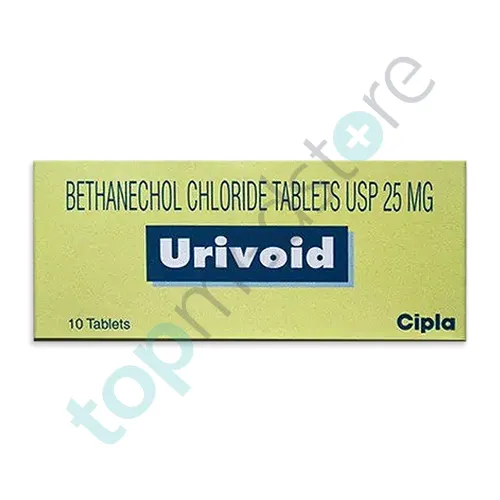
Bethanechol 25mg
$44.50 – $146.00
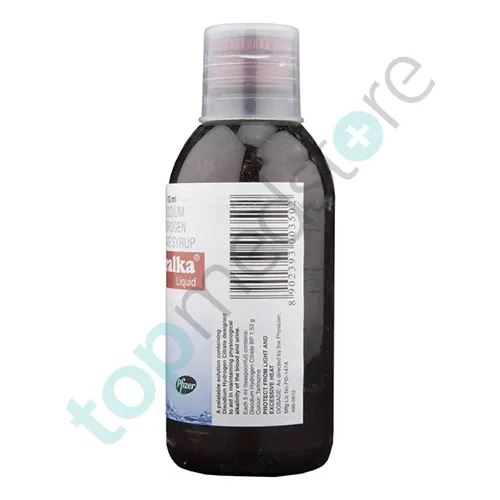
| Product name | Disodium Hydrogen Citrate (1.53gm/5ml) |
|---|---|
| Active Ingredient | Disodium Hydrogen Citrate |
| Dosage | 1.53gm-5ml |
| Drug Type | Bottles |
| Indication | Urinary Alkalization |
| Manufacturer | Pfizer Ltd |
Disodium Hydrogen Citrate 1.53gm-5ml Oral Liquid Solution
In stock
Total $72.00
Disodium Hydrogen Citrate syrup (1.53gm/5ml) is a prescription urinary alkalinizer used to treat burning urination, urinary tract irritation, and kidney stone problems. It is a liquid medicine that is easy to take. A urologist (urinary specialist) or general physician usually prescribes this medicine.
This syrup contains disodium hydrogen citrate as the active ingredient. It works by reducing the acid level in urine. Acidic urine can cause pain during urination and increase the risk of urinary stones.
Doctors often recommend this medicine for short-term relief of urinary symptoms and for managing urine pH balance.
Disodium Hydrogen Citrate syrup works by making the urine less acidic. This process is called urinary alkalinization.
When urine is too acidic, it can irritate the lining of the urinary tract. This can cause burning sensation, discomfort, and pain during urination.
After taking the syrup, it is converted into bicarbonate in the body. Bicarbonate neutralizes excess acid.
This increases the urine pH, which means the urine becomes more alkaline. This helps reduce irritation and supports healing of the urinary tract.
It also helps prevent the formation of certain kidney stones, especially uric acid stones.
Doctors prescribe Disodium Hydrogen Citrate syrup for various urinary conditions. A urologist decides the appropriate use.
It is commonly used to relieve burning urination. This symptom often occurs in urinary tract infection (UTI), which is an infection in the bladder or urinary system.
It is also used in kidney stone management. It helps reduce the formation of uric acid stones by changing urine pH.
The medicine is useful in urinary acidity, where urine becomes too acidic and causes discomfort.
In some cases, it is used as supportive treatment in UTIs along with antibiotics.
Disodium Hydrogen Citrate mechanism of action involves changing the acid-base balance in urine.
After intake, it is metabolized into bicarbonate, which acts as a base. This neutralizes excess acid in the urine.
This raises the urine pH level. A higher pH reduces irritation in the urinary tract.
It also prevents the crystallization of uric acid, which reduces the risk of stone formation.
This combined effect helps relieve symptoms and supports urinary health.
Disodium Hydrogen Citrate side effects are usually mild.
Common side effects include stomach discomfort, nausea, and vomiting. Some patients may experience bloating or mild abdominal pain.
In some cases, it may cause diarrhea.
If taken in high amounts, it may disturb the body’s electrolyte balance. This can lead to symptoms like weakness or confusion.
Rarely, allergic reactions may occur. Seek medical help if symptoms become severe.
Disodium Hydrogen Citrate syrup (1.53gm/5ml) should be taken as advised by a urologist or doctor.
Always dilute the syrup in water before taking it, if instructed. This helps improve tolerance.
Patients with kidney disease, heart problems, or high sodium levels should inform their doctor before use.
Drink plenty of water during treatment. This helps flush the urinary system and supports recovery.
Avoid self-medication for long periods. If symptoms persist, further evaluation is needed.
Pregnant or breastfeeding women should consult a gynecologist before use.
Follow the prescribed dose carefully. Do not take more than recommended.
If prescribed, you can order Disodium Hydrogen Citrate (1.53gm/5ml) syrup online from trusted pharmacy sources and continue your urinary treatment safely.
This content is for educational purposes only. It does not replace medical advice. Always consult a urologist or healthcare professional before using Disodium Hydrogen Citrate (1.53gm/5ml).
$44.50 – $146.00
$44.50 – $146.00
$72.00 – $235.68