
Diphenoxylate-Atropine
$54.60 – $177.60
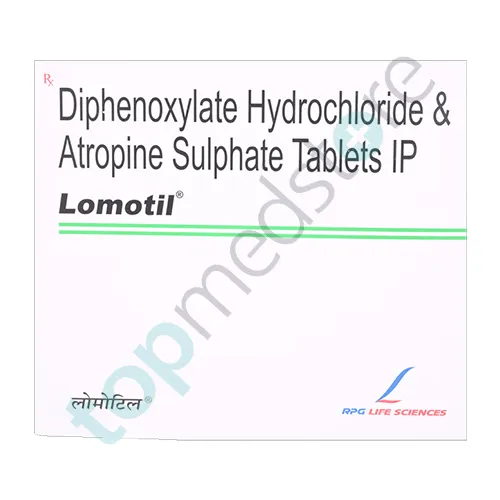
| Product name | Diphenoxylate-Atropine 2.5mg-0.025mg |
|---|---|
| Active Ingredient | Diphenoxylate - Atropine |
| Dosage | 2.5mg-0.025mg |
| Drug Type | Tablets |
| Indication | Diarrhea |
| Manufacturer | RPG Life Science |
Diphenoxylate - Atropine 2.5mg-0.025mg Tablets
Out of stock
Total $54.60
Diphenoxylate and Atropine 2.5mg-0.025mg is a medicine used to treat diarrhea. It helps slow bowel movement and reduces frequent loose stools.
This medicine contains two active ingredients. Diphenoxylate slows down the movement of the intestines. Atropine is added in a very small amount to help prevent misuse of the medicine.
Doctors commonly prescribe this medicine for short-term or long-term diarrhea caused by bowel disorders, infections, or digestive irritation.
Diarrhea can cause frequent watery stools, stomach cramps, dehydration, weakness, and discomfort. This medicine helps the body hold stool longer inside the intestines, which allows the body to absorb more water.
Gastroenterologists and general physicians may prescribe Diphenoxylate-Atropine tablets for patients with severe or uncontrolled diarrhea.
Patients should also drink enough fluids during diarrhea treatment to help prevent dehydration.
After you take Diphenoxylate-Atropine 2.5mg-0.025mg, the medicine enters the digestive system and starts working on the intestines.
Diphenoxylate slows the movement of the intestines. Slower bowel movement gives the body more time to absorb water and salts from stool.
This action helps reduce loose stools and decreases the number of bowel movements.
Atropine works in small amounts and mainly helps discourage misuse of the medicine. It may also slightly reduce intestinal spasms.
As bowel movement becomes slower, patients may notice better stool control and less stomach discomfort.
The medicine helps improve symptoms but does not always treat the main cause of diarrhea. Doctors may still need to identify and treat the underlying condition.
Doctors prescribe Diphenoxylate-Atropine 2.5mg-0.025mg mainly for the treatment of diarrhea.
The medicine may help patients with sudden diarrhea caused by stomach infection, food-related illness, digestive irritation, or bowel disorders.
Doctors may also use this medicine for chronic diarrhea linked with certain intestinal conditions.
The medicine helps reduce frequent loose stools, bowel urgency, and repeated bathroom visits.
Some patients may use this medicine during digestive recovery after stomach illness or intestinal irritation.
Doctors may prescribe additional treatment if infection, dehydration, or another medical condition causes the diarrhea.
Patients with liver disease, ulcerative colitis, bowel blockage, glaucoma, or severe dehydration should inform their doctor before using this medicine.
This medicine should not be used without proper medical advice, especially in children or elderly patients.
Diphenoxylate works by slowing muscle movement inside the intestines.
When food and stool move more slowly through the digestive system, the body absorbs more water from the intestines.
This process helps make stool firmer and reduces diarrhea.
Atropine supports the treatment and helps reduce the risk of medicine misuse.
Together, the combination helps control bowel movement and improves stool consistency.
The medicine may also help reduce stomach cramps and bowel urgency in some patients.
Doctors usually recommend short-term use unless ongoing medical supervision is needed.
Patients should follow the prescribed dose carefully and avoid taking extra doses.
Like all medicines, Diphenoxylate-Atropine 2.5mg-0.025mg can cause side effects in some people.
Common side effects include drowsiness, dizziness, dry mouth, nausea, stomach discomfort, tiredness, or constipation.
Some patients may feel sleepy after taking the medicine. Patients should avoid driving or operating machinery if drowsiness occurs.
Rare but serious side effects include severe stomach swelling, breathing problems, fast heartbeat, confusion, severe constipation, or allergic reactions.
Severe diarrhea may also cause dehydration. Symptoms of dehydration include weakness, dry mouth, dizziness, or reduced urination.
Patients should seek immediate medical help if serious symptoms appear.
Doctors may stop the medicine if diarrhea becomes severe, bloody, or linked with high fever.
This content provides educational information only. It does not replace medical advice, diagnosis, or treatment. Always consult a physician, gastroenterologist, or healthcare professional before using Diphenoxylate-Atropine 2.5mg-0.025mg. Use this medicine only as prescribed and maintain proper hydration during diarrhea treatment.
$54.60 – $177.60