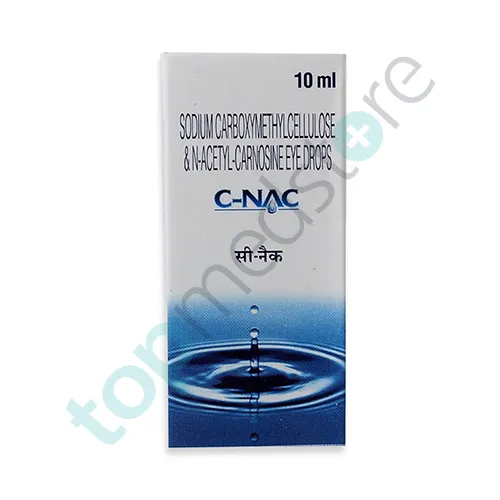
C-Nac Eye Drop 10ml
$78.00 – $255.24
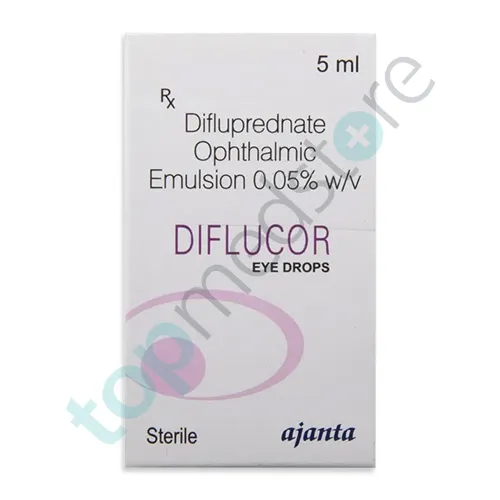
Difluprednate is a prescription steroid eye medicine used to reduce eye inflammation, redness, swelling, and pain. It belongs to a group of medicines called corticosteroids. Corticosteroids help control inflammation inside the body.
Doctors commonly prescribe Difluprednate eye drops after eye surgery or for certain inflammatory eye conditions. Inflammation means redness, irritation, swelling, warmth, or discomfort in the affected area.
This medicine is often used after procedures like cataract surgery to help the eye heal properly and stay comfortable during recovery. Cataract surgery is a procedure used to remove the cloudy lens from the eye.
An ophthalmologist usually prescribes Difluprednate. An ophthalmologist is a medical doctor who specializes in eye diseases, eye surgery, and vision care.
People searching for steroid eye drops, eye inflammation treatment, eye swelling medicine, or post-surgery eye drops may receive Difluprednate after proper medical examination.
Difluprednate is not an antibiotic. It does not kill bacteria or treat infections. It mainly works by lowering inflammation and controlling the body's immune response inside the eye.
This medicine is available as an ophthalmic emulsion. An ophthalmic emulsion is a liquid eye medicine specially designed for use in the eyes.
Difluprednate works directly inside the eye to reduce inflammation and irritation. After the drops enter the eye, the medicine blocks inflammatory chemicals that cause swelling, redness, pain, and discomfort.
The body naturally releases inflammatory chemicals after surgery, injury, allergies, or eye disease. These chemicals help the body react to irritation, but too much inflammation can damage eye tissues and increase discomfort.
Difluprednate helps calm this response and protects sensitive eye structures from further irritation.
This medicine may help reduce symptoms such as eye redness, watery eyes, swelling, blurry vision caused by inflammation, and sensitivity to light. Sensitivity to light means discomfort when exposed to bright light or sunlight.
After eye surgery, inflammation can slow healing and make the eye painful. Difluprednate ophthalmic emulsion helps improve comfort and supports recovery during the healing process.
The medicine acts locally inside the eye, which means most of its effect stays in the treated area rather than spreading through the whole body.
Because Difluprednate is a strong steroid medicine, doctors usually recommend using it for a specific period only. Long-term use may increase pressure inside the eye or raise the risk of other eye problems.
Doctors prescribe Difluprednate for several inflammatory eye conditions.
One of the most common uses is the treatment of eye inflammation after cataract surgery. Cataract surgery can trigger redness, swelling, irritation, and discomfort during healing. Difluprednate helps reduce these symptoms.
This medicine is also used for anterior uveitis. Uveitis means inflammation inside the eye. Anterior uveitis affects the front part of the eye and may cause redness, eye pain, blurred vision, and light sensitivity.
Doctors may prescribe Difluprednate eye drops for inflammatory conditions affecting the cornea, conjunctiva, or other eye tissues when steroid treatment is needed.
Some patients with severe eye allergies or inflammatory reactions may also receive this medicine under careful medical supervision.
People often search for eye inflammation relief, steroid drops after eye surgery, red eye treatment, uveitis eye drops, or post-operative eye care medicine when learning about Difluprednate.
This medicine should only be used exactly as prescribed by an ophthalmologist because improper steroid use may worsen certain eye infections or increase eye pressure.
Difluprednate works by blocking the release of inflammatory substances inside the eye. These substances are chemicals that trigger swelling, redness, pain, and irritation.
When the medicine reduces inflammation, the eye becomes less swollen and more comfortable. This helps patients recover more easily after surgery or inflammatory eye conditions.
The medicine also helps stabilize immune reactions in the eye. The immune system protects the body from injury and infection, but sometimes it creates excessive inflammation that damages healthy tissues.
Difluprednate helps control this excessive response and lowers irritation.
Many patients notice improvement in redness and discomfort within a few days, but full recovery may take longer depending on the eye condition.
Patients should wash their hands before using the drops and avoid touching the dropper tip to the eye or skin. This helps prevent contamination. Contamination means germs entering the medicine bottle.
People who wear contact lenses may need to avoid using lenses during treatment because contact lenses can increase irritation or slow healing.
Doctors may gradually reduce the dose before stopping treatment completely. This helps prevent inflammation from returning suddenly.
Like all medicines, Difluprednate may cause side effects in some people. Most side effects are mild and temporary.
Common side effects include blurred vision, eye irritation, watery eyes, burning sensation, itching, or mild discomfort after using the drops.
Some patients may develop increased pressure inside the eye during treatment. High eye pressure may damage the optic nerve over time. The optic nerve carries visual signals from the eye to the brain.
Long-term steroid use may increase the risk of glaucoma or cataracts. Glaucoma is an eye disease caused by increased pressure inside the eye that can damage vision.
Steroid eye drops may also increase the risk of secondary eye infections in some patients because steroids can weaken the body's natural immune response.
Rare but serious side effects include severe eye pain, sudden vision changes, swelling, or worsening redness. Patients should contact an ophthalmologist immediately if these symptoms appear.
Patients with viral eye infections, fungal eye disease, or untreated bacterial eye infections should inform their doctor before using Difluprednate because steroids may worsen some infections.
This content is for informational and educational purposes only. It does not replace professional medical advice, diagnosis, or treatment. Difluprednate should only be used under the supervision of an ophthalmologist, a doctor who specializes in eye diseases and eye surgery. Always follow the prescribed dosage and treatment instructions. Do not self-medicate or share prescription eye medicines with others.
| Product name | Difluprednate |
|---|---|
| Category | Eye Infection & Inflammation Treatments |
| Shipping offer | Free shipping on orders of $110.00 or more |
$78.00 – $255.24
$115.49 – $378.00
$39.57 – $129.48
$144.00 – $471.24