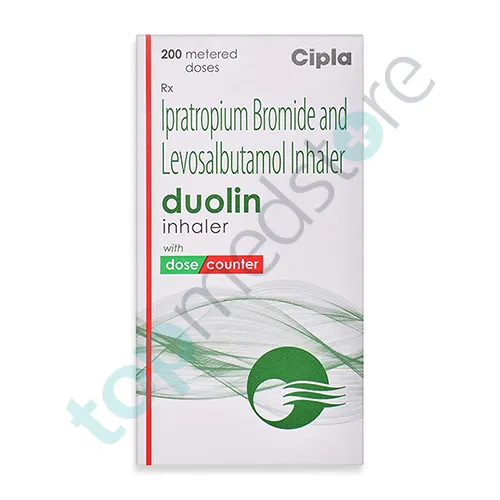
Ipratropium Bromide-LevaSalbutamol 200 Metered Doses
$101.01 – $257.16

Diclofenac Diethylamine is a pain-relief medicine used to reduce pain, swelling, stiffness, and inflammation in muscles and joints. Doctors such as an orthopedic doctor, rheumatologist, sports medicine specialist, or general physician may prescribe this medicine for muscle pain, joint problems, and injury-related inflammation. It belongs to a group of medicines called non-steroidal anti-inflammatory drugs (NSAIDs).
This medicine is commonly available as a gel, cream, spray, or topical solution that is applied directly to the skin. Topical means the medicine is used on the outside of the body. Unlike oral painkillers, Diclofenac Diethylamine gel works mainly in the affected area and may cause fewer stomach-related side effects.
People often use this medicine for conditions such as back pain, neck pain, sprains, sports injuries, arthritis, and muscle swelling. Pain and inflammation can make movement difficult and affect daily activities. Diclofenac Diethylamine helps reduce discomfort and improves movement.
Inflammation is the body’s natural reaction to injury or irritation. It can cause swelling, warmth, redness, and pain. This medicine helps calm that reaction and provides relief.
Doctors usually recommend using the medicine for short-term relief unless longer treatment is medically necessary.
Diclofenac Diethylamine works by reducing inflammation and blocking pain signals in the affected area. The body produces chemicals called prostaglandins during injury or inflammation. Prostaglandins are chemicals that cause pain, swelling, and stiffness.
This medicine blocks the production of these chemicals. As prostaglandin levels decrease, pain and swelling also reduce. This helps muscles and joints move more comfortably.
When applied to the skin, Diclofenac Diethylamine gel gets absorbed into nearby tissues such as muscles, tendons, and joints. Tendons are strong tissues that connect muscles to bones. The medicine works directly where pain and inflammation are present.
In arthritis and joint pain, the medicine helps reduce swelling and stiffness. In sports injuries and muscle strain, it helps calm tissue irritation and improve comfort during movement.
Because the medicine mainly works locally, it usually produces fewer whole-body side effects compared to some oral pain medicines. However, patients should still use it carefully and follow medical advice.
Diclofenac Diethylamine is used for many painful muscle and joint conditions.
One common use of Diclofenac Diethylamine gel is the treatment of muscle pain. Muscle pain may happen because of overuse, exercise, heavy lifting, or injury. The medicine helps reduce pain and swelling in the affected muscles.
Doctors also prescribe this medicine for joint pain and arthritis. Arthritis causes joint swelling, stiffness, and pain. Diclofenac Diethylamine helps improve movement and lowers discomfort.
Another common use is for sprains and strains. A sprain happens when a ligament gets stretched or injured. Ligaments are tissues that connect bones together. A strain affects muscles or tendons. The medicine helps reduce swelling and pain caused by these injuries.
Some people use Diclofenac Diethylamine spray or cream for back pain, neck pain, shoulder pain, or sports injuries.
Doctors may also recommend this medicine for tendon inflammation, soft tissue injury, or swelling caused by physical activity.
In some cases, patients with osteoarthritis may use the medicine regularly to manage pain and stiffness in joints such as the knees or hands.
Diclofenac Diethylamine works by blocking enzymes called COX enzymes. These enzymes help produce prostaglandins, which cause pain and inflammation.
When the medicine blocks these enzymes, the body produces fewer inflammatory chemicals. This helps reduce pain, swelling, redness, and stiffness.
After application, Diclofenac Diethylamine gel passes through the skin and reaches the affected tissues underneath. It mainly acts around the painful area instead of affecting the entire body strongly.
In injuries and muscle strain, the medicine helps calm irritated tissues and improves comfort during movement.
In arthritis, Diclofenac Diethylamine lowers joint inflammation and stiffness. This may help improve flexibility and daily activity.
Doctors usually advise applying a thin layer on clean and dry skin. Patients should avoid applying the medicine on broken skin, cuts, wounds, or infected areas.
Hands should be washed after application unless the hands themselves are being treated.
Like all medicines, Diclofenac Diethylamine may cause side effects in some people. Most side effects are mild and happen around the area where the medicine is applied.
Common side effects include skin redness, itching, dryness, burning sensation, or mild irritation. These symptoms usually improve after stopping the medicine.
Some people may develop skin rash or increased sensitivity to sunlight. Patients should avoid excessive sunlight exposure on treated skin areas.
Although rare, excessive use of Diclofenac Diethylamine gel may allow some medicine to enter the bloodstream. This can increase the risk of side effects such as stomach pain, nausea, headache, or dizziness.
Patients who are allergic to NSAID medicines may develop severe allergic reactions. Symptoms may include swelling, breathing difficulty, or severe rash. Immediate medical help is needed if these symptoms occur.
People with asthma, stomach ulcers, kidney disease, or heart disease should inform their doctor before using this medicine.
Children and older adults should use the medicine carefully and follow medical advice closely.
This content is for educational purposes only and should not replace professional medical advice. Diclofenac Diethylamine should only be used under the guidance of a qualified healthcare professional such as an orthopedic doctor, rheumatologist, sports medicine specialist, or general physician. Do not use the medicine longer than recommended or apply excessive amounts without medical supervision. Treatment response and side effects may vary depending on the patient’s medical condition and overall health.
| Product name | Diclofenac Diethylamine |
|---|---|
| Category | Pain Relief & Anti-Inflammatory Medicines |
| Shipping offer | Free shipping on orders of $110.00 or more |
$101.01 – $257.16
$47.69 – $156.08
$27.72 – $90.72
$40.26 – $131.76