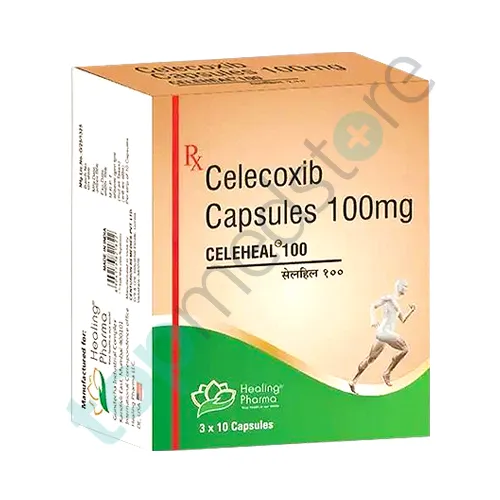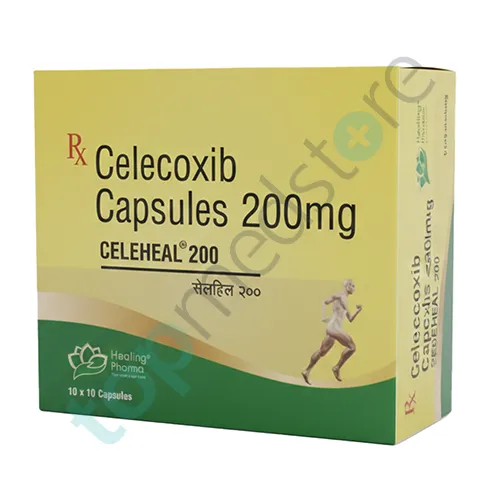
Celecoxib 200mg
$28.50 – $92.40
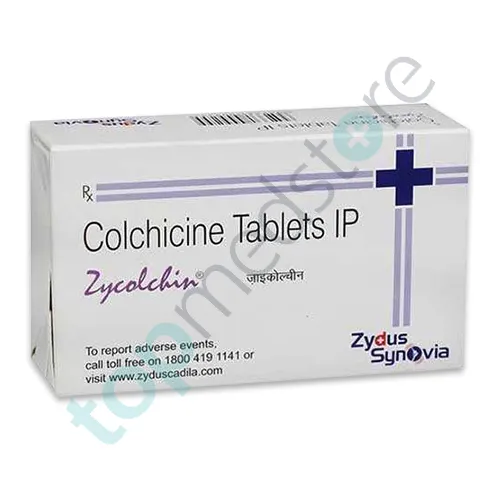
Colchicine is a prescription medicine used to treat and prevent gout attacks. It is commonly prescribed by a rheumatologist (joint and arthritis specialist).
Gout is a type of arthritis. Arthritis means pain and swelling in joints. In gout, sudden attacks of severe pain, redness, and swelling happen, often in the big toe, ankle, or knee.
Colchicine tablets help reduce pain, swelling, and inflammation during gout attacks and also help prevent future attacks.
Colchicine works by reducing inflammation caused by uric acid crystals.
Uric acid is a natural waste product in the body. Normally, it is removed through urine. But if uric acid becomes too high, it forms sharp crystals inside joints.
These crystals irritate the joints and trigger strong inflammation.
Inflammation means redness, swelling, heat, and pain in the affected area.
Colchicine medicine does not reduce uric acid directly. Instead, it reduces how the body reacts to uric acid crystals.
It stops certain white blood cells from reaching the affected joint. White blood cells are part of the immune system and normally fight infection, but in gout they increase inflammation and pain.
By reducing this immune response, Colchicine helps control pain and swelling.
Doctors prescribe Colchicine mainly for gout and related conditions.
It is commonly used in:
Acute gout attack means sudden and severe joint pain that can last for hours or days.
Familial Mediterranean fever is a genetic condition that causes repeated episodes of fever and inflammation.
A rheumatologist prescribes this medicine based on symptoms, uric acid levels, and attack frequency.
It is often used alongside lifestyle changes and uric acid control medicines.
Colchicine works by controlling the body’s inflammatory response to uric acid crystals.
When uric acid crystals build up in joints, the immune system reacts strongly. It sends white blood cells to the area, causing swelling and pain.
Colchicine medicine blocks the movement of these white blood cells.
White blood cells are immune cells that normally protect the body, but in gout they increase inflammation instead of helping.
By stopping these cells from reaching the joint, Colchicine reduces inflammation and pain.
It also helps shorten the duration of gout attacks and reduces severity of symptoms.
Over time, it helps improve comfort and joint movement during flare-ups.
Like all medicines, Colchicine may cause side effects, especially if taken in high doses.
Common side effects include nausea, vomiting, stomach pain, and diarrhea. Diarrhea means loose or frequent stools.
Some patients may feel weakness or fatigue during treatment.
Rare but serious side effects include low blood cell counts, which can affect immunity and increase infection risk.
Blood cells are important parts of the body that help fight infection, carry oxygen, and stop bleeding.
A rheumatologist carefully adjusts the dose to avoid toxicity and ensure safe use.
This content is for educational purposes only. It is not a substitute for professional medical advice, diagnosis, or treatment. Always consult a rheumatologist or qualified healthcare provider before using Colchicine tablets for gout or inflammatory conditions.
| Product name | Colchicine |
|---|---|
| Category | Pain & Muscle Health |
| Shipping offer | Free shipping on orders of $110.00 or more |
$28.50 – $92.40
$18.90 – $62.40
$16.50 – $54.00
$117.00 – $384.00