Atenolol 50mg
$50.40 – $129.92
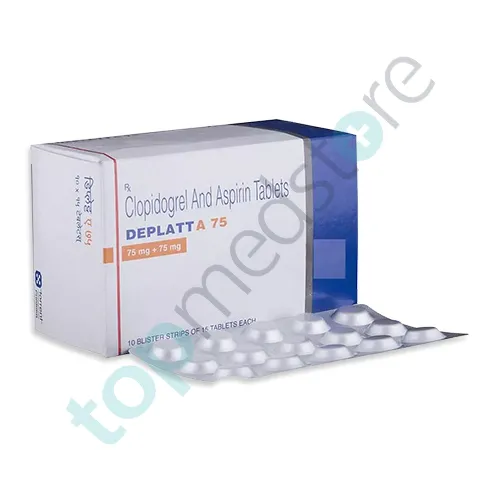
Clopidogrel-Aspirin is a prescription medicine that helps prevent harmful blood clots. It contains two active ingredients: clopidogrel and aspirin. Both medicines stop blood cells called platelets from sticking together too easily.
Blood clots can block blood flow to the heart or brain. In some people, this can lead to a heart attack or stroke. Doctors may prescribe this medicine to lower the risk of these problems.
Your doctor may recommend Clopidogrel-Aspirin tablets after certain heart problems or procedures, such as having a stent placed in a heart artery. The right treatment depends on your medical history and risk of bleeding.
Product approval and prescription rules vary by country and formulation. Check the product information and follow your doctor's advice before buying this medicine. Always choose a trusted pharmacy that follows local medicine sales rules.
Doctors use Clopidogrel-Aspirin to help prevent blood clots in people who need treatment with two antiplatelet medicines. These medicines can help protect blood flow through important blood vessels.
Your doctor may prescribe this combination for the following reasons:
After a heart attack: It can help lower the risk of another heart attack in suitable patients.
Acute coronary syndrome: It can help prevent harmful clots in people with certain serious heart conditions.
After heart stent placement: It helps lower the risk of a clot forming inside a coronary stent.
Selected stroke-related conditions: Doctors may use antiplatelet treatment to lower the risk of certain clot-related events in appropriate patients.
This medicine does not treat every type of heart disease or stroke. Your doctor will decide whether you need both ingredients and how long you should take them.
If you already use another medicine to prevent blood clots, tell your doctor before starting this combination.
Your body uses platelets to stop bleeding when a blood vessel gets damaged. Sometimes, platelets stick together inside a blood vessel when they should not. This can create a clot that blocks blood flow.
Clopidogrel blocks signals that tell platelets to stick together. Aspirin reduces the production of a substance that helps platelets form clots. Together, these medicines make unwanted clots less likely to form.
Your doctor may recommend this combination when you need both medicines to protect your heart or blood vessels.
Possible benefits include:
Helps prevent harmful blood clots in suitable patients.
Supports heart health after certain heart-related events.
Helps protect coronary stents when used as prescribed.
Provides two types of antiplatelet action in one treatment plan.
The benefits depend on your condition and bleeding risk. This medicine does not remove existing clots or replace emergency treatment for a heart attack or stroke.
Like other medicines, Clopidogrel-Aspirin can cause side effects. Some people notice mild problems, while others may not experience any.
Possible side effects include:
Bruising more easily
Nosebleeds
Bleeding gums
Stomach pain or discomfort
Indigestion
Diarrhea
The main safety concern is bleeding. Contact your doctor if you notice unusual bruising, repeated nosebleeds, or bleeding that lasts longer than expected.
Get urgent medical help if you notice black stools, vomit containing blood, blood in your urine, or a severe headache with no clear cause. Seek emergency care if bleeding will not stop.
Rarely, this medicine can cause a serious allergic reaction. Get emergency help if you develop swelling of the face or throat or have trouble breathing.
Do not ignore unusual symptoms. Your doctor can help you decide whether you need medical attention or a change in treatment.
Use Clopidogrel-Aspirin only under the care of a qualified healthcare professional. Your doctor will check your health, other medicines, and risk of bleeding before prescribing it.
Follow your prescription: Take the medicine exactly as directed. Do not take extra tablets or change your dose yourself. Do not stop treatment without speaking to your doctor. Stopping too soon after a heart stent procedure may increase the risk of a dangerous clot.
Tell your doctor about other conditions: Share your history of stomach ulcers, bleeding problems, liver disease, or kidney disease. Also mention any recent injury or planned surgery, including dental treatment.
Check for medicine interactions: Blood thinners, other antiplatelet medicines, and some pain relievers can increase bleeding risk. Certain medicines, including omeprazole and esomeprazole, may also affect how clopidogrel works. Ask your doctor or pharmacist before adding any medicine or supplement.
Discuss pregnancy and age-related concerns: Tell your doctor if you are pregnant, planning a pregnancy, or breastfeeding. Older adults may need closer checks based on their health and other medicines.
Buy from a trusted pharmacy: Check the product name, strength, expiry date, and packaging before use. Purchase prescription medicines only from pharmacies that follow local laws. Avoid products from unverified sellers.
Before placing an order, make sure this medicine matches your current prescription. Your doctor or pharmacist can explain how to take it safely and how long you may need treatment.
Medical Disclaimer: Clopidogrel-Aspirin should be used only under the supervision of a qualified healthcare professional, such as a cardiologist or another relevant specialist. This information is for educational purposes only and does not replace professional medical advice, diagnosis, or treatment.
| Product name | Clopidogrel-Aspirin |
|---|---|
| Category | Blood Thinners & Antiplatelet Medicines |
| Shipping offer | Free shipping on orders of $110.00 or more |
$50.40 – $129.92
$75.00 – $192.00
$35.28 – $89.60
$18.30 – $46.80