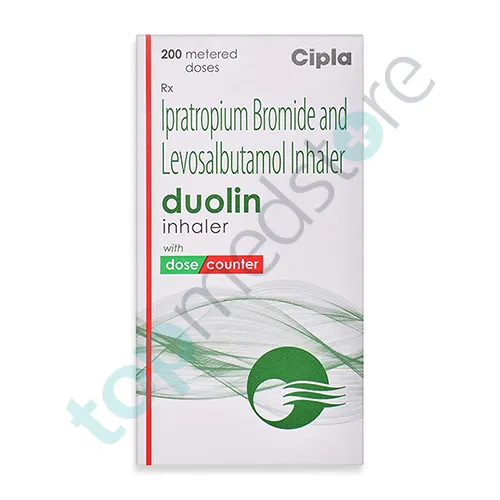
Ipratropium Bromide-LevaSalbutamol 200 Metered Doses
$101.01 – $257.16
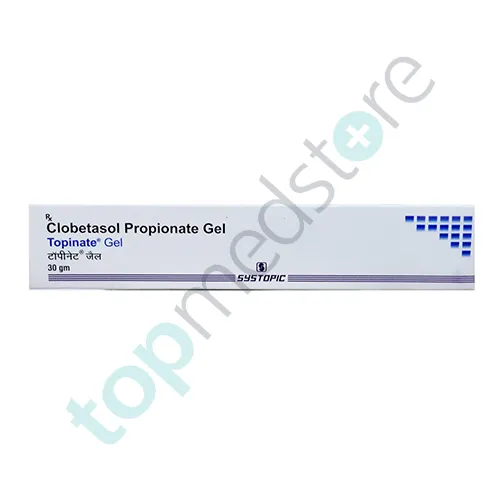
| Product name | Clobetasol propionate 0.05% gel 30gm |
|---|---|
| Active Ingredient | Clobetasol |
| Dosage | 0.05% 30gm |
| Drug Type | Tubes |
| Indication | Psoriasis |
| Manufacturer | Systopic Laboratories |
Total $74.22
Clobetasol Propionate 0.05% Gel 30gm is a very strong prescription corticosteroid medicine used to treat severe inflammatory skin conditions and scalp problems. It is commonly prescribed by a dermatologist when there is intense itching, redness, or thick scaly patches that do not improve with milder treatments.
This medicine comes in a gel form, which is especially useful for hair-bearing areas like the scalp, as it spreads easily and gets absorbed quickly.
In simple words, this gel helps calm severe skin and scalp inflammation, reducing itching, redness, and irritation.
In conditions like psoriasis, eczema, or allergic skin reactions, the immune system becomes overactive in the skin. This leads to excessive release of inflammatory chemicals that cause redness, swelling, itching, and thickened skin patches.
Clobetasol Propionate is a strong topical steroid (anti-inflammatory medicine applied on the skin). It works by reducing the activity of immune cells in the affected area.
These immune cells normally release substances such as prostaglandins and other inflammatory mediators (natural chemicals that cause swelling and irritation in the skin). When these are blocked, inflammation reduces significantly.
As the inflammation goes down, itching decreases and the skin or scalp starts to heal gradually.
In simple words, this medicine calms the skin’s overreaction so swelling, redness, and itching reduce effectively.
This gel is mainly used for severe inflammatory skin conditions where strong treatment is needed.
It is commonly used for psoriasis, especially on the scalp or other thick, scaly areas of the body.
It is also used for eczema (dermatitis), which causes dry, itchy, and inflamed skin.
Doctors may prescribe it for allergic skin reactions that cause severe redness and itching.
It can also be used for lichen planus, a condition that leads to itchy, flat, purple-colored patches on the skin.
In real medical practice, dermatologists use this gel when rapid control of inflammation is required in difficult or stubborn skin conditions, especially on the scalp.
This medicine works by reducing the immune system activity in the skin.
It blocks the release of inflammatory chemicals that are responsible for swelling, redness, and itching.
When these signals are reduced, the overactive immune response slows down. This helps the skin return to a more normal state.
The gel form allows easy application and better absorption in areas with hair, especially the scalp.
In simple words, this gel stops the skin from overreacting so inflammation and itching gradually settle down.
Some people may experience mild burning, irritation, or itching at the application site, especially during initial use.
With prolonged or excessive use, the skin may become thin, which means it becomes more fragile and sensitive than normal.
There may also be stretch marks or visible small blood vessels if used for a long time.
In rare cases, excessive use over large areas can lead to systemic absorption (medicine entering the bloodstream and affecting hormone balance in the body).
These side effects are more likely when the medicine is used incorrectly or for longer than prescribed.
This gel should always be used under the supervision of a dermatologist.
Apply a thin layer only on the affected area and avoid using more than recommended.
Do not use it on the face, groin, or underarms unless specifically instructed, as these areas are more sensitive.
Avoid applying on broken skin or open wounds.
Do not use for long periods continuously without medical supervision, as it is a very strong steroid.
Wash hands after application unless the hands are being treated.
Correct and controlled use ensures safe and effective results.
This content is for informational purposes only and does not replace medical advice, diagnosis, or treatment. Always consult your dermatologist before starting or changing any medicine.
$101.01 – $257.16
$47.69 – $156.08
$27.72 – $90.72
$40.26 – $131.76