Rifaximin 200mg
$207.00 – $680.00
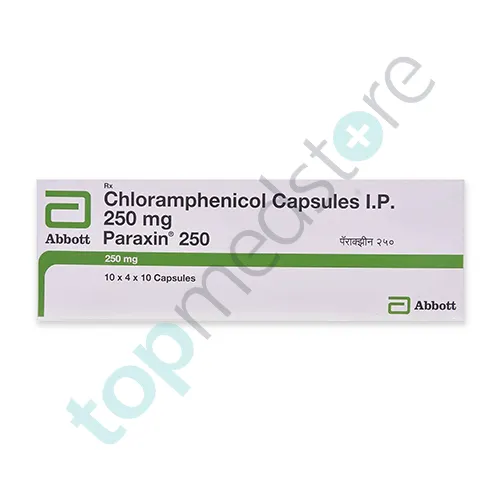
Chloramphenicol is an antibiotic medicine used to treat bacterial infections. Doctors may prescribe this medicine for serious infections when other antibiotics may not work well enough. An infectious disease specialist, eye specialist, or general physician may recommend Chloramphenicol depending on the type and severity of the infection.
This medicine is available in different forms such as eye drops, eye ointment, capsules, and injections. The eye drop form is commonly used for bacterial eye infections that cause redness, swelling, sticky discharge, or irritation.
Chloramphenicol belongs to a group of medicines called antibiotics. Antibiotics help kill harmful bacteria or stop them from growing inside the body.
Doctors use this medicine carefully because strong antibiotics can sometimes cause serious side effects if not used properly. Patients should only use Chloramphenicol exactly as prescribed by a healthcare professional.
This medicine does not work against viral infections such as the common cold, flu, or viral eye infections.
Chloramphenicol helps the body fight harmful bacteria that cause infections.
Bacteria are tiny germs that can grow quickly inside the body and make a person sick. These germs may affect the eyes, lungs, blood, skin, or other organs.
Chloramphenicol works by blocking the bacteria from making important proteins. Proteins are substances that bacteria need to survive, grow, and spread.
When the bacteria cannot make these proteins, they become weak and stop multiplying. This helps the body control the infection more effectively.
As the number of bacteria becomes lower, symptoms such as redness, swelling, fever, pain, or discharge may slowly improve.
Many patients begin to feel better after a few days of treatment. However, doctors usually advise patients to complete the full course of medicine even if symptoms improve early.
Stopping antibiotics too soon may allow bacteria to survive and cause the infection to return.
Doctors prescribe Chloramphenicol for different bacterial infections.
One common use is for bacterial eye infections such as conjunctivitis. Conjunctivitis is an infection or irritation of the thin layer that covers the white part of the eye. It may cause redness, itching, sticky discharge, or watery eyes.
Doctors may also prescribe Chloramphenicol for serious infections such as typhoid fever, meningitis, or severe bloodstream infections when stronger treatment is needed.
Meningitis is a dangerous infection that affects the protective covering around the brain and spinal cord.
Some doctors use this medicine for skin infections, wound infections, or certain lung infections caused by bacteria.
The eye drop and eye ointment forms are commonly used for short-term treatment of infected eyes.
Doctors may carefully monitor patients who need longer treatment because Chloramphenicol can sometimes affect blood cell production.
Chloramphenicol works by stopping bacteria from producing important proteins.
Bacteria need proteins to repair themselves and continue growing inside the body.
The medicine enters the bacteria and blocks protein production. Without these proteins, the bacteria cannot survive properly.
This action helps stop the infection from spreading and gives the body time to heal naturally.
Patients should use Chloramphenicol exactly as prescribed by their doctor. Taking too much medicine or stopping treatment early may reduce its effectiveness.
People using Chloramphenicol eye drops should avoid touching the bottle tip directly to the eye or skin. This helps prevent germs from entering the medicine bottle.
Patients should also tell their doctor about all medicines they currently use because some medicines may interact with Chloramphenicol.
People with liver disease, blood disorders, or previous allergic reactions to antibiotics should inform their doctor before starting treatment.
Like all medicines, Chloramphenicol may cause side effects in some people. Most side effects are mild when the medicine is used correctly for a short period.
Common side effects may include mild eye irritation, burning sensation, nausea, vomiting, headache, diarrhea, or skin rash.
Some people may notice temporary blurred vision after using eye drops or eye ointment. This usually improves after a short time.
Rare but serious side effects may include allergic reaction, breathing difficulty, unusual bleeding, severe weakness, or blood-related problems.
Blood-related problems may happen because Chloramphenicol can rarely affect the bone marrow. Bone marrow is the soft tissue inside bones that helps make blood cells.
Patients should seek immediate medical help if they notice pale skin, unusual bruising, severe tiredness, fever, or trouble breathing.
An ophthalmologist, infectious disease doctor, or hematologist may monitor patients who need long-term treatment with Chloramphenicol. A hematologist is a doctor who treats blood-related conditions.
Using the medicine correctly and following medical advice can help lower the risk of serious complications.
This content is for educational purposes only. It does not replace professional medical advice, diagnosis, or treatment. Always consult a licensed healthcare provider before using Chloramphenicol or changing your medication routine.
| Product name | Chloramphenicol |
|---|---|
| Category | Antibacterial Medicines |
| Shipping offer | Free shipping on orders of $110.00 or more |
$207.00 – $680.00
$83.10 – $211.20
$142.00 – $464.00
$58.50 – $147.60