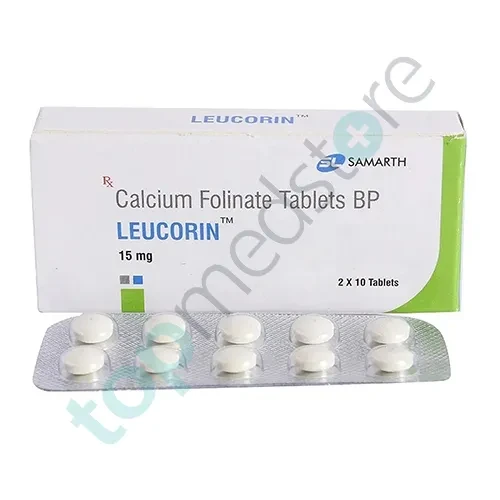
Leucovorin Calcium 15mg
$68.00 – $222.80
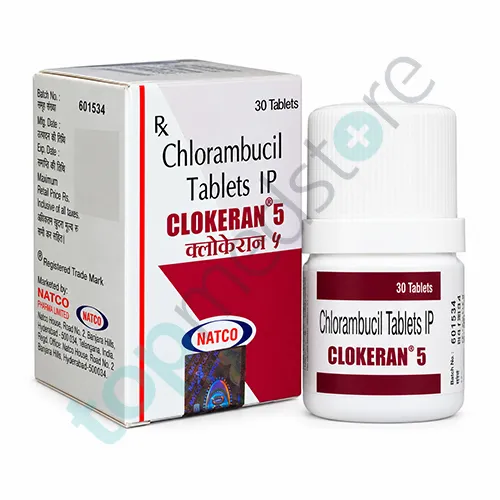
Chlorambucil is a prescription anti-cancer medicine used to treat certain types of blood cancers and lymphatic system cancers. It is commonly prescribed by an oncologist (cancer specialist).
This medicine belongs to a group called alkylating agents (chemotherapy drugs). Chemotherapy means medicines that slow down or stop the growth of cancer cells.
Chlorambucil tablets are taken by mouth and work inside the body to control abnormal cell growth.
Cancer is a condition where abnormal cells grow in an uncontrolled way and can spread to other tissues.
Chlorambucil medicine helps slow this abnormal growth and supports long-term disease control.
Chlorambucil works by damaging the DNA of rapidly growing cells.
DNA is the instruction system inside every cell. It controls how cells grow, divide, and function.
Cancer cells grow and divide much faster than normal cells. Because of this, they depend heavily on healthy DNA to keep multiplying.
Chlorambucil medicine attaches to the DNA of cancer cells and prevents them from copying themselves properly.
When DNA is damaged, cancer cells cannot divide. This slows tumor growth and may reduce cancer spread.
A tumor is a group of abnormal cells that grow together in the body.
Normal healthy cells can also be affected, especially fast-growing cells like blood cells, which is why careful monitoring is needed.
Doctors prescribe Chlorambucil mainly for slow-growing blood and lymph cancers.
It is commonly used in:
Chronic lymphocytic leukemia is a type of blood cancer where abnormal white blood cells grow too slowly but in large numbers.
Non-Hodgkin lymphoma is a cancer of the lymphatic system, which is part of the body’s immune system.
The lymphatic system includes lymph nodes and vessels that help fight infections.
An oncologist decides the dose based on cancer type, stage, and patient condition.
This medicine is often used as part of long-term treatment plans to control disease progression.
Chlorambucil works by interfering with the DNA of cancer cells and stopping their growth.
It belongs to a class of medicines called alkylating agents. These medicines attach chemical groups to DNA strands inside cells.
When this happens, the DNA becomes damaged and cannot function properly.
Because cancer cells depend on fast and continuous division, DNA damage stops their growth.
Chlorambucil tablets slow down or stop the multiplication of abnormal white blood cells.
White blood cells are part of the immune system and normally help fight infections. In blood cancers, these cells become abnormal and grow uncontrollably.
By targeting these cells, Chlorambucil helps reduce cancer activity and control symptoms over time.
Like all chemotherapy medicines, Chlorambucil may cause side effects because it also affects normal fast-growing cells.
Common side effects include nausea, vomiting, loss of appetite, and fatigue. Fatigue means feeling very tired or weak.
One important effect is lower blood cell counts. This includes reduced white blood cells, red blood cells, and platelets.
Low white blood cells can increase the risk of infections. Red blood cells help carry oxygen, so low levels can cause anemia and weakness. Platelets help with blood clotting, so low levels can increase bleeding risk.
Some patients may also experience mouth sores or skin reactions.
Rare but serious side effects include severe infections or bone marrow suppression.
Bone marrow is the soft tissue inside bones that produces blood cells.
An oncologist regularly monitors blood tests to ensure safe treatment and adjust dosage when needed.
This content is for educational purposes only. It is not a substitute for professional medical advice, diagnosis, or treatment. Always consult an oncologist or qualified healthcare provider before using Chlorambucil tablets for cancer treatment.
| Product name | Chlorambucil |
|---|---|
| Category | Chemotherapy Medicines |
| Shipping offer | Free shipping on orders of $110.00 or more |
$68.00 – $222.80
$62.70 – $205.20
$39.60 – $129.60
$25.80 – $84.00