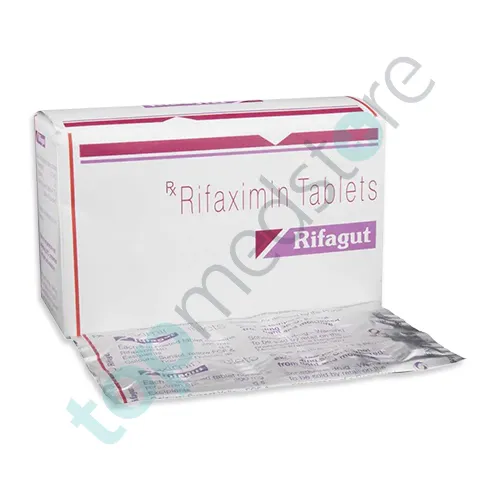
Rifaximin 200mg
$207.00 – $680.00
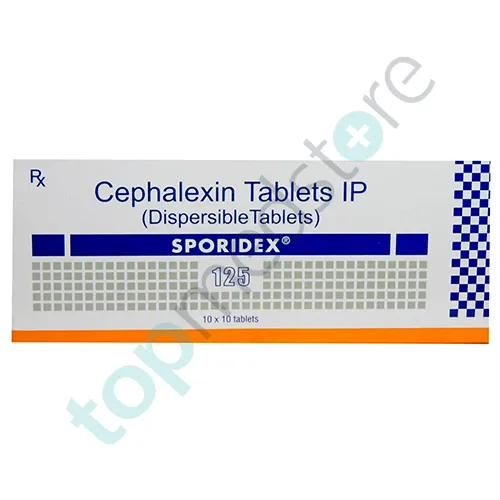
Cephalexin is a prescription antibiotic medicine used to treat many types of bacterial infections. A physician or infectious disease specialist may prescribe it to stop the growth of harmful bacteria in the body.
Bacterial infections happen when harmful bacteria enter the body and multiply. This can affect the throat, skin, ears, urinary tract, and respiratory system.
Cephalexin is not effective against viral infections like cold or flu. It works only against bacteria.
This medicine is commonly available in capsule, tablet, and liquid syrup forms. Doctors choose the form based on age, infection type, and severity.
Using antibiotics correctly is important. Improper use can lead to antibiotic resistance, where bacteria stop responding to treatment.
Cephalexin works by damaging the protective wall of bacteria.
Bacteria have a strong outer wall that helps them survive and grow. Cephalexin weakens this wall.
When the wall becomes weak, bacteria cannot survive and they break down.
This helps the body remove the infection more quickly.
As the infection improves, symptoms like pain, fever, swelling, and redness start reducing.
The immune system also becomes more effective at clearing the remaining bacteria.
A physician may monitor recovery to ensure the infection is fully treated.
The main use of Cephalexin is the treatment of bacterial infections.
It is commonly used for throat infections, including tonsillitis and strep throat.
Doctors also prescribe it for skin infections such as infected wounds, boils, and cellulitis.
Cephalexin is used for ear infections, especially in children.
It is also effective in treating urinary tract infections (UTIs), which may cause burning sensation and frequent urination.
In some cases, it may be used for respiratory tract infections caused by bacteria.
Patients should always complete the full course even if symptoms improve early.
Stopping early can allow bacteria to return and become stronger.
Cephalexin works by stopping bacteria from building a strong cell wall.
The bacterial cell wall is essential for survival and protection.
Cephalexin interferes with the formation of this wall, making it weak and unstable.
Without a strong wall, bacteria cannot survive and they die naturally.
This helps reduce infection in the body and speeds up recovery.
Doctors usually prescribe it for a fixed number of days depending on the infection type.
It is important to take doses at regular intervals for best results.
A physician may adjust treatment if the infection is severe or does not improve.
Like all medicines, Cephalexin may cause side effects. Most are mild and temporary.
Common side effects include nausea, vomiting, diarrhea, stomach pain, and mild dizziness.
Some patients may develop skin rash or itching.
In rare cases, allergic reactions such as swelling, difficulty breathing, or severe rash may occur. These require immediate medical attention.
Long-term or repeated use may disturb normal gut bacteria, sometimes causing digestive upset.
Patients with a history of penicillin or cephalosporin allergy should inform their doctor before use.
A physician may monitor treatment to ensure safety and effectiveness.
This content is for educational purposes only and does not replace medical advice, diagnosis, or treatment. Cephalexin should only be used under the supervision of a qualified physician or healthcare professional. Always follow your doctor’s instructions regarding antibiotic use, dosage, and infection control.
| Product name | Cephalexin |
|---|---|
| Category | Antibacterial Medicines |
| Shipping offer | Free shipping on orders of $110.00 or more |
$207.00 – $680.00
$83.10 – $211.20
$142.00 – $464.00
$58.50 – $147.60