
Celecoxib 200mg
$28.50 – $92.40
Celecoxib is a prescription medicine used to reduce pain, swelling, and inflammation in the body. Inflammation is the body’s response to injury or irritation that may cause redness, stiffness, heat, and pain.
Doctors prescribe Celecoxib capsules for conditions such as arthritis, joint pain, muscle pain, back pain, and menstrual pain.
This medicine belongs to a group of drugs called nonsteroidal anti-inflammatory drugs (NSAIDs). NSAIDs help lower pain and inflammation without using steroids.
A rheumatologist is the specialist doctor who commonly treats arthritis and joint-related conditions. Orthopedic doctors and general physicians may also prescribe Celecoxib for pain management.
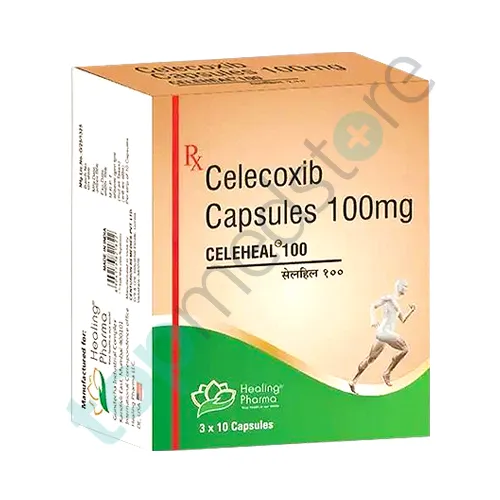
Celecoxib is available in strengths such as Celecoxib 100 mg and Celecoxib 200 mg capsules. Doctors choose the correct dosage based on the patient’s condition, pain level, and medical history.
Joint pain and inflammation may affect walking, movement, sleep, and daily activities. Proper treatment may help improve comfort and physical function.
Celecoxib works by reducing chemicals in the body that cause pain and inflammation.
When the body becomes injured or inflamed, it produces substances called prostaglandins. These chemicals increase swelling, pain, and stiffness.
Celecoxib blocks an enzyme called COX-2 that helps produce prostaglandins. By lowering these chemicals, the medicine helps reduce pain and swelling.
As inflammation becomes lower, many patients notice easier movement, less joint stiffness, and improved comfort during daily activities.
This medicine may also help reduce pain caused by arthritis, muscle injuries, or menstrual cramps.
Celecoxib mainly targets the COX-2 enzyme, which may lower the risk of stomach irritation compared to some older pain medicines. However, stomach-related side effects may still happen in some patients.
Doctors prescribe Celecoxib for several painful and inflammatory conditions.
One common use is treating osteoarthritis. Osteoarthritis happens when joint cartilage slowly wears down and causes pain and stiffness. Cartilage is the smooth tissue that protects joints.
Doctors also use this medicine for rheumatoid arthritis, which is an autoimmune condition that causes joint swelling and pain. Autoimmune means the immune system mistakenly attacks healthy body tissues.
Celecoxib may also help patients with ankylosing spondylitis, a condition that affects the spine and causes stiffness and back pain.
Some women use this medicine for menstrual pain and severe cramps during periods.
Doctors may also prescribe Celecoxib for muscle pain, sports injuries, dental pain, or recovery after certain medical procedures.
Patients with long-term joint pain may benefit from reduced stiffness and better mobility during treatment.
Celecoxib works by blocking the activity of the COX-2 enzyme inside the body.
The COX-2 enzyme helps produce prostaglandins that increase pain and inflammation.
When Celecoxib blocks this enzyme, the body produces fewer inflammatory chemicals. This helps reduce swelling, pain, and stiffness.
As pain decreases, patients may move more comfortably and perform daily activities with less discomfort.
Doctors usually advise patients to take the medicine exactly as prescribed. Taking more than the recommended dose may increase the risk of serious side effects.
The medicine can be taken with food if stomach discomfort occurs.
Patients should avoid combining Celecoxib with certain painkillers unless approved by a doctor because this may increase side effect risks.
Long-term use may require regular medical checkups, especially in patients with heart disease or stomach problems.
Like all medicines, Celecoxib may cause side effects in some patients. Many side effects are mild and improve as the body adjusts to treatment.
Common side effects include stomach pain, indigestion, headache, nausea, and diarrhea. Indigestion means discomfort or burning in the stomach after eating.
Some patients may also experience dizziness, gas, swelling in the legs, or increased blood pressure.
Rare but serious side effects require immediate medical attention. Patients should contact a doctor if they develop chest pain, breathing difficulty, black stools, vomiting blood, severe allergic reactions, or signs of stroke.
Long-term use of NSAID medicines may increase the risk of heart attack, stomach ulcers, or kidney problems in some patients.
Patients with heart disease, liver disease, kidney disease, or stomach ulcers should use Celecoxib carefully under medical supervision.
This content is for educational purposes only. It does not replace professional medical advice, diagnosis, or treatment. Always consult a rheumatologist or another licensed healthcare professional before using Celecoxib or changing pain treatment. Use this medicine only under proper medical supervision.
| Product name | Celecoxib |
|---|---|
| Category | Pain Relief & Anti-Inflammatory Medicines |
| Shipping offer | Free shipping on orders of $110.00 or more |
$28.50 – $92.40
$18.90 – $62.40
$16.50 – $54.00
$117.00 – $384.00