Rifaximin 200mg
$207.00 – $680.00
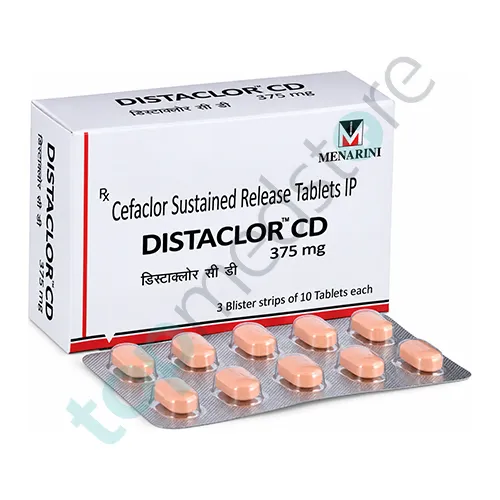
Cefaclor is a prescription antibiotic medicine used to treat bacterial infections in different parts of the body. A bacterial infection means harmful bacteria enter the body, grow, and cause illness like fever, pain, swelling, and weakness.
Doctors commonly use Cefaclor to treat infections of the throat, ears, lungs, skin, and urinary tract.
A general physician or an infectious disease specialist often prescribes Cefaclor when the infection needs a strong antibiotic from the cephalosporin group.
This medicine belongs to the cephalosporin antibiotic class.
A cephalosporin antibiotic is a medicine that kills bacteria by damaging their protective outer wall.
Cefaclor only works against bacterial infections. It does not work for viral infections like cold or flu.
Cefaclor works by killing bacteria and stopping their growth inside the body.
Bacteria protect themselves with a strong outer layer called a cell wall. This wall helps them survive and multiply.
Cefaclor attacks this cell wall and weakens it.
When the cell wall breaks, bacteria cannot survive and they die.
As bacteria reduce, infection symptoms slowly improve.
Symptoms like fever, pain, swelling, and pus formation start to go away.
Pus means thick fluid that forms when the body fights infection.
Doctors advise patients to complete the full course of Cefaclor so that all bacteria are fully removed.
Stopping early can allow remaining bacteria to grow again and cause reinfection.
Doctors use Cefaclor to treat many types of bacterial infections.
It is commonly used for ear infections, especially in children and adults. These infections may cause pain, fluid buildup, and hearing discomfort.
A general physician prescribes Cefaclor for throat infections, which can cause pain while swallowing and fever.
It is also used for respiratory tract infections, including bronchitis and mild pneumonia. These conditions can cause cough, mucus, and breathing difficulty.
Doctors use Cefaclor for urinary tract infections (UTIs), which cause burning urination and frequent urination.
It may also treat skin infections, especially when bacteria enter through cuts, wounds, or insect bites.
Cefaclor works by attacking the bacterial cell structure.
Bacteria need a strong cell wall to survive and grow.
Cefaclor stops bacteria from forming this wall properly.
When the wall becomes weak, bacteria lose protection and die.
This action stops the infection from spreading in the body.
As bacteria reduce, the immune system clears the remaining infection more easily.
Doctors usually give Cefaclor at regular time intervals to keep a steady level of medicine in the body.
Patients must complete the full course to fully clear the infection and prevent it from coming back.
Like all medicines, Cefaclor may cause side effects in some people. Most side effects are mild and temporary.
Common side effects include nausea, diarrhea, stomach pain, and headache.
Nausea means a feeling of vomiting.
Diarrhea means loose or watery stools.
Some people may also feel mild stomach discomfort or skin rash.
Rare but serious side effects may include severe allergic reactions, breathing difficulty, swelling of the face or throat, or severe skin reactions.
People allergic to cephalosporin or penicillin antibiotics should use Cefaclor only under strict medical supervision.
A general physician or infectious disease specialist should guide treatment for safe use.
This content is for educational purposes only. It does not replace professional medical advice, diagnosis, or treatment. Always consult a general physician, ENT specialist, or infectious disease specialist before using Cefaclor. Use this medicine only under proper medical supervision.
| Product name | Cefaclor |
|---|---|
| Category | Antibacterial Medicines |
| Shipping offer | Free shipping on orders of $110.00 or more |
$207.00 – $680.00
$83.10 – $211.20
$142.00 – $464.00
$58.50 – $147.60