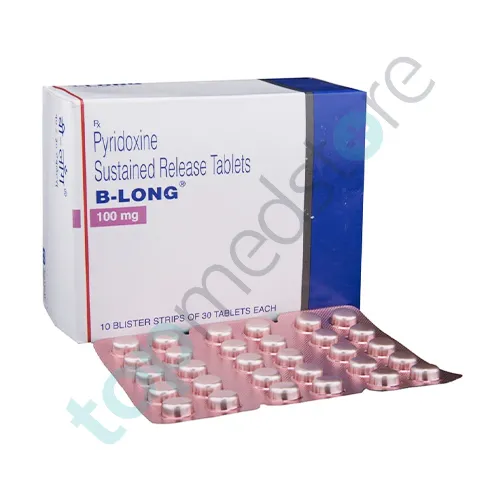
Vitamin B6SR 100mg
$16.50 – $48.00

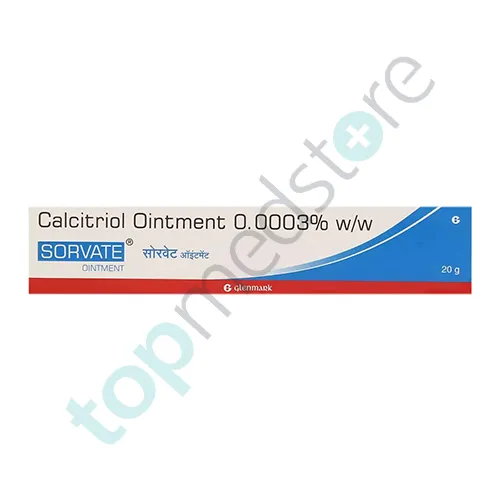
Calcitriol is a prescription medicine used to treat low calcium levels and weak bones. It is commonly prescribed by a nephrologist (kidney specialist) or endocrinologist (hormone specialist).
This medicine is the active form of vitamin D. Vitamin D is very important for strong bones, healthy teeth, and proper muscle function.
Calcitriol capsules or tablets help the body use calcium from food in a better way. It also helps keep calcium levels stable in the blood.
Calcium is a mineral needed for bones, muscles, nerves, and normal heart function. When calcium is low, the body cannot work properly.
Calcitriol works by controlling how the body absorbs and uses calcium.
Normally, vitamin D from sunlight or food must be converted into an active form in the liver and kidneys. But in kidney disease or other conditions, this process becomes weak or fails.
Calcitriol medicine directly provides the active form of vitamin D, so the body does not need to convert it.
It increases calcium absorption from the intestines. This means more calcium from food enters the bloodstream.
It also helps move calcium into the bones, which improves bone strength.
Without enough calcium, bones become weak, painful, and more likely to fracture.
Calcitriol also helps maintain a balance between calcium and phosphate, which is important for healthy bone structure.
When this balance improves, muscle strength and nerve function also improve.
Doctors prescribe Calcitriol for conditions where the body cannot maintain normal calcium and bone health.
It is commonly used in:
Chronic kidney disease is a long-term condition where kidneys cannot work properly. In this condition, the body cannot activate vitamin D, so calcium levels drop.
Hypocalcemia means low calcium in the blood. It can cause muscle cramps, tingling in hands and feet, and weakness.
Osteoporosis is a condition where bones become thin and fragile. Even small falls can cause fractures.
Rickets and osteomalacia are bone disorders caused by poor bone mineralization, meaning bones do not get enough minerals like calcium.
A nephrologist or endocrinologist monitors blood calcium, phosphate, and vitamin D levels during treatment to adjust the dose safely.
Calcitriol works by improving calcium absorption, bone strength, and mineral balance in the body.
It increases calcium absorption from food in the intestines. This helps raise calcium levels in the blood.
It also helps deposit calcium into bones. This process makes bones harder and stronger over time.
Bones are living tissues. They constantly break down and rebuild. Calcitriol helps support this natural process by providing enough calcium.
Calcitriol medicine also helps control phosphate levels. Phosphate is another mineral that works with calcium to build bones. If the balance is disturbed, bones become weak.
When calcium and phosphate are balanced, bone structure improves and pain reduces.
This medicine works gradually. Regular use is important for long-term bone health improvement.
Like all medicines, Calcitriol may cause side effects, especially if the dose is too high or not monitored properly.
Common side effects include nausea, headache, dry mouth, weakness, and loss of appetite. These are usually mild.
The most important risk is high calcium levels in the blood, called hypercalcemia.
Hypercalcemia means too much calcium in the body. It can cause symptoms like nausea, vomiting, confusion, constipation, and frequent urination.
In simple words, the body gets “too much calcium,” which can affect organs like the kidneys and heart if not controlled.
Some patients may also feel tired or dehydrated during treatment.
A nephrologist or endocrinologist usually checks blood tests regularly to prevent complications and adjust the dose safely.
This content is for educational purposes only. It is not a substitute for professional medical advice, diagnosis, or treatment. Always consult a nephrologist, endocrinologist, or qualified healthcare provider before using Calcitriol capsules or tablets for calcium or bone-related conditions.
| Product name | Calcitriol |
|---|---|
| Category | Bone Health & Osteoporosis Medicines |
| Shipping offer | Free shipping on orders of $110.00 or more |
$16.50 – $48.00
$36.00 – $117.60
$67.16 – $219.84
$104.00 – $340.00