Griseofulvin 500mg
$100.00 – $328.00
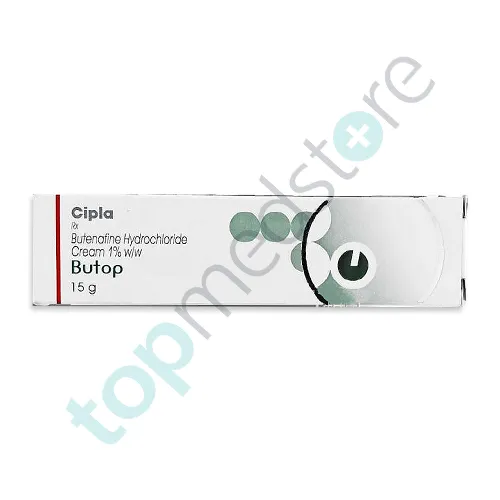
Butenafine is a prescription antifungal medicine used to treat fungal skin infections. It is commonly prescribed by a dermatologist (skin specialist).
This medicine is available as a cream or lotion. It is applied directly on the skin. It is not taken by mouth.
Fungal infections happen when fungi grow on the skin. Fungi are tiny organisms that spread in warm and moist areas. They can cause itching, redness, and irritation.
Butenafine cream helps kill these fungi and reduces skin discomfort.
It is important to use the medicine for the full duration prescribed by the doctor. Stopping early may cause the infection to come back.
Butenafine works by killing fungi and stopping their growth on the skin.
Fungi need a substance called ergosterol to build their outer covering. This covering is called the cell membrane. It protects the fungus and helps it survive.
Butenafine medicine blocks the formation of ergosterol. When this substance is reduced, the fungal cell membrane becomes weak.
A weak membrane cannot protect the fungus. As a result, the fungus dies slowly and stops spreading.
This reduces skin symptoms like itching, redness, and scaling. Scaling means dry or flaky skin.
Because it works directly on the skin, Butenafine cream acts at the infection site and gives targeted relief.
Doctors prescribe Butenafine cream for different types of fungal skin infections.
It is commonly used for:
Ringworm is a common infection that forms ring-shaped red patches on the skin. It spreads easily through contact.
Athlete’s foot causes itching, cracking, and peeling skin between the toes. It is common in people who wear closed shoes for long hours.
Jock itch affects the groin area and causes redness and discomfort, especially in warm weather.
A dermatologist selects this medicine based on infection type and severity.
Butenafine works by stopping fungi from building their protective outer layer.
Fungi need a substance called ergosterol to form their cell membrane. The cell membrane acts like a shield that keeps the fungus alive.
Butenafine cream blocks the production of ergosterol. Without it, the fungal cell membrane becomes weak and damaged.
When the membrane breaks down, fungi cannot grow or survive. The infection slowly clears from the skin.
As the infection heals, symptoms like itching, redness, and irritation reduce.
Regular use helps fully remove the infection and reduces the chance of it coming back.
Like all medicines, Butenafine may cause mild side effects in some people.
Common side effects include mild burning, itching, redness, or irritation where the cream is applied. These usually go away on their own.
Some people may notice dryness or slight peeling of the skin during treatment.
Rarely, allergic reactions may occur. These can cause severe redness, swelling, or rash.
If the skin condition becomes worse instead of improving, medical advice should be taken.
Always clean and dry the affected area before applying Butenafine cream for better results.
A dermatologist may change the treatment if irritation continues.
This content is for educational purposes only. It is not a substitute for professional medical advice, diagnosis, or treatment. Always consult a dermatologist or qualified healthcare provider before using Butenafine cream or lotion for fungal skin infections.
| Product name | Butenafine |
|---|---|
| Category | Fungal Skin Treatments |
| Shipping offer | Free shipping on orders of $110.00 or more |
$100.00 – $328.00
$45.00 – $147.24
$82.49 – $269.96
$25.26 – $82.68