Agomelatine 25mg
$80.10 – $261.60
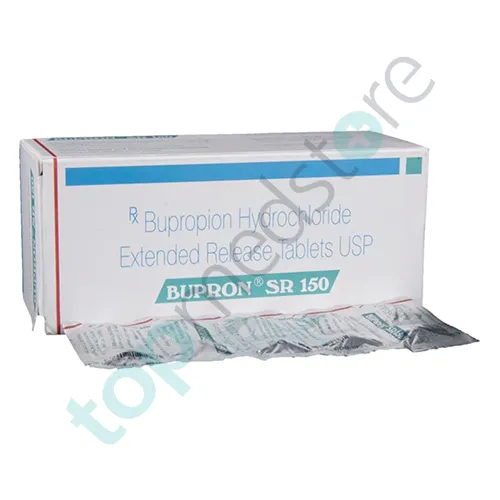
Bupropion is a prescription medicine used to treat depression and to support smoking cessation (quitting smoking). It is commonly prescribed by a psychiatrist or physician depending on the patient’s mental health condition and treatment needs.
Depression is a mental health condition that affects mood, energy levels, thinking, and daily functioning. It may cause sadness, loss of interest, low motivation, fatigue, and sleep changes.
Bupropion helps improve mood and energy balance in the brain. It is also used to reduce nicotine cravings in people trying to stop smoking.
It is available in oral tablet form, including immediate-release and extended-release formulations. The dosing schedule depends on the formulation and medical guidance.
Bupropion works by affecting certain brain chemicals called neurotransmitters.
Neurotransmitters are chemical messengers that help nerve cells communicate with each other.
Bupropion mainly affects dopamine and norepinephrine.
Dopamine is linked to motivation, pleasure, and reward. Norepinephrine is linked to energy, alertness, and focus.
Bupropion works by blocking the reuptake of these chemicals. Reuptake means the brain absorbs them back into nerve cells after use.
When reuptake is blocked, more dopamine and norepinephrine remain active in the brain.
This helps improve mood, increase energy levels, and reduce symptoms of depression.
It also helps reduce nicotine cravings by influencing reward pathways involved in addiction.
Doctors prescribe Bupropion mainly for major depressive disorder (MDD), a condition that causes persistent low mood and loss of interest in daily activities.
It is also used for seasonal affective disorder (SAD), a type of depression that occurs during certain seasons, usually winter.
Bupropion is widely used as a smoking cessation aid, helping people reduce cravings and withdrawal symptoms when quitting tobacco.
In some cases, it may be used as part of combination therapy for depression when other antidepressants are not suitable or effective.
It may also be used in patients who experience fatigue or low energy along with depression, as it has a more activating effect compared to some other antidepressants.
Treatment duration depends on patient response and clinical evaluation.
Bupropion works by inhibiting the reuptake of dopamine and norepinephrine in the brain.
Normally, after these neurotransmitters are released, they are reabsorbed back into nerve cells. This reduces their activity.
Bupropion blocks this reabsorption process.
As a result, dopamine and norepinephrine stay active in the brain for a longer time.
Increased dopamine activity helps improve motivation and pleasure response.
Increased norepinephrine improves alertness, energy, and concentration.
This combined effect helps reduce depressive symptoms and supports smoking cessation by reducing cravings and withdrawal effects.
Like all medicines, Bupropion may cause side effects, although not everyone experiences them.
Some patients may have dry mouth, headache, nausea, or difficulty sleeping (insomnia).
Anxiety or restlessness may occur in some individuals, especially during early treatment.
Increased heart rate or mild dizziness may also be seen.
A rare but serious side effect is seizures, especially at high doses or in people with risk factors.
Some patients may also experience mood changes, irritability, or agitation.
Rare allergic reactions such as rash, swelling, or breathing difficulty may occur and need immediate medical attention.
Patients should always take this medicine exactly as prescribed and avoid sudden dose changes.
This content is for informational purposes only. It does not replace professional medical advice, diagnosis, or treatment. Always consult a psychiatrist or physician before starting or changing Bupropion. Use this medicine exactly as prescribed for safe management of depression or smoking cessation support.
| Product name | Bupropion |
|---|---|
| Category | Depression Medicines |
| Shipping offer | Free shipping on orders of $110.00 or more |
$80.10 – $261.60
$73.00 – $240.00
$39.00 – $128.00
$50.40 – $165.60