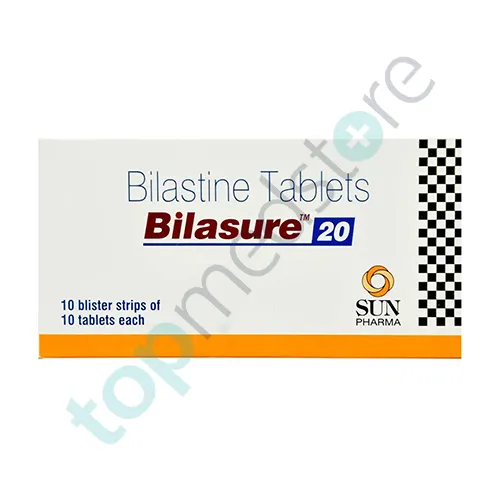
Bilastine 20mg
$42.90 – $140.40
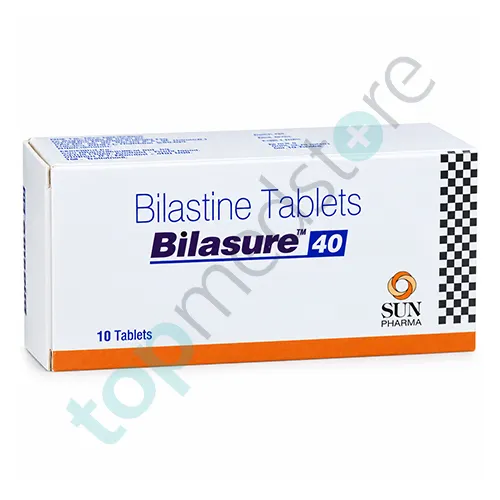
Bilastine is a modern prescription medicine used to treat allergy conditions (body reactions when the immune system overreacts to harmless substances like dust, pollen, or food particles). Doctors, mainly allergists (specialists who treat allergies), dermatologists (skin specialists), and ENT specialists (ear, nose, and throat doctors), prescribe this medicine to control allergy symptoms and improve daily comfort.
Allergy happens when the immune system becomes too sensitive and releases chemicals that cause irritation. One of the main chemicals is histamine. It is responsible for sneezing, itching, swelling, and watery eyes. Bilastine helps block this chemical and reduces allergic reactions in the body.
This medicine does not cure allergy permanently. Instead, it helps control symptoms and improves quality of life during allergy exposure.
After taking Bilastine, the medicine is absorbed into the bloodstream and starts working on the immune response system.
It blocks histamine (a natural chemical released by the body during allergic reactions that causes itching, swelling, and sneezing). When histamine is blocked, the allergic reaction becomes weaker and symptoms reduce.
Histamine normally attaches to special sites in the body called receptors and triggers allergy symptoms. Bilastine stops this attachment process.
As a result, symptoms such as sneezing, runny nose, blocked nose, watery eyes, and skin itching start to improve. The body becomes less reactive to allergens like dust, pollen, or pet dander.
One important benefit of Bilastine is that it causes very little drowsiness because it does not strongly affect the brain. This makes it suitable for daytime use.
Doctors often recommend it once daily because it works for long hours and provides steady allergy relief.
Doctors prescribe Bilastine for several allergic conditions that affect the nose, skin, and eyes.
It is commonly used for allergic rhinitis (nose allergy that causes sneezing, runny nose, blocked nose, and itching in the nose). This condition often occurs due to dust, pollen, or seasonal changes. Bilastine helps reduce nasal irritation and improves breathing comfort.
It is also widely used for urticaria (skin allergy that causes red, raised, and itchy rashes called hives). These rashes can appear suddenly and cause severe itching. Bilastine helps reduce itching and skin swelling.
ENT specialists prescribe it for seasonal allergies that worsen during weather changes or pollution exposure. It helps control watery eyes and throat irritation caused by allergens.
Dermatologists may also use it in long-term skin allergy management when itching affects sleep and daily activities.
In some cases, it is used as part of combination therapy along with other medicines for better allergy control.
Bilastine works by blocking the action of histamine in the body.
Histamine is released by immune cells called mast cells (special cells in the immune system that trigger allergic reactions when the body detects allergens). When histamine is released, it attaches to receptors and causes allergy symptoms.
Bilastine blocks H1 receptors (specific binding sites in the body where histamine attaches to cause allergic symptoms). When these receptors are blocked, histamine cannot trigger allergy reactions.
This reduces swelling, itching, sneezing, and watery eyes. It also helps calm skin reactions like hives and redness.
Because Bilastine does not easily enter the brain, it causes less sedation (sleepiness) compared to older antihistamines. This helps patients stay active and alert during the day.
Doctors usually recommend taking it regularly for continuous control of allergy symptoms, especially during allergy seasons or long-term exposure to allergens.
Bilastine is generally safe and well tolerated, but some side effects may occur in certain patients.
Common side effects include headache, mild sleepiness, dry mouth, fatigue, and slight dizziness. These effects are usually mild and go away as the body adjusts to the medicine.
Some patients may feel mild stomach discomfort or nausea during the first few days of treatment.
Rare but serious side effects include severe allergic reactions such as skin rash, swelling of the face or lips, and difficulty breathing. These require immediate medical attention.
In some cases, taking Bilastine with alcohol may increase tiredness or reduce alertness, so caution is advised.
Doctors may adjust the dose based on age, symptom severity, and overall health condition to ensure safe use.
This content is for informational purposes only and does not replace professional medical advice, diagnosis, or treatment. Always consult a allergist, dermatologist, or ENT specialist before using Bilastine. Follow the prescribed dosage carefully for safe and effective long-term control of allergy symptoms and improved quality of life.
| Product name | Bilastine |
|---|---|
| Category | Non-Drowsy Allergy Medicines |
| Shipping offer | Free shipping on orders of $110.00 or more |
$42.90 – $140.40
$107.40 – $351.60