Sorafenib 200mg
$527.70 – $1726.80
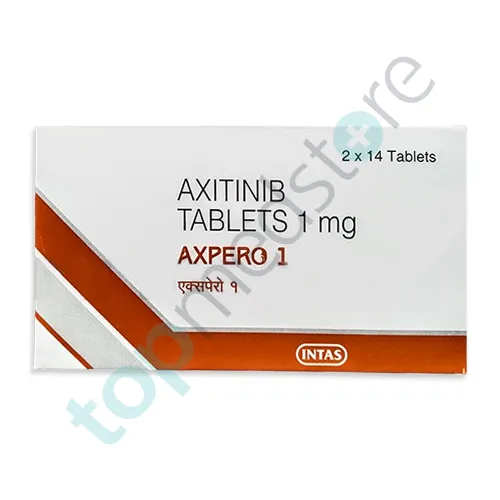
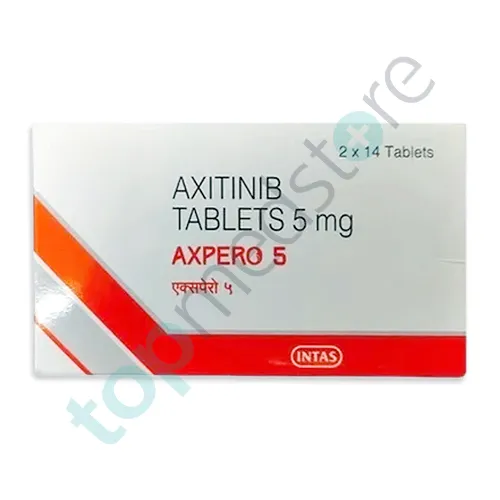
Axitinib is a medicine used to treat certain types of kidney cancer. It belongs to a group of medicines called targeted cancer therapies. These medicines work by blocking signals that help cancer cells grow.
Doctors mainly prescribe Axitinib for advanced renal cell carcinoma, which is the most common type of kidney cancer. Oncologists, who are cancer specialists, use this medicine when cancer has spread or cannot be removed by surgery.
Axitinib does not cure cancer, but it helps slow down cancer growth and may reduce tumor size. This can help improve symptoms and quality of life.
Patients must take this medicine exactly as prescribed. Cancer treatment requires careful monitoring by doctors.
After a patient takes Axitinib, the medicine enters the bloodstream and travels through the body.
It blocks special proteins called VEGF receptors. These proteins help cancer cells form new blood vessels. Cancer needs blood vessels to get oxygen and nutrients for growth.
By blocking these signals, Axitinib reduces blood supply to the tumor. This slows cancer growth and may shrink tumors over time.
Because cancer cells do not get enough oxygen and food, their growth becomes weaker.
The medicine works continuously in the body as long as it is taken regularly. Doctors may adjust the dose based on how the patient responds.
Regular medical checkups are important during treatment to monitor progress and side effects.
Doctors mainly use Axitinib to treat advanced kidney cancer (renal cell carcinoma).
An oncologist may prescribe this medicine when cancer has spread to other parts of the body or when surgery is not possible.
It is often used after other cancer treatments stop working or become less effective.
Axitinib helps slow disease progression. This means it can delay cancer from getting worse.
It may also help reduce symptoms like pain, fatigue, and weakness caused by cancer.
Treatment depends on the stage of cancer, patient health, and previous treatments.
Patients must follow strict medical supervision during therapy.
Axitinib works by blocking signals that cancer cells use to grow new blood vessels.
Cancer cells need blood vessels to get oxygen and nutrients. These vessels help tumors grow and spread.
Axitinib blocks proteins called VEGF receptors. These receptors send signals to form new blood vessels.
When these signals are blocked, the tumor gets less blood supply. This slows down cancer growth.
Because of this action, the medicine is called a tyrosine kinase inhibitor (TKI). This means it blocks specific enzymes that help cancer cells grow.
Doctors monitor patients regularly to check how well the treatment is working.
Like all cancer medicines, Axitinib may cause side effects.
Common side effects include high blood pressure, tiredness, diarrhea, nausea, loss of appetite, and voice changes.
Some patients may feel weak or notice weight loss during treatment.
Axitinib may also affect the skin and cause dryness or redness in some people.
Rare but serious side effects include severe high blood pressure, bleeding, liver problems, or heart issues.
Patients should contact a doctor immediately if they feel chest pain, severe headache, heavy bleeding, or strong weakness.
Doctors closely monitor blood pressure, liver function, and overall health during treatment.
Patients should inform their oncologist about heart disease, liver problems, or other medicines before starting Axitinib.
This content is for informational purposes only and does not replace professional medical advice, diagnosis, or treatment. Always consult an oncologist or licensed healthcare provider before using Axitinib or any cancer treatment medicine. Follow the prescribed dosage carefully for safe and effective treatment.
| Product name | Axitinib |
|---|---|
| Category | Targeted Cancer Treatments |
| Shipping offer | Free shipping on orders of $110.00 or more |
$527.70 – $1726.80
$406.00 – $1328.88
$455.00 – $1489.04
$527.70 – $1726.80