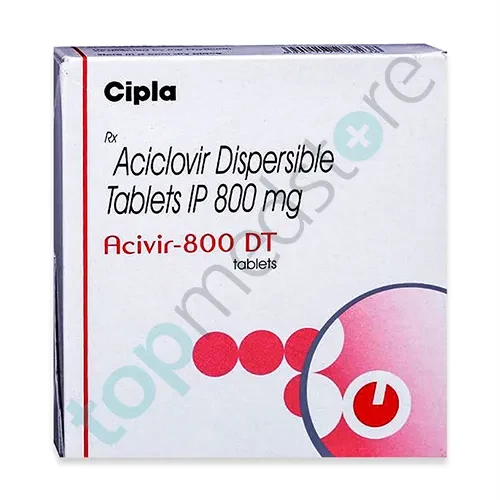
Acyclovir 800mg Tablet
$82.00 – $208.00
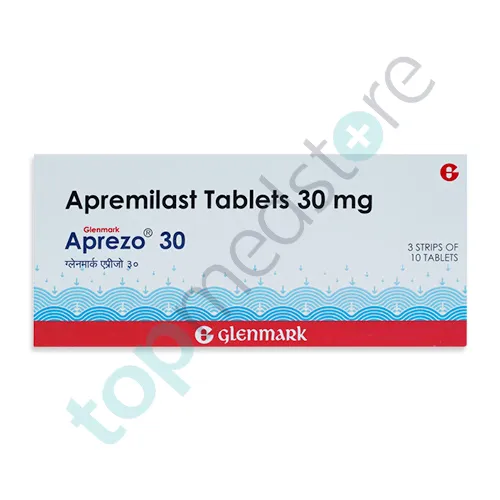
Dermatologists and rheumatologists prescribe Apremilast to treat long-term inflammatory conditions. It belongs to a group of medicines called PDE4 inhibitors. These medicines help reduce swelling and inflammation in the body.
Apremilast is mainly used for skin and joint diseases where the immune system becomes overactive. In these conditions, the body’s defense system attacks healthy tissues by mistake. This leads to pain, redness, swelling, and skin patches.
Doctors commonly use Apremilast for psoriasis and psoriatic arthritis. Psoriasis is a skin condition that causes thick, red, scaly patches on the skin. Psoriatic arthritis affects both the skin and joints, causing pain and stiffness.
This medicine does not cure the disease, but it helps control symptoms and improve daily life. Patients may see gradual improvement over weeks.
Doctors decide the dose based on the patient’s condition and response to treatment. Patients should not stop the medicine suddenly without medical advice.
After taking Apremilast, the medicine works inside immune cells. It controls an enzyme called PDE4. This enzyme affects inflammation in the body.
When PDE4 activity is high, the body produces more chemicals that cause swelling and pain. Apremilast reduces this activity and helps balance the immune response.
This leads to lower levels of inflammation in the skin and joints. As inflammation reduces, symptoms like redness, swelling, pain, and stiffness also improve.
The medicine helps calm the immune system instead of shutting it down completely. This makes it safer for long-term use compared to some stronger immune medicines.
Patients may notice improvement in skin patches, joint pain, and morning stiffness after regular use. However, results take time and need consistent treatment.
Doctors may monitor patients during treatment to check response and side effects.
Doctors mainly use Apremilast to treat plaque psoriasis. This condition causes thick, red, and scaly patches on the skin. These patches may itch, crack, or cause discomfort.
Dermatologists also prescribe Apremilast for psoriatic arthritis. This condition affects both skin and joints. Patients may feel joint pain, swelling, stiffness, and reduced movement.
In some cases, doctors may use this medicine for other inflammatory skin conditions if needed. However, approved use mainly focuses on psoriasis-related diseases.
Apremilast helps reduce flare-ups. A flare-up means symptoms suddenly become worse. The medicine helps keep symptoms under control over time.
It may also improve quality of life by reducing pain and improving movement and skin appearance.
Doctors choose this medicine for patients who need long-term control of inflammation without strong immune suppression.
Patients should follow regular checkups during treatment to monitor progress and safety.
Apremilast works by blocking an enzyme called PDE4 inside immune cells. This enzyme controls inflammation signals in the body.
When PDE4 is active, the body produces more inflammatory chemicals. These chemicals increase swelling, redness, pain, and joint stiffness.
Apremilast lowers these inflammatory signals. This helps reduce overactive immune response and brings balance to the body.
As inflammation decreases, skin symptoms improve and joint pain reduces. Patients may move more easily and feel less discomfort.
The medicine does not suppress the immune system completely. Instead, it gently controls inflammation. This helps reduce symptoms while still keeping natural body defense active.
Doctors usually recommend regular use for long-term control. Missing doses may reduce effectiveness and slow improvement.
Like all medicines, Apremilast may cause side effects in some patients.
Common side effects include nausea, diarrhea, stomach pain, headache, tiredness, and loss of appetite. These symptoms may improve as the body adjusts to the medicine.
Some patients may also notice weight loss during treatment. Doctors may monitor weight regularly during long-term use.
Apremilast may also cause mood changes in some people. These may include sadness, irritability, or low mood.
Rare but serious side effects may include severe depression or thoughts of self-harm. Patients should seek medical help immediately if these symptoms appear.
Some patients may feel dizziness or headache during early treatment.
Doctors may adjust the dose if side effects become strong or uncomfortable.
Patients should tell their doctor about mental health history, kidney problems, or other ongoing medicines before starting Apremilast.
This content is for informational purposes only and does not replace professional medical advice, diagnosis, or treatment. Always consult a dermatologist or rheumatologist before using Apremilast or any medicine for psoriasis or arthritis. Follow the prescribed dosage carefully for safe and effective treatment.
| Product name | Apremilast |
|---|---|
| Category | Rheumatoid & Psoriatic Disease Treatments |
| Shipping offer | Free shipping on orders of $110.00 or more |
$82.00 – $208.00
$113.40 – $371.16
$100.00 – $328.00
$50.00 – $164.00