Atenolol 50mg
$50.40 – $129.92
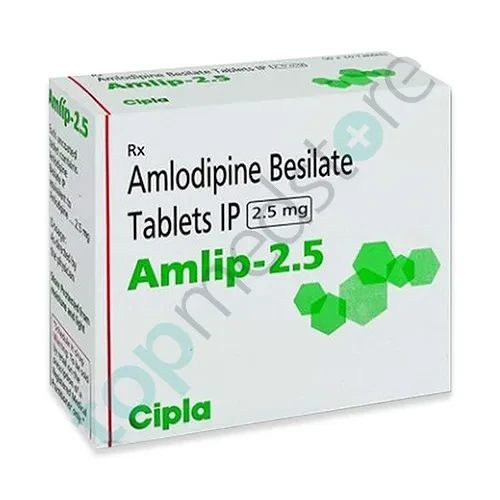
Amlodipine is a prescription medicine used to treat high blood pressure, also called hypertension. Hypertension means the blood pushes too hard against the walls of the blood vessels. Over time, this pressure can damage the heart, kidneys, brain, and blood vessels.
A cardiologist, which means a heart doctor, may prescribe Amlodipine tablets to help control blood pressure and improve heart health. Doctors also use this medicine to treat angina, which is chest pain caused by reduced blood flow to the heart.
Many people with high blood pressure do not notice symptoms in the early stages. Doctors often call hypertension a silent condition because it can slowly damage the body without warning signs. If a person does not control blood pressure, the risk of heart attack, stroke, kidney disease, and heart failure increases. Heart failure means the heart becomes too weak to pump blood properly.
Regular treatment with Amlodipine may help maintain healthy blood pressure levels and reduce the risk of serious heart problems.
Amlodipine belongs to a group of medicines called calcium channel blockers. These medicines relax and widen the blood vessels.
When blood vessels become wider, blood flows more easily through the body. This lowers blood pressure and reduces pressure on the heart. Better blood flow also helps the heart receive more oxygen-rich blood.
By improving circulation, Amlodipine tablets may help reduce chest pain and support long-term cardiovascular health. The cardiovascular system means the heart and blood vessels.
Doctors mainly prescribe Amlodipine to treat high blood pressure and angina.
Some doctors may also prescribe Amlodipine tablets for patients with circulation problems or increased cardiovascular risk. Cardiovascular risk means a higher chance of developing heart disease or stroke.
Proper blood pressure control helps protect important organs such as the heart, kidneys, brain, and eyes from long-term damage.
Regular use of Amlodipine may help lower blood pressure, improve blood circulation, and reduce pressure on the heart.
Patients with angina may notice fewer episodes of chest pain because the medicine improves blood flow to the heart muscles.
Better blood pressure control may also lower the risk of stroke, heart attack, kidney damage, and blood vessel problems.
Doctors often recommend healthy lifestyle habits along with treatment. Regular exercise, healthy eating, lower salt intake, stress control, quitting smoking, and maintaining healthy body weight may improve treatment results.
Take Amlodipine exactly as your doctor prescribes. Swallow the tablet with water. You can take it with or without food.
Take Amlodipine tablets at the same time every day. Regular timing helps maintain steady medicine levels in the body.
Do not stop taking the medicine suddenly without medical advice. Blood pressure may rise again if treatment stops suddenly.
Your doctor may regularly monitor your blood pressure and overall heart health during treatment.
Like all medicines, Amlodipine may cause side effects in some people. Many side effects stay mild and improve with time.
Common side effects may include dizziness, headache, tiredness, flushing, swelling in the feet or ankles, stomach pain, or sleepiness.
Some patients may develop mild swelling in the feet or ankles because the medicine can cause fluid buildup.
Serious side effects happen less often but may include severe chest pain, allergic reaction, breathing difficulty, or fainting. Contact a doctor immediately if these symptoms appear.
Before taking Amlodipine tablets, tell your doctor about your medical history. Patients with liver disease, heart disease, or very low blood pressure may need careful monitoring.
Some patients may feel dizzy during the beginning of treatment because blood pressure starts lowering. Move slowly from sitting or lying positions to reduce dizziness.
Avoid alcohol while taking Amlodipine because alcohol may increase dizziness and low blood pressure effects.
Pregnant or breastfeeding women should consult a healthcare professional before using this medicine.
Amlodipine may interact with medicines used for blood pressure, heart disease, infections, or cholesterol problems.
Drug interactions happen when one medicine changes the effect of another medicine. This may increase side effects or reduce treatment effectiveness.
Always tell your doctor about all medicines, supplements, and herbal products before starting Amlodipine tablets.
Store Amlodipine tablets at room temperature in a cool and dry place. Protect the medicine from heat, moisture, and direct sunlight.
Keep the tablets away from children and pets. Do not use expired medicine.
This content provides educational information only. It does not replace medical advice, diagnosis, or treatment. Always consult a cardiologist, which means a heart doctor, or another healthcare professional before starting or stopping Amlodipine tablets.
| Product name | Amlodipine |
|---|---|
| Category | Blood Pressure Medicines |
| Shipping offer | Free shipping on orders of $110.00 or more |
$50.40 – $129.92
$75.00 – $192.00
$35.28 – $89.60
$18.30 – $46.80