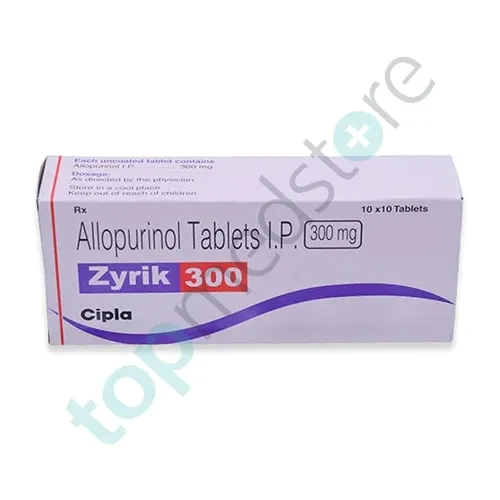
Allopurinol 100mg Tablet
$45.00 – $148.00
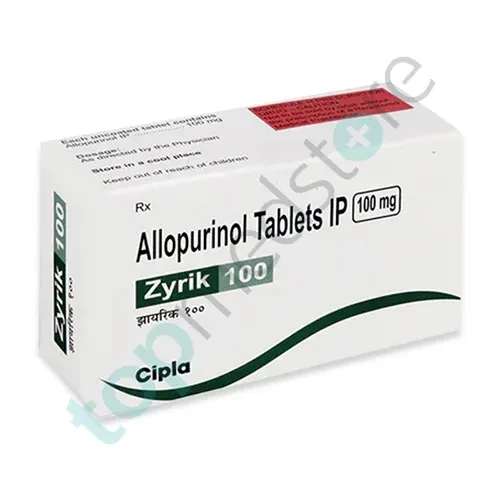
Allopurinol is a prescription medicine used to control high uric acid levels in the body. It is most commonly used to treat gout, a painful condition caused by uric acid crystal buildup in joints. These crystals can cause sudden swelling, redness, and severe pain, often in the big toe, ankles, or knees.
Uric acid is a natural waste product made when the body breaks down substances called purines. Purines are found in many foods and also made inside the body. Normally, uric acid is removed through urine. When the body makes too much uric acid or does not remove it properly, levels become high.
Allopurinol tablets help reduce uric acid production and prevent crystal formation. Doctors prescribe this medicine for long-term control, not for quick pain relief during an attack.
Many patients use Allopurinol for gout management to reduce the number of future gout attacks and protect joints from long-term damage.
This medicine is also used in some cases of kidney stones and certain conditions related to cancer treatment where uric acid levels rise quickly.
Allopurinol works by lowering the production of uric acid inside the body.
It blocks an enzyme called xanthine oxidase. This enzyme is responsible for converting purines into uric acid. When this enzyme is blocked, the body produces less uric acid.
As uric acid levels decrease, fewer crystals form in the joints, kidneys, and tissues. This helps reduce inflammation and prevents painful gout attacks over time.
Allopurinol medicine does not remove existing crystals quickly, but it helps prevent new crystals from forming. Over time, existing crystals may slowly dissolve as uric acid levels stay controlled.
Doctors may prescribe Allopurinol tablets as part of long-term treatment to protect joints and improve mobility. Mobility means the ability to move joints easily without pain.
The medicine also helps reduce uric acid buildup in the kidneys, which can lower the risk of kidney stones caused by uric acid.
Doctors prescribe Allopurinol mainly for conditions linked to high uric acid levels.
The most common use is for gout treatment and prevention. Gout causes sudden, severe joint pain due to uric acid crystals.
Many patients use Allopurinol tablets for long-term gout control to reduce flare-ups and joint damage.
Doctors also prescribe the medicine for hyperuricemia, which means high uric acid levels in the blood. High uric acid may not always cause symptoms but can still harm joints and kidneys over time.
Common uses of Allopurinol medicine include:
In cancer treatments like chemotherapy, the body may break down many cells quickly, leading to a sudden rise in uric acid. This condition is called tumor lysis syndrome. Allopurinol for uric acid control helps prevent complications in such cases.
Doctors often use this medicine as part of long-term metabolic and kidney protection therapy.
Allopurinol works by reducing the body’s production of uric acid.
Inside the body, purines from food and natural cell breakdown are converted into uric acid. This process is controlled by the enzyme xanthine oxidase.
Allopurinol tablets block this enzyme. When the enzyme is blocked, less uric acid is formed.
Lower uric acid levels mean fewer crystals form in joints and tissues. This helps reduce inflammation and prevents painful gout attacks.
Over time, consistent use of Allopurinol medicine helps maintain stable uric acid levels in the blood. Stable levels reduce the risk of joint damage and kidney complications.
The medicine is taken daily for long-term control. It does not work immediately for pain relief, so it is not used during sudden gout attacks.
Doctors may adjust the dose based on uric acid blood test results and kidney function.
Like all medicines, Allopurinol may cause side effects in some people. Most side effects are mild, but some can be serious.
Common side effects include nausea, stomach upset, diarrhea, and headache. These usually improve as the body adjusts to the medicine.
Some people may experience skin rash or itching. A mild rash should always be reported to a doctor because it may sometimes become serious.
Rare but serious side effects include severe skin reactions, liver problems, or allergic reactions. Severe skin reactions may cause blistering, peeling, or widespread redness and need urgent medical care.
Patients with kidney or liver disease should use Allopurinol tablets carefully, as the medicine is processed in the body through these organs.
Doctors may perform regular blood tests to monitor uric acid levels, kidney function, and overall safety during long-term treatment.
It is important not to stop the medicine suddenly without medical advice, as uric acid levels may rise again.
This content is for educational purposes only. It is not a substitute for medical advice, diagnosis, or treatment. Always consult a healthcare provider or rheumatologist before using Allopurinol tablets or changing your gout treatment plan.
| Product name | Allopurinol |
|---|---|
| Category | Pain & Muscle Health |
| Shipping offer | Free shipping on orders of $110.00 or more |
$45.00 – $148.00
$55.00 – $180.00
$36.00 – $117.60
$32.40 – $105.60