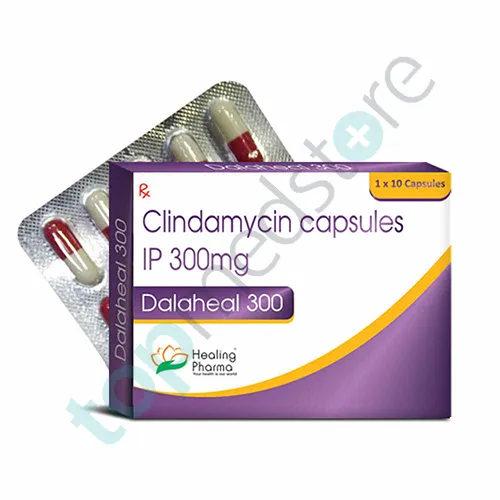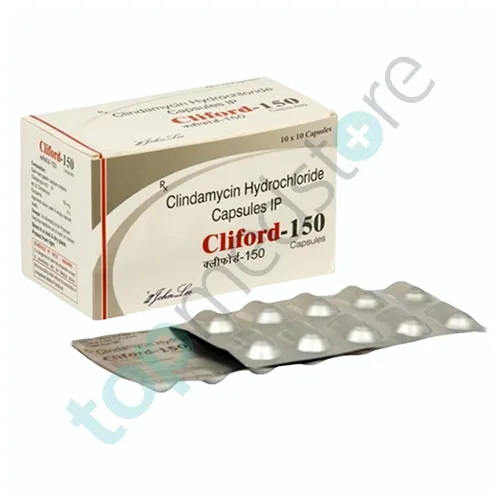
Clindamycin 150mg Capsules
$69.60 – $227.20
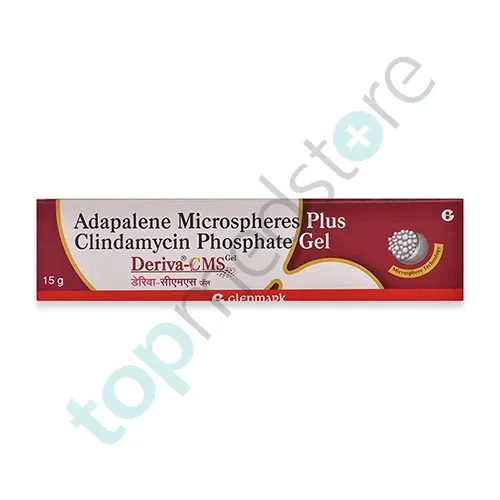
Adapalene–Clindamycin is a prescription medicine used for the treatment of acne (pimples). It is commonly prescribed by a dermatologist for acne on the face, chest, and back when pimples are red, inflamed, and repeatedly forming.
This medicine is a fixed combination gel or topical preparation that contains two active ingredients: Adapalene and Clindamycin. A fixed combination means two medicines are joined together in one formula to improve results and make treatment easier.
Adapalene helps unclog pores and improve skin cell renewal. Clindamycin is an antibiotic medicine that reduces acne-causing bacteria on the skin.
Adapalene–Clindamycin gel is applied directly on the skin and is not taken by mouth.
Acne develops when skin pores become blocked with excess oil, dead skin cells, and bacteria. This blockage leads to blackheads, whiteheads, and inflamed pimples.
This combination medicine works on both blockage and bacteria at the same time, which makes it more effective for many patients with acne-prone skin.
Adapalene–Clindamycin works by targeting two major causes of acne: blocked pores and bacterial infection.
Adapalene works inside the skin by controlling how skin cells grow and shed. In acne, dead skin cells do not shed properly and get trapped inside pores. This leads to blockage and formation of pimples. Adapalene helps the skin shed these cells in a normal way, so pores stay open and clean.
At the same time, Clindamycin works as an antibiotic on the skin surface and inside hair follicles. It reduces the growth of Cutibacterium acnes (C. acnes), a bacteria that plays a major role in acne formation. When bacterial growth reduces, inflammation, redness, and swelling also decrease.
Inflammation means redness, swelling, heat, and irritation in the skin caused by infection or blockage.
Because of this dual action, Adapalene–Clindamycin gel helps reduce existing pimples and also prevents new acne from forming.
With regular use, the skin becomes less oily, smoother, and more even in texture.
Doctors prescribe Adapalene–Clindamycin gel mainly for acne treatment, especially when acne is inflamed or persistent.
It is commonly used for acne vulgaris, which is the medical term for common acne that affects teenagers and adults.
Common uses of Adapalene–Clindamycin medicine include:
Pustules are pimples filled with pus, while papules are small red bumps without pus. Both can cause pain and discomfort when acne becomes severe.
Adapalene–Clindamycin gel is often used when acne is caused by both clogged pores and bacterial infection together. Dermatologists may also include it in a full skincare plan along with cleansers, moisturizers, and sun protection.
This medicine is not a quick cure. It works gradually and requires consistent daily use for visible improvement in skin condition.
Adapalene–Clindamycin works through a dual mechanism that treats acne from two different angles at the same time.
Adapalene increases skin cell turnover. This means it helps the skin remove dead cells faster and in a more organized way. When dead cells are not trapped inside pores, blockage reduces and new pimples are less likely to form.
Clindamycin works by stopping the growth of acne-causing bacteria. It reduces bacterial activity inside pores and hair follicles, which lowers infection and inflammation.
When used together, Adapalene–Clindamycin gel reduces clogged pores, controls bacteria, and decreases inflammation.
This leads to fewer pimples, less redness, and smoother skin over time.
Dermatologists usually recommend applying a thin layer on clean, dry skin, often once daily at night. Regular use is important because acne improves slowly with skin cycle changes.
Like all medicines, Adapalene–Clindamycin may cause side effects, especially during the first few weeks of use.
Common side effects include skin dryness, redness, peeling, and mild irritation. These happen because the skin is adjusting to faster cell turnover and active acne treatment.
Some people may feel a mild burning or stinging sensation after applying Adapalene–Clindamycin gel. This usually reduces with continued use.
In the first few weeks, acne may temporarily appear worse before improving. This is known as a “purging phase,” where clogged pores come to the surface before clearing completely.
Rarely, Clindamycin may cause allergic reactions or strong skin sensitivity. In such cases, the medicine should be stopped and a dermatologist should be consulted.
Overuse or applying a thick layer does not improve results and may increase irritation.
Patients should avoid strong sun exposure and should use sunscreen regularly because the skin becomes more sensitive during treatment.
This content is for educational purposes only. It is not a substitute for professional medical advice, diagnosis, or treatment. Always consult a dermatologist or qualified healthcare provider before using Adapalene–Clindamycin gel for acne treatment or making changes to your skincare routine.
| Product name | Adapalene-Clindamycin |
|---|---|
| Category | Acne Treatments |
| Shipping offer | Free shipping on orders of $110.00 or more |
$69.60 – $227.20
$37.00 – $120.80
$118.95 – $389.28
$65.00 – $212.00