
Abiraterone Acetate 250mg
$686.40 – $2246.40
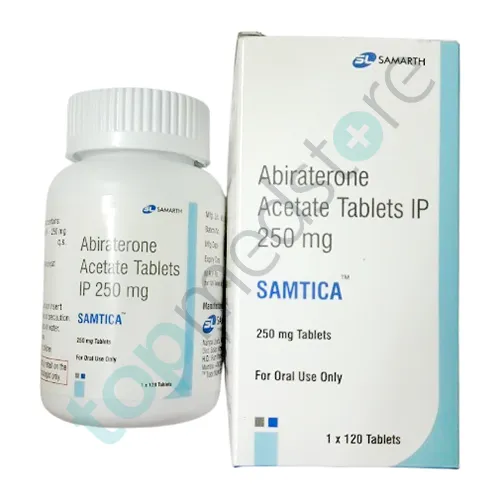
Abiraterone Acetate is a prescription medicine used in the treatment of advanced prostate cancer. A urologist or oncologist usually prescribes this medicine when prostate cancer has spread to other parts of the body or is not responding well to initial therapy.
Prostate cancer is a condition where cells in the prostate gland grow in an uncontrolled way. The prostate is a small gland in men that helps produce fluid for semen. In advanced stages, cancer cells may spread to bones or other organs, causing pain, weakness, and other complications.
Abiraterone Acetate is not a chemotherapy drug in the traditional sense. It is a hormone therapy medicine, also called an androgen biosynthesis inhibitor. It works by reducing the production of male hormones that can fuel prostate cancer growth.
Doctors often prescribe it along with other supportive medicines such as steroids (like prednisone) to help manage side effects and improve treatment balance.
Abiraterone Acetate works by lowering the level of androgens, which are male hormones such as testosterone. In many prostate cancer cases, these hormones help cancer cells grow and spread.
The medicine blocks an important enzyme in the body called CYP17, which is needed to produce androgens. This enzyme is found in the testes, adrenal glands, and even within prostate cancer cells.
When this enzyme is blocked, the body produces much less testosterone and other related hormones. With lower hormone levels, prostate cancer cells receive less growth stimulation, which helps slow down disease progression.
Because it strongly reduces hormone production, doctors carefully monitor patients during treatment. A urologist or oncologist may regularly check hormone levels, liver function, and overall response to therapy.
This medicine helps control symptoms like bone pain, urinary problems, and fatigue in patients with advanced prostate cancer.
The main use of Abiraterone Acetate is the treatment of metastatic prostate cancer, which means cancer that has spread beyond the prostate gland.
It is commonly used in metastatic castration-resistant prostate cancer (mCRPC). This is a stage where cancer continues to grow even when testosterone levels are already very low due to previous treatments.
It is also used in metastatic castration-sensitive prostate cancer (mCSPC) in combination with other therapies. In this stage, cancer still responds to hormone reduction therapy.
Doctors may prescribe it to help reduce cancer-related symptoms such as bone pain, difficulty urinating, and general weakness caused by advanced disease.
A urologist or oncologist may include Abiraterone Acetate as part of a long-term cancer management plan to slow disease progression and improve quality of life.
It is not a cure for prostate cancer, but it helps control the disease and delay its spread in many patients.
Abiraterone Acetate works by blocking the production of male hormones that prostate cancer cells depend on for growth.
The medicine inhibits the CYP17 enzyme, which plays a key role in making testosterone and other androgens. This enzyme is active in the testes, adrenal glands, and tumor tissues.
When CYP17 is blocked, androgen levels drop significantly. Without these hormones, prostate cancer cells receive less growth stimulation and their activity slows down.
This hormonal reduction helps control cancer spread, especially in advanced stages where the disease has moved beyond the prostate.
Because the body may try to compensate for low hormone levels by increasing other hormone signals, doctors often prescribe a low-dose steroid along with Abiraterone Acetate. This helps balance hormone changes and reduce side effects.
A urologist or oncologist closely monitors treatment response using blood tests such as PSA (prostate-specific antigen), which helps track cancer activity.
Regular monitoring is important because hormone changes can affect liver function, blood pressure, and fluid balance.
Like all medicines, Abiraterone Acetate can cause side effects, especially because it changes hormone levels in the body.
Common side effects include swelling in the legs or feet, high blood pressure, fatigue, joint pain, and hot flashes. These occur due to hormonal imbalance and fluid retention.
Some patients may experience low potassium levels in the blood. Potassium is important for heart and muscle function, so low levels may cause weakness or irregular heartbeat.
Liver-related changes can also occur. A urologist or oncologist may monitor liver function tests regularly during treatment.
Less commonly, patients may feel dizziness, nausea, or digestive discomfort.
Rare but serious side effects include severe liver problems, significant fluid buildup, or heart-related complications. Immediate medical attention is needed if symptoms become severe.
Because this medicine affects hormone production strongly, long-term monitoring is essential to ensure safety and effectiveness.
This content is for educational purposes only and does not replace professional medical advice, diagnosis, or treatment. Abiraterone Acetate should only be used under the supervision of a qualified urologist, oncologist, or healthcare professional. Always follow your doctor’s instructions and attend regular monitoring tests for safe cancer treatment and disease control.
| Product name | Abiraterone Acetate |
|---|---|
| Category | Hormone-Related Cancer Treatments |
| Shipping offer | Free shipping on orders of $110.00 or more |
$686.40 – $2246.40
$36.30 – $108.90